
Personal Libraries at the Russian State Library
To mark the centenary of the RSL’s Department of Storage of Main Collections, we have prepared a series of stories about its history, the people involved, and its secrets. Today, we explore the personal collections housed within the library’s main holdings.
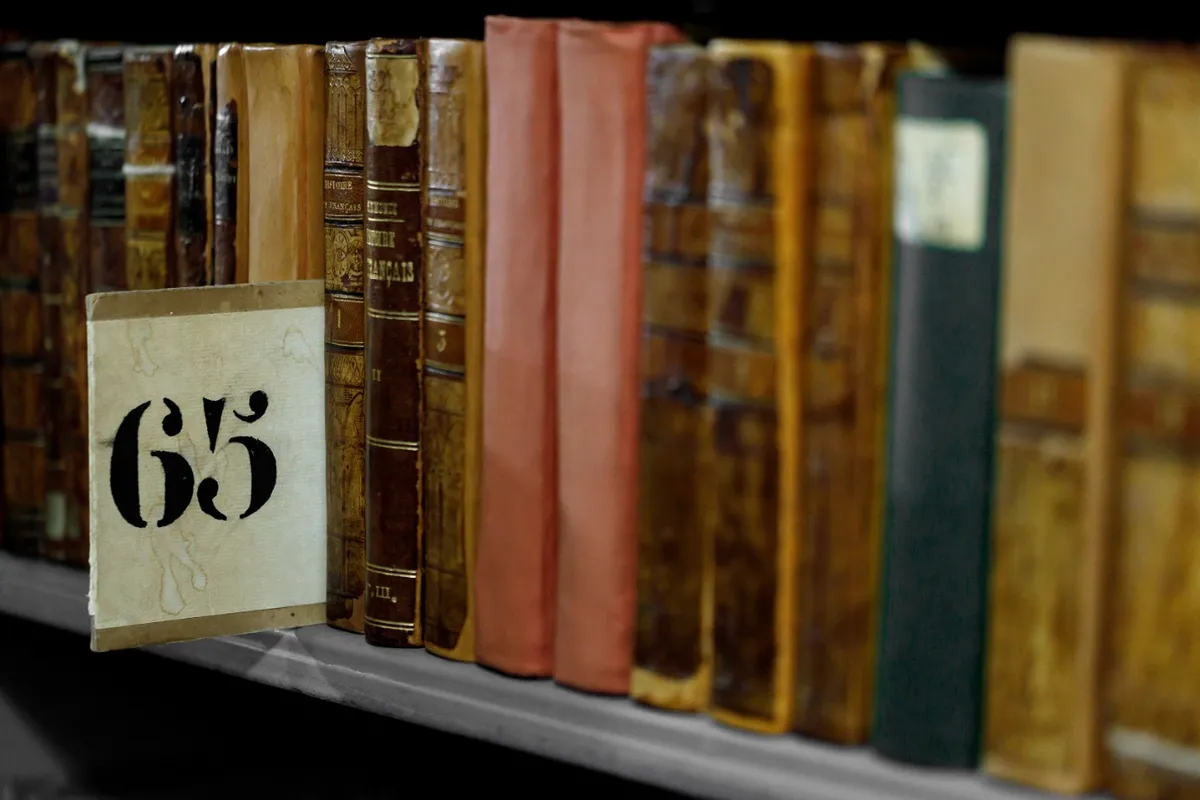
Pyotr Yakovlevich Chaadaev’s book collection at the Russian State Library
Photo: Maria Govtvan, RSL
Personal collections usually come to the Russian State Library in one of three ways: through donation, purchase, or nationalisation. Regardless of how they arrive, our mission is to preserve the memory of their owners and to show that these books are living testaments to their era and to human interests — not merely «inventory items» sitting on library shelves.
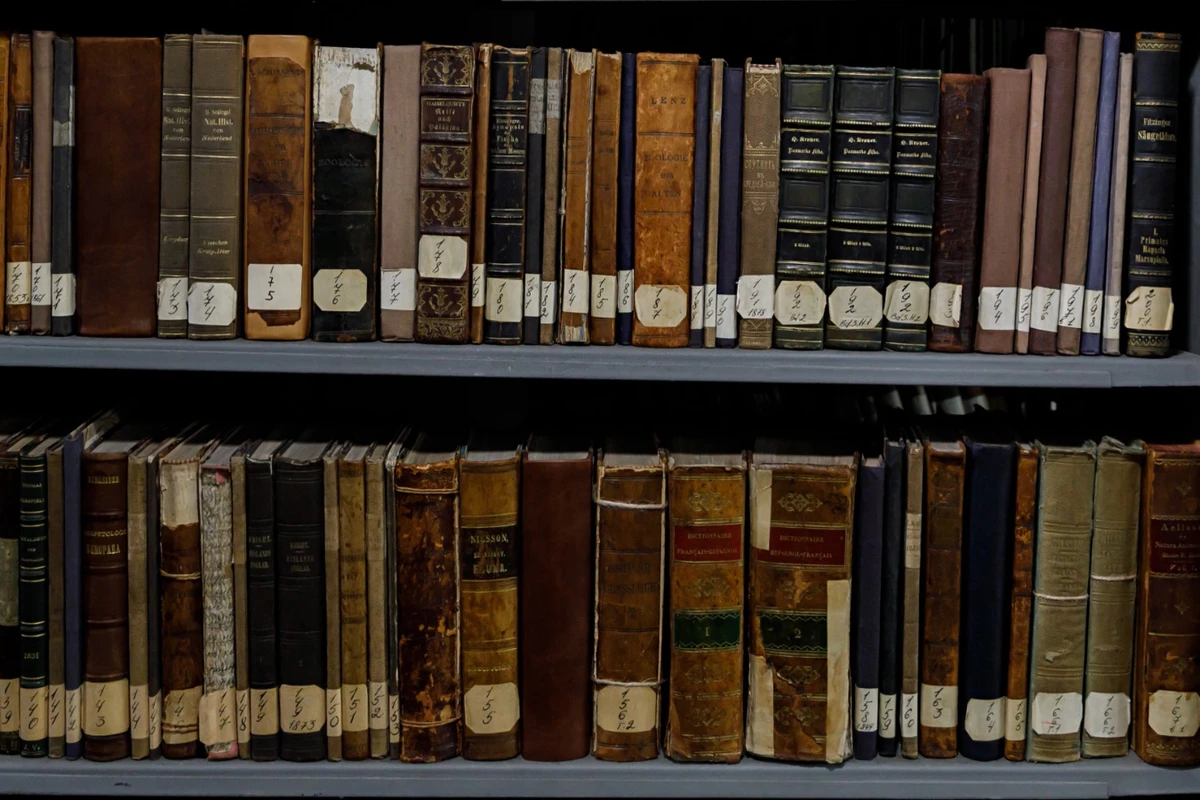
The main collection houses approximately 200 personal libraries. Today, we present twelve remarkable collections. Many of the books in them have not yet been added to the Electronic Catalogue. If a particular edition catches your eye, however, you can order it using the shelf code and title given in the text; simply contact a consultant, a member of staff in the Library’s Reference and Bibliography Department, or the Virtual Reference Service.
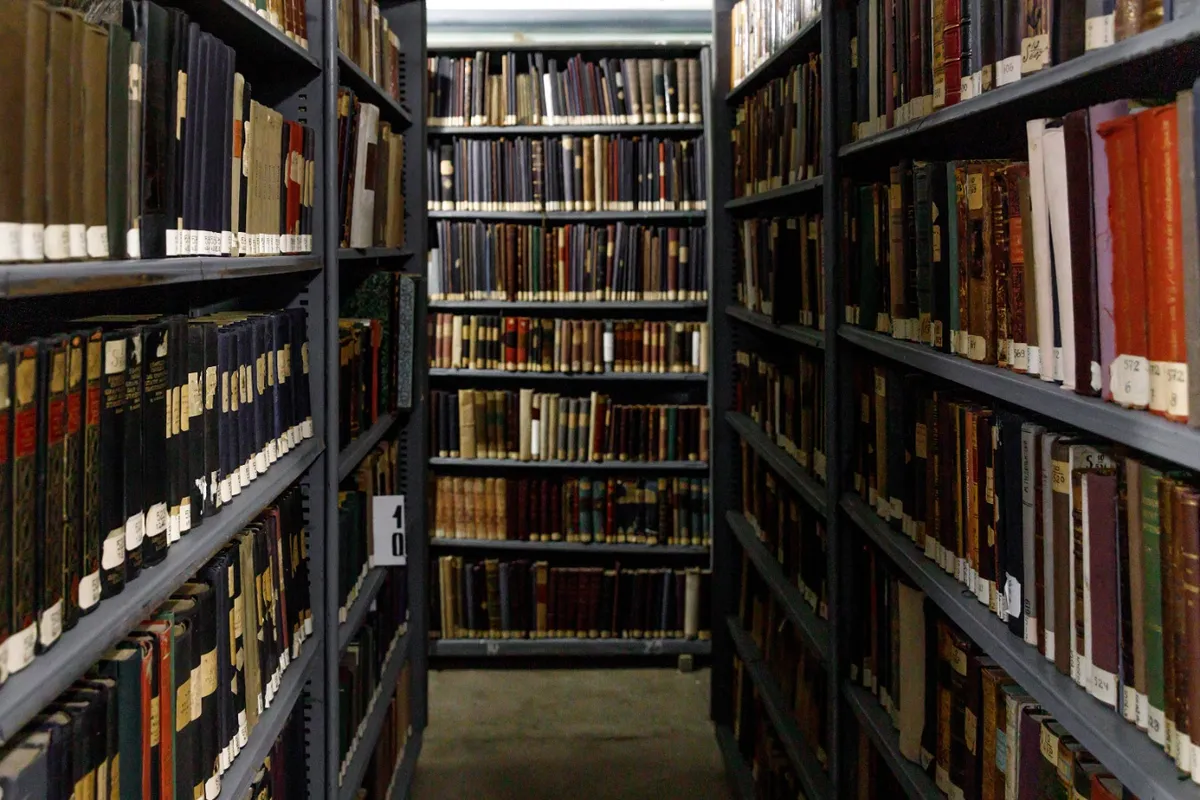
The Vladimir Odoevsky Collection at the Russian State Library
Photo: Maria Govtvan, RSL
Donations
Since the founding of the Rumyantsev Museum, the library’s holdings have been enriched by donations: owners or their heirs have transferred entire book collections to the library. In the Lenin Library, such collections are often kept together as distinct, cohesive units. Each donation presents an opportunity for research: staff catalogue the books, record ownership marks — such as bookplates and autographs — and trace the provenance of individual copies. Each collection gives a clear insight into its owner’s personality and interests.
The Vladimir Odoevsky Collection
Prince Vladimir Fedorovich Odoevsky (1804−1869) — a senator, writer, musicologist and thinker — was the last director of the Rumyantsev Museum in St Petersburg and one of the foremost bibliophiles of the nineteenth century. A man of diverse interests, he wrote philosophical tales and musicological articles while also pursuing interests in chemistry and pedagogy. The library he built up over a lifetime came to reflect both his personality and the full range of his interests. After his death, his widow, Olga Stepanovna, donated his personal collection to the Rumyantsev Museum.
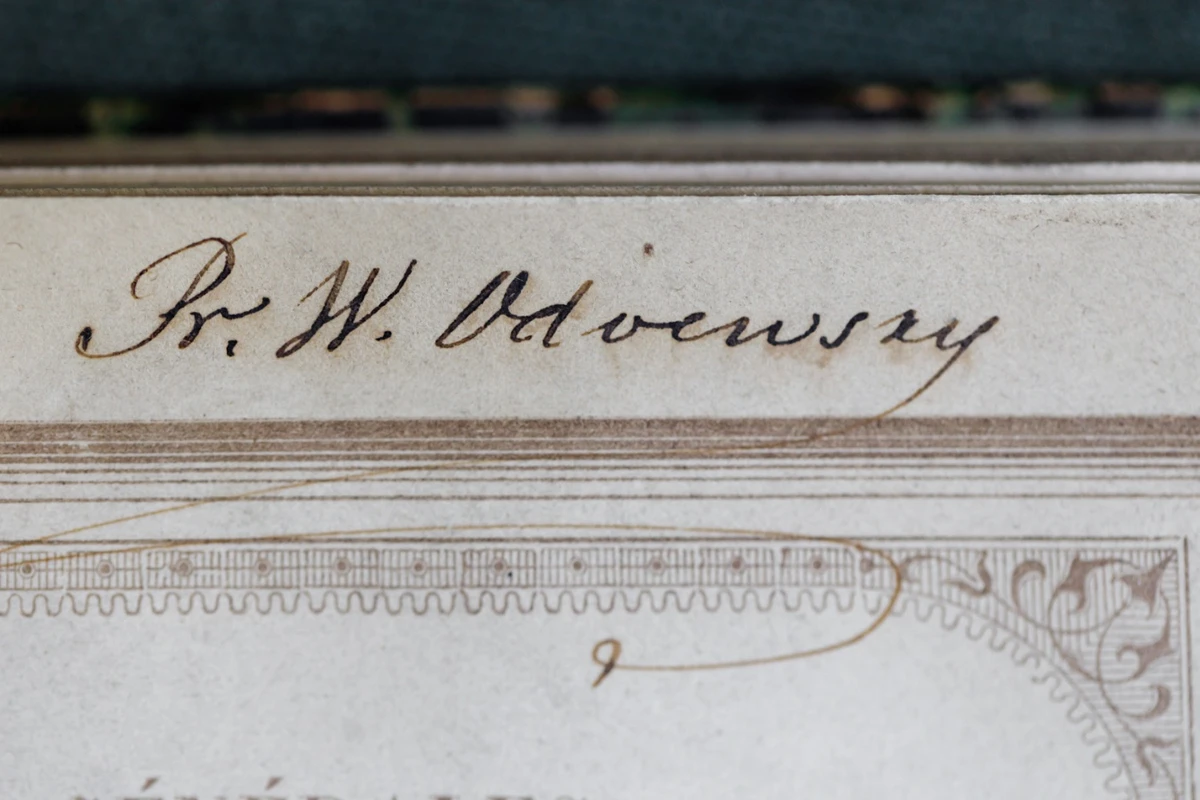
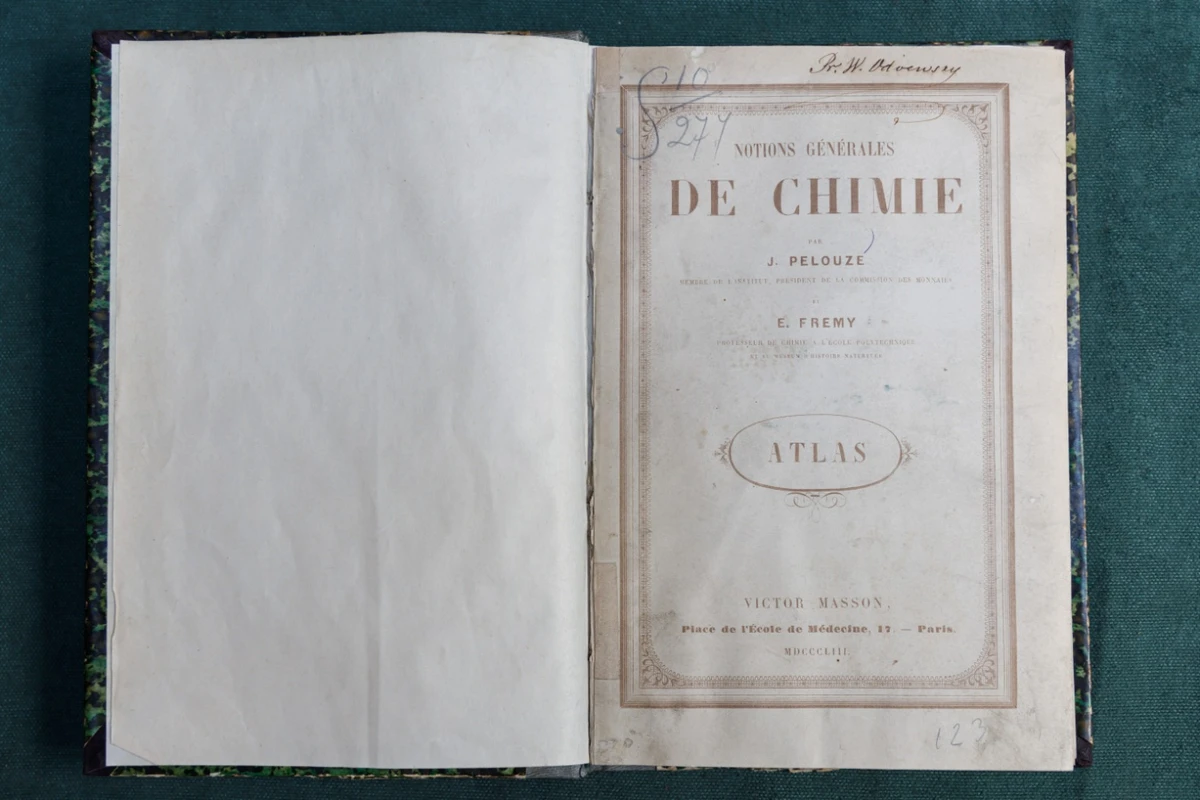
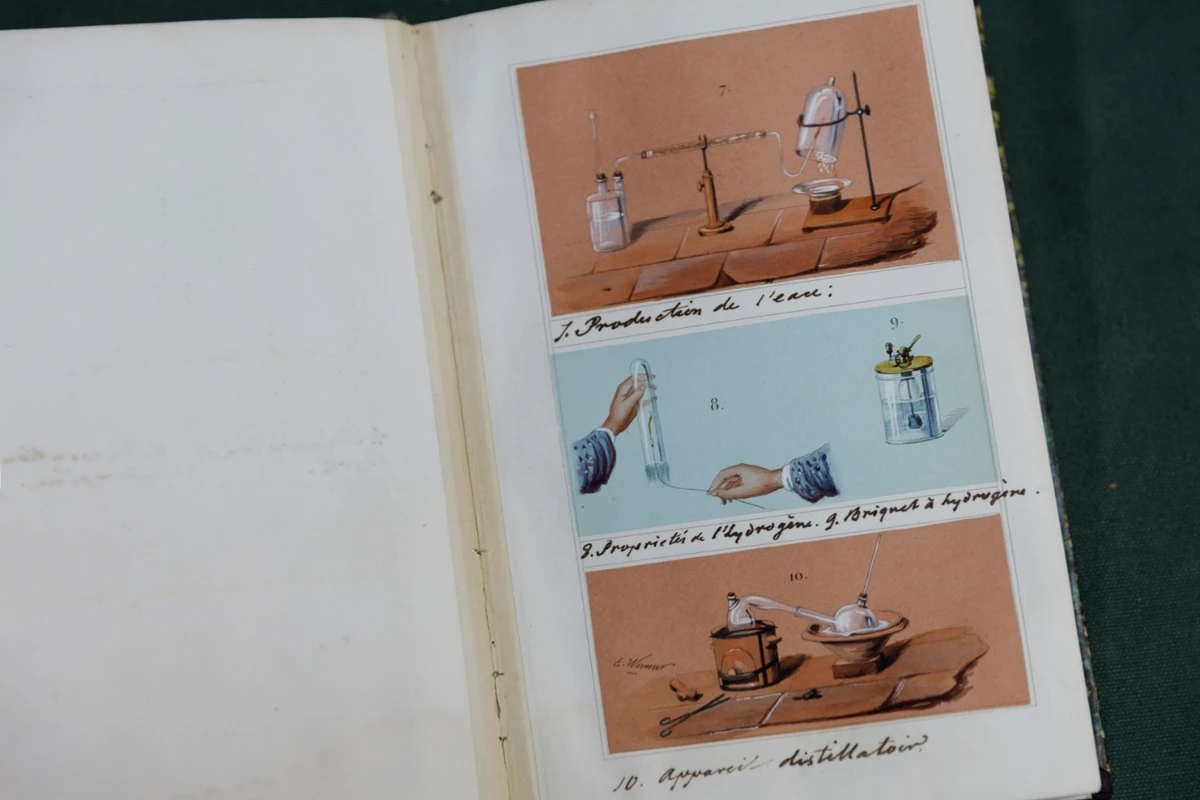
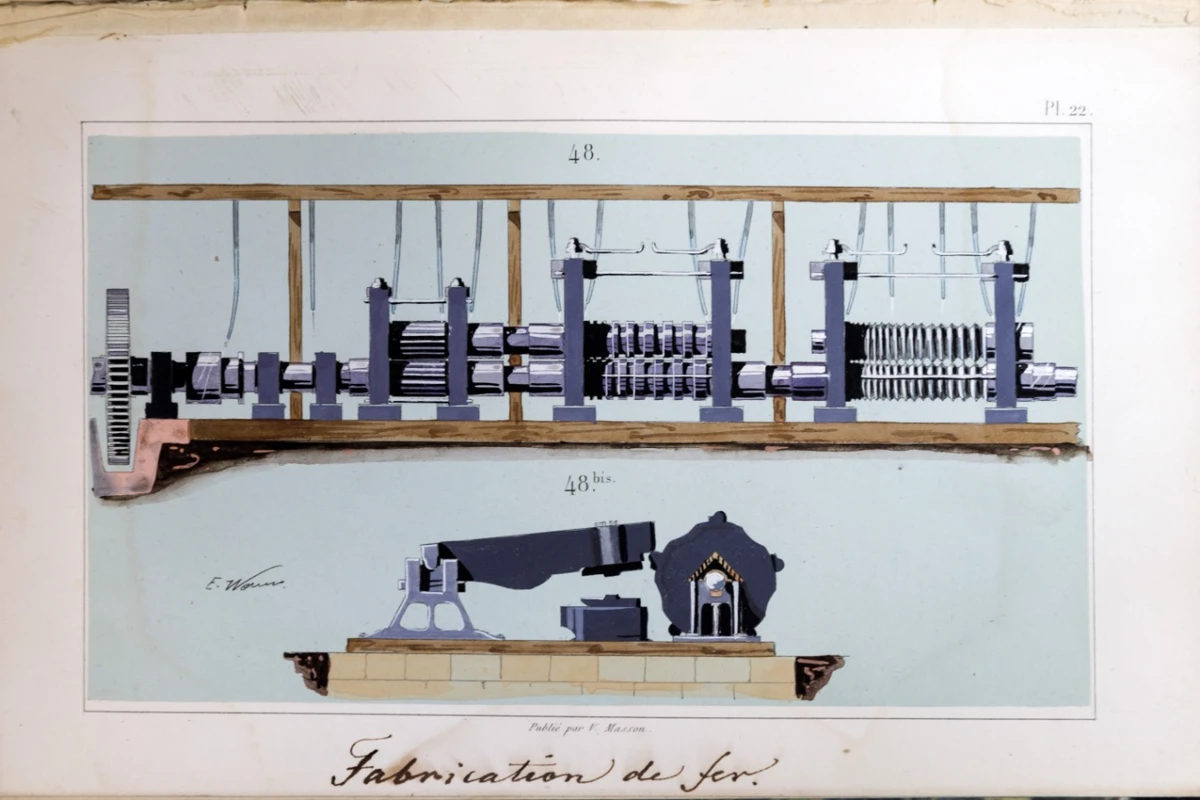
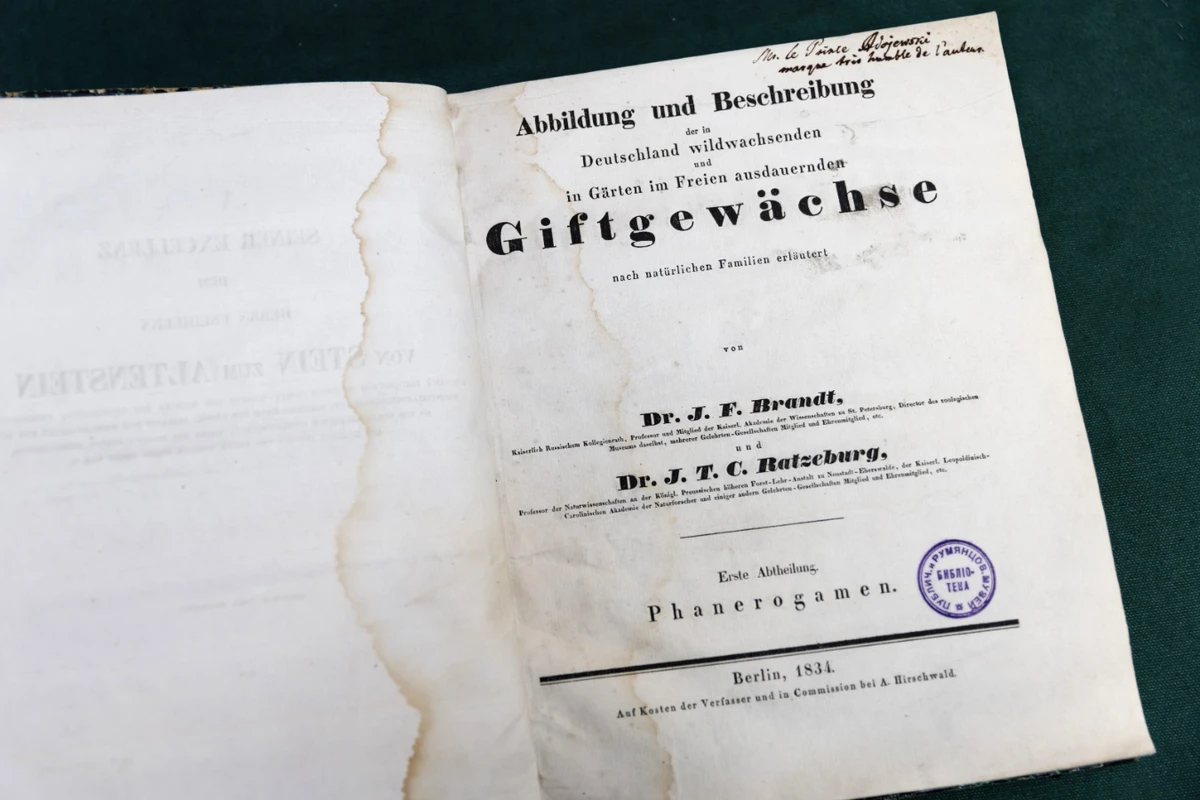
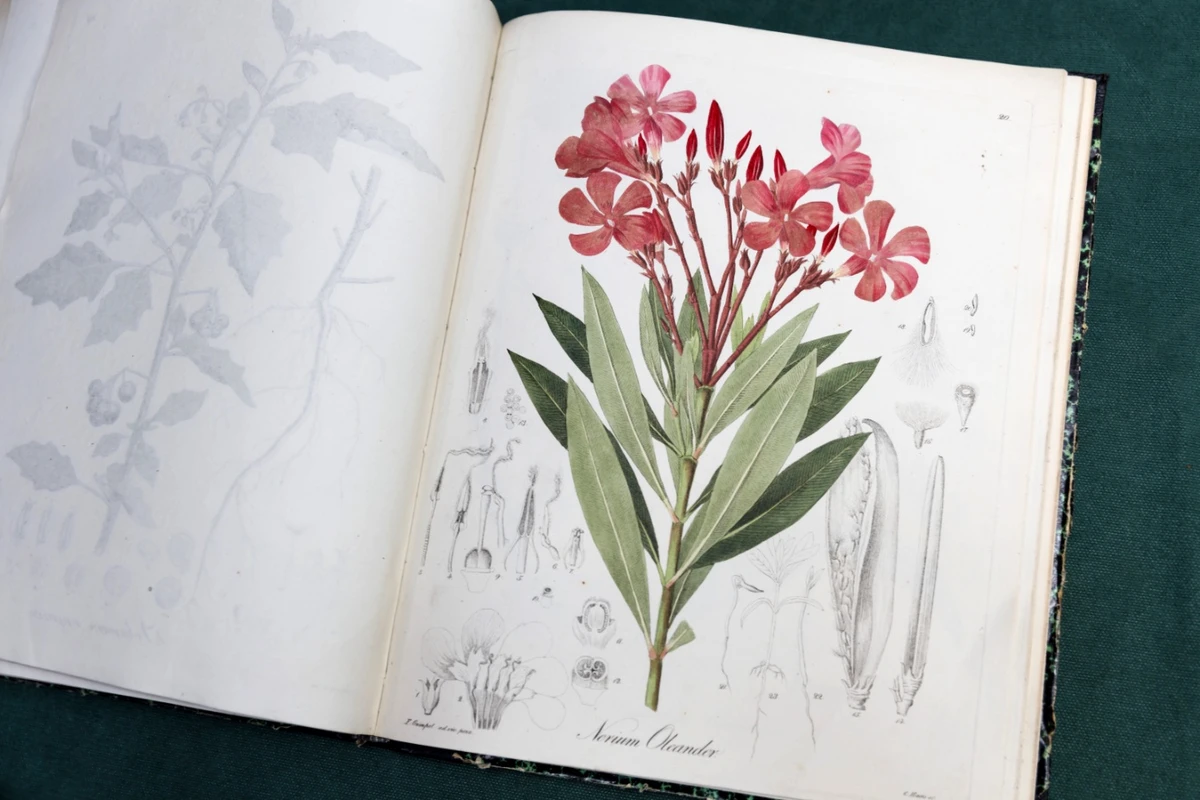
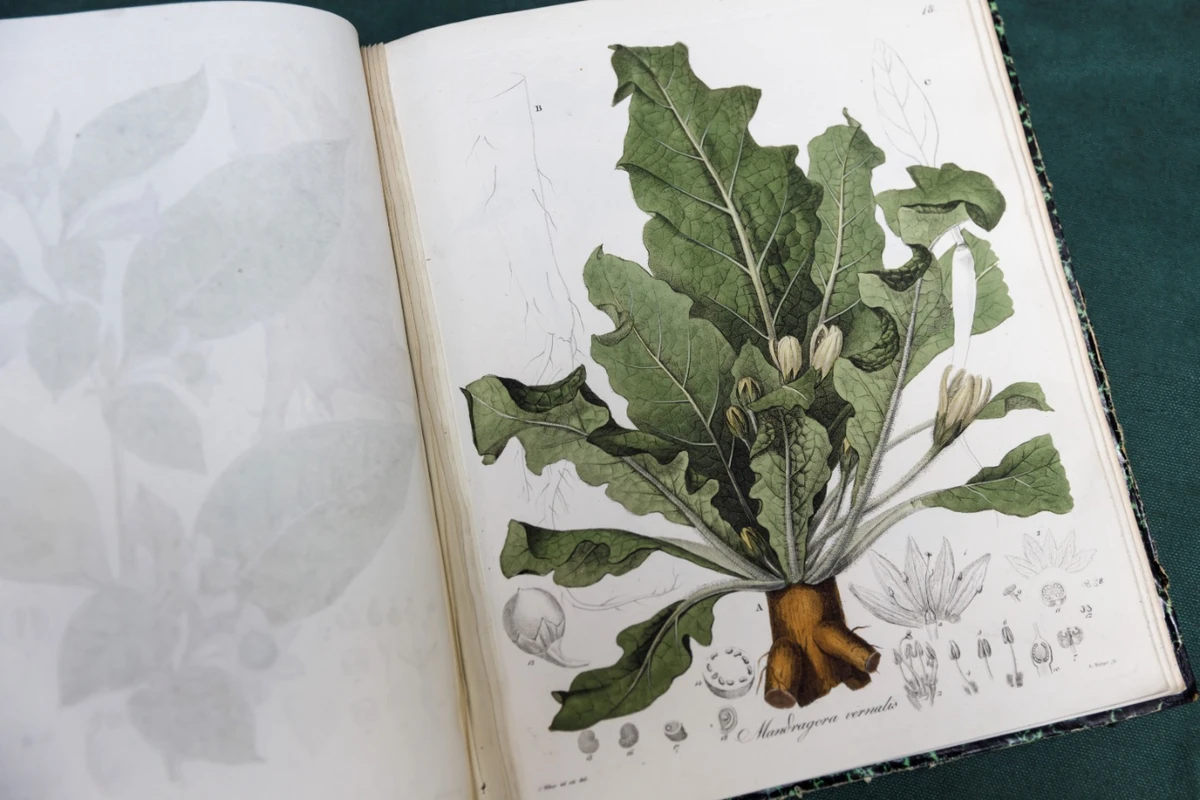
Odoevsky’s collection comprises approximately 6,000 volumes dating from the late sixteenth to the mid‑nineteenth century. It includes historical works, philosophical treatises, books on alchemy, musical scores, and theological and mystical texts. Many volumes contain his handwritten marginalia. His name appears on many title pages — in a chemistry atlas by Jules Pelouze, for instance, he even annotated the illustrations himself. A botanical atlas entitled Illustration and Description of the Poisonous Plants of Germany… bearing a presentation inscription from the author, contains vivid botanical illustrations.
Odoevsky’s library offers a fascinating glimpse into how a nineteenth‑century man could combine literature, philosophy and experimental science. The collection is not merely preserved but also studied; a catalogue of its holdings was published in 1988.
The Mikhail Vielgorsky Collection
Count Mikhail Yuryevich Vielgorsky (1788−1856) was a renowned patron of the arts who served in the Ministry of Internal Affairs; historically, however, he is best remembered as a man who brought together musicians, scholars and writers.
In an article by the Head Curator, Natalia Kopylova, we read:
The finest monument to Mikhail Yuryevich Vielgorsky is his vast library—a collection he assembled according to his own interests, reflecting the tastes and predilections of a truly multifaceted individual. His true passion lay in dictionaries and foreign‑language textbooks; he read and wrote in five languages and studied Greek and Hebrew. His wide‑ranging interests encompassed history and philosophy, geography, biology, technology, commerce and banking, memoirs and biographies of famous figures, and the works of Ovid, Virgil and Homer. The collection also includes anthologies of anecdotes, rules for billiards, a guide to preserving vegetables, recipes, and books on vocal hygiene and eye diseases…
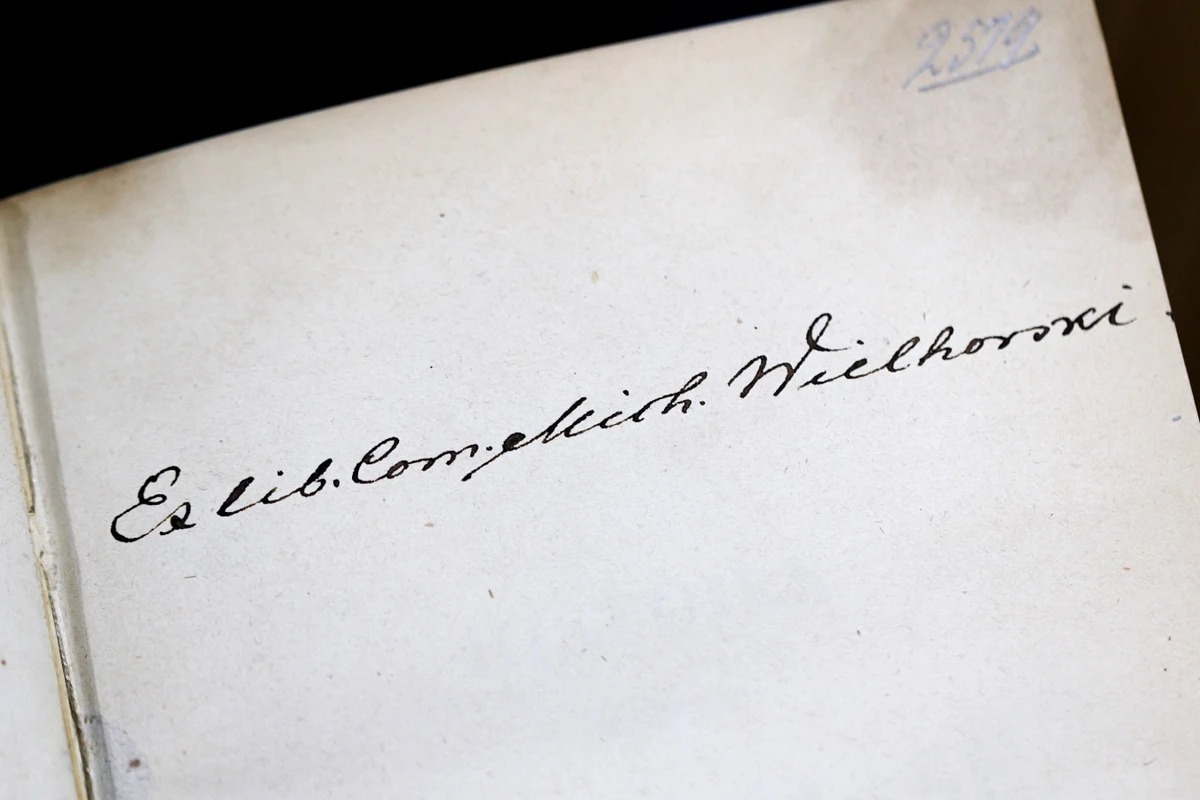
Count Vielgorsky’s eldest daughter, Apollinaria Mikhailovna Venevitinova, donated the collection to the library in 1866. Many of the books in the collection retain marks of ownership—for example, the inscription «Ex libris com. Mich. Wielhorskii», indicating that the books belonged to the Count.
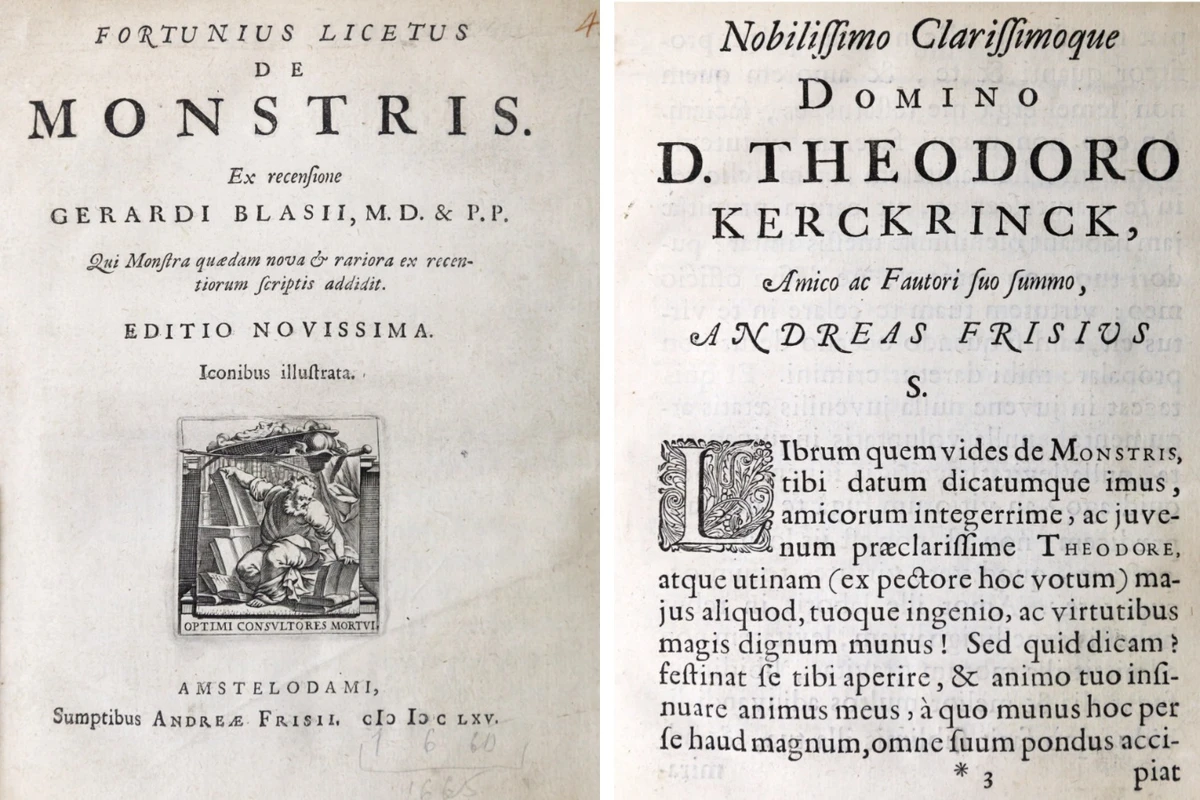
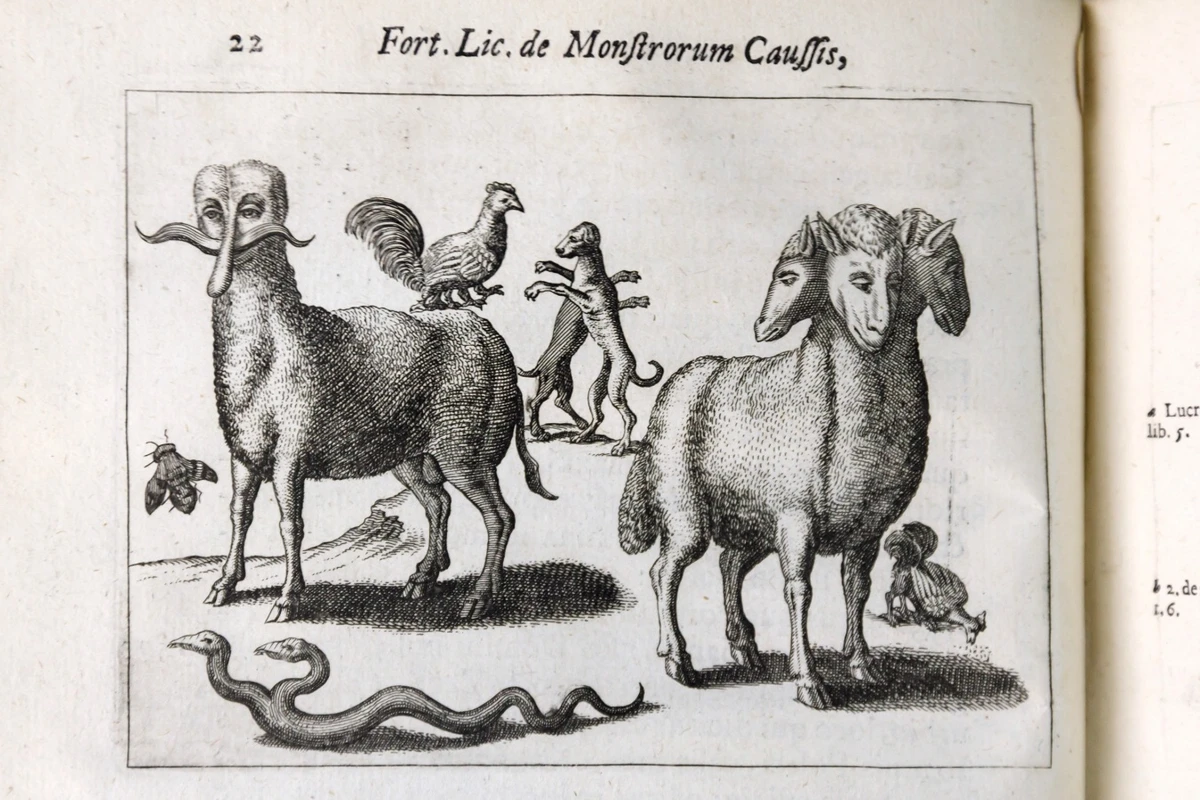
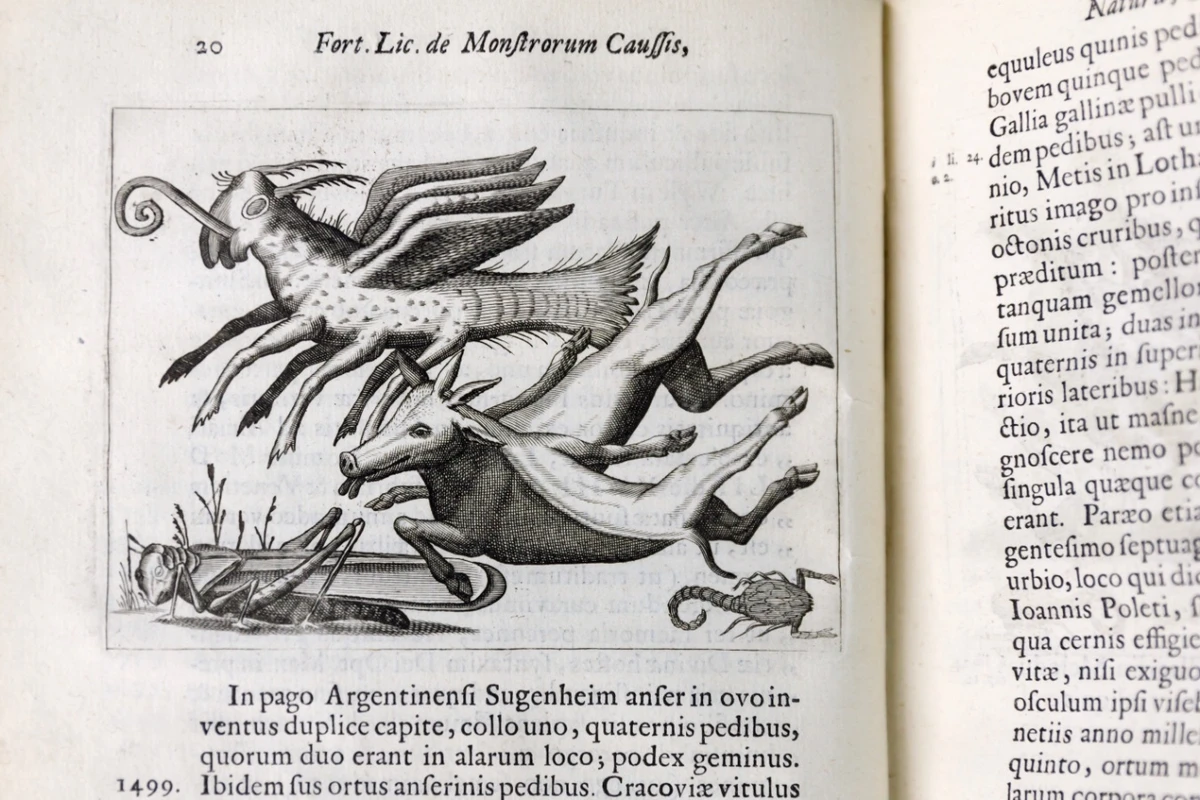
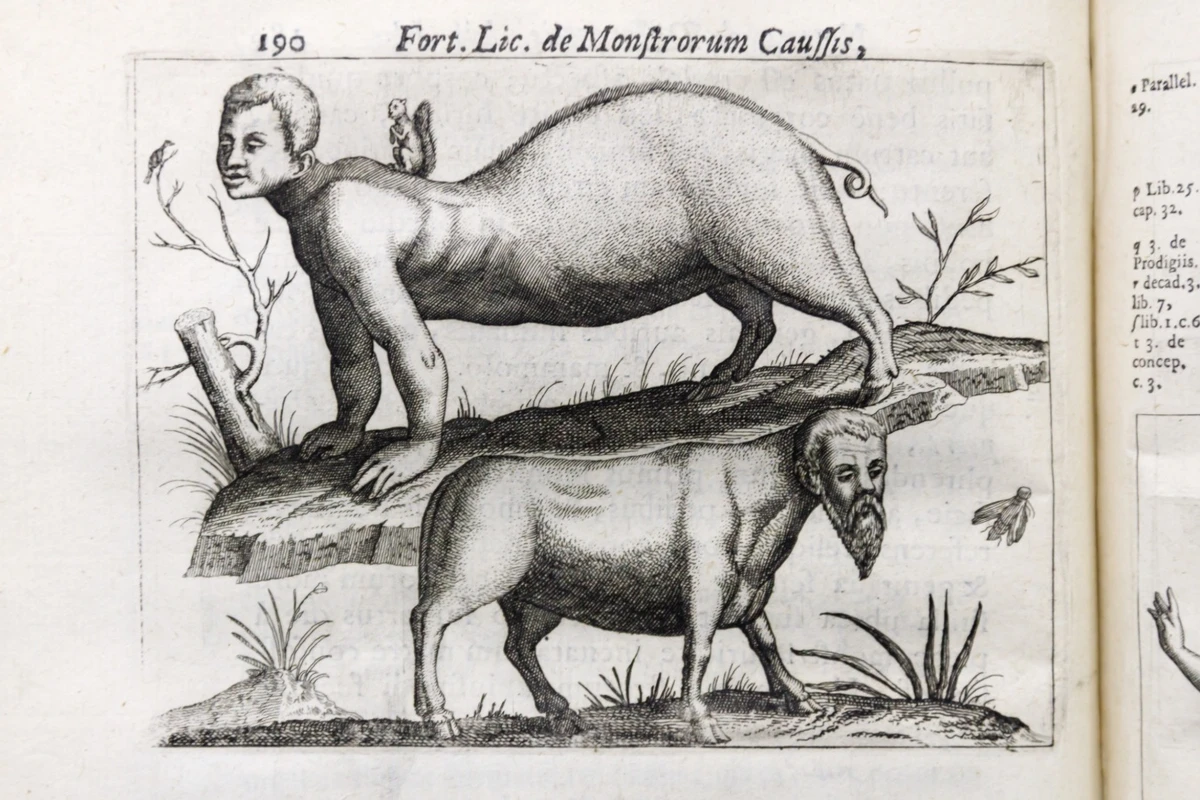
Three publications in Vielgorsky’s collection are particularly noteworthy, demonstrating the breadth of his tastes. The first is Fortunio Liceti’s treatise «De monstris», published in 1665. In this book, anatomical pathologies of humans and animals sit alongside depictions of mythological creatures. Liceti’s illustrations were so popular that they were used in curiosity shows to attract audiences. The author himself was regarded as one of the leading experts on monsters, and his book became a kind of «encyclopaedia of the unusual».
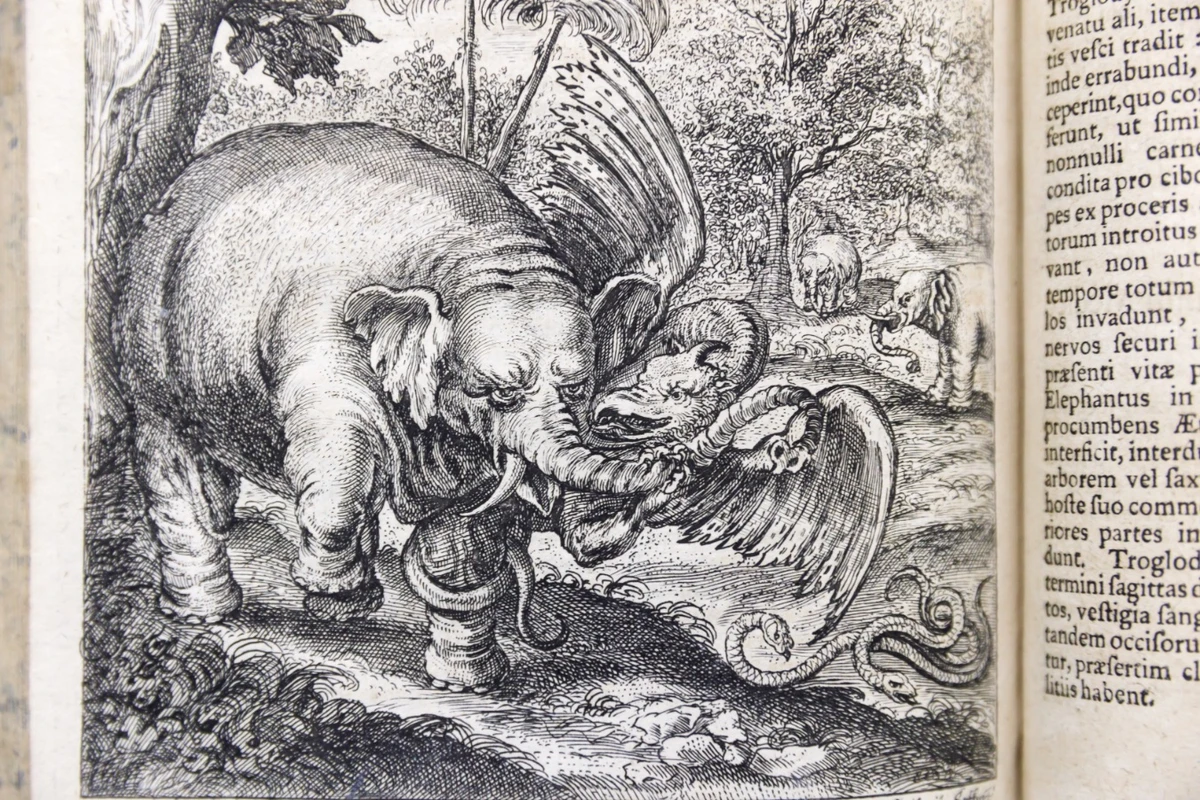
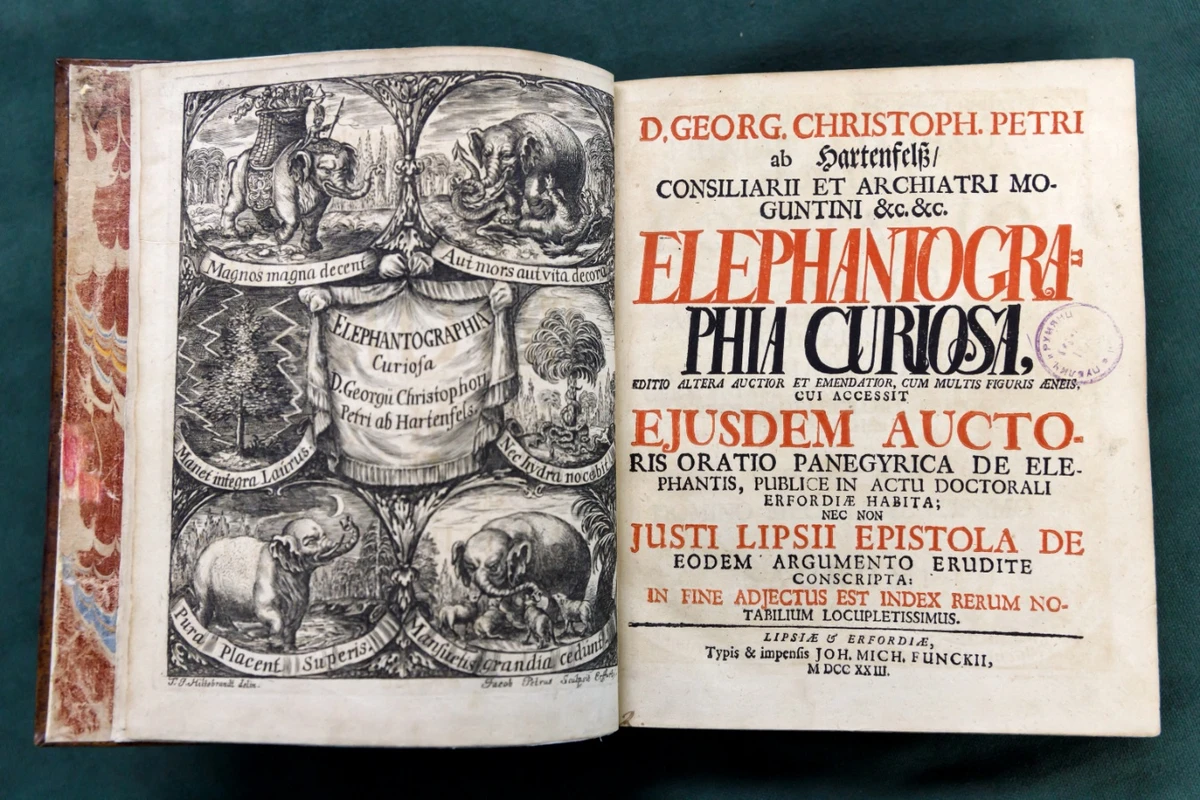
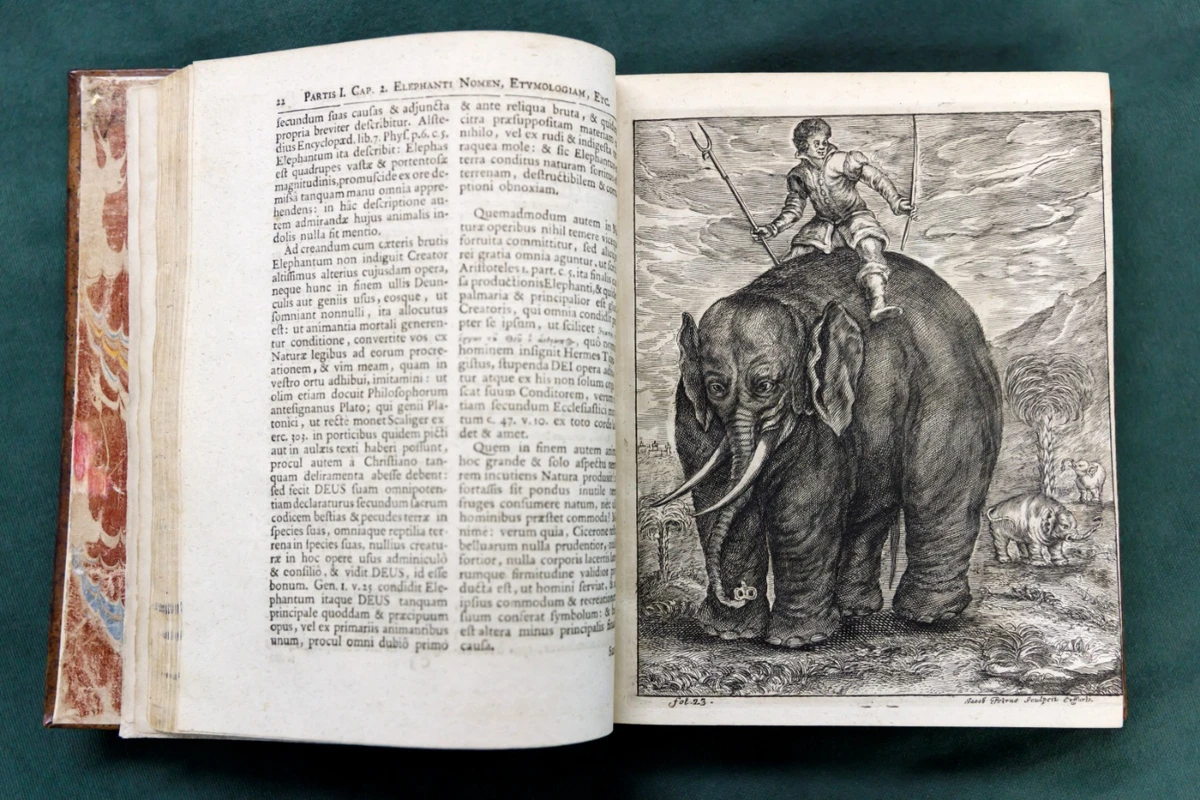
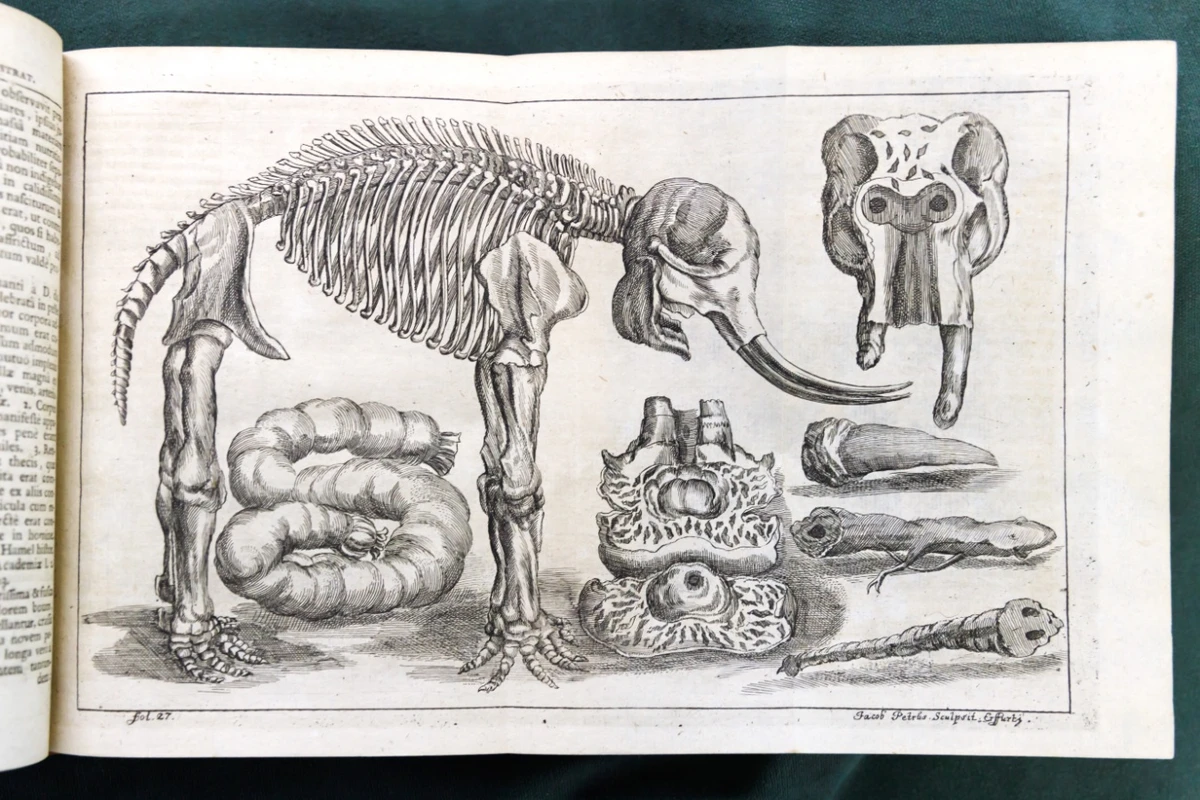
The second rarity is «Elephantographia curiosa» (The Curious Elephantography) by Georg Christoph Petri von Hartenfels. This first illustrated monograph on elephants, written in Latin and published in 1723, contains the knowledge available at the time about the anatomy of these animals, their species, and their use in hunting and warfare. The engravings in this book are remarkable works of art.
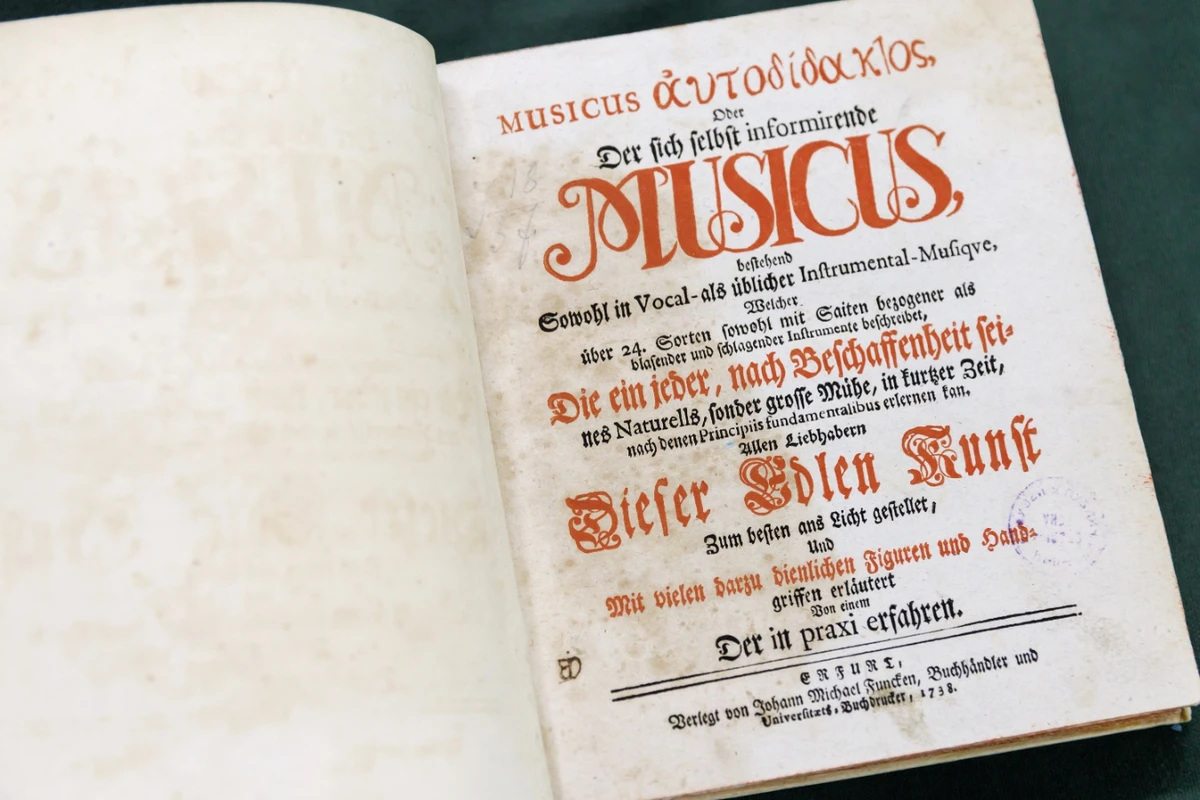
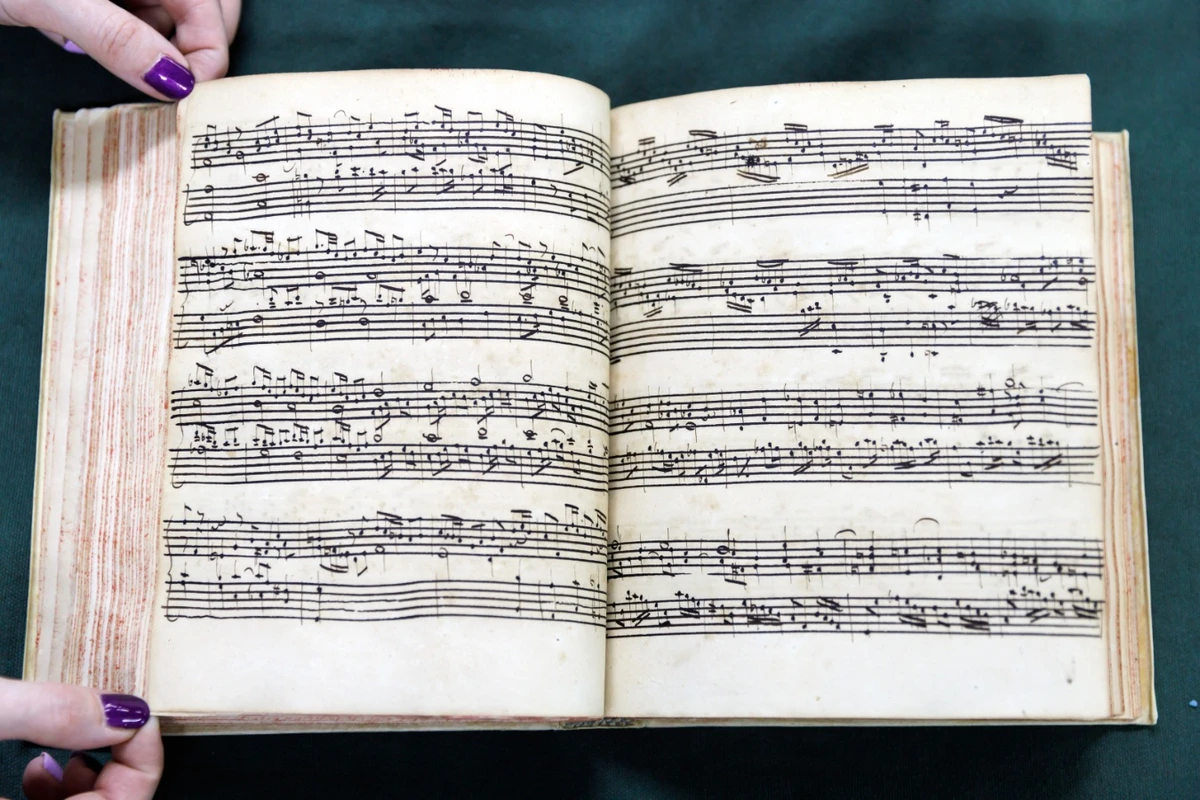
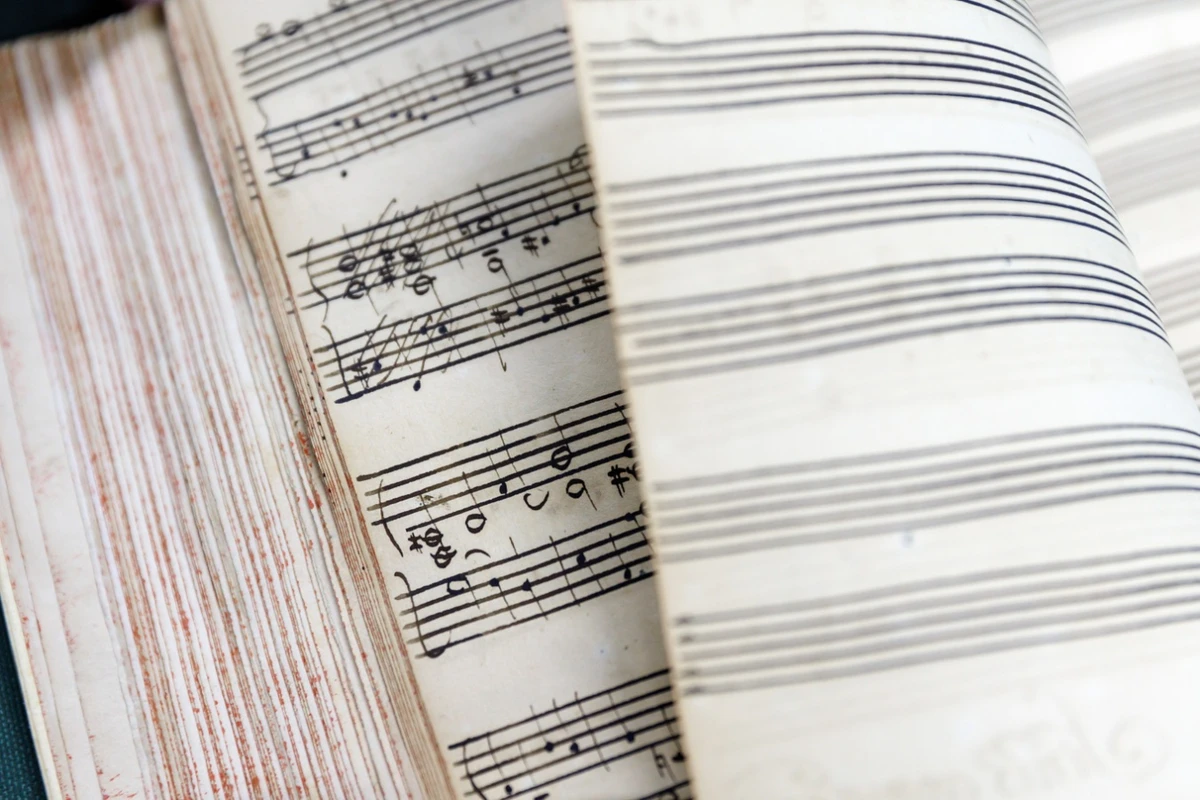
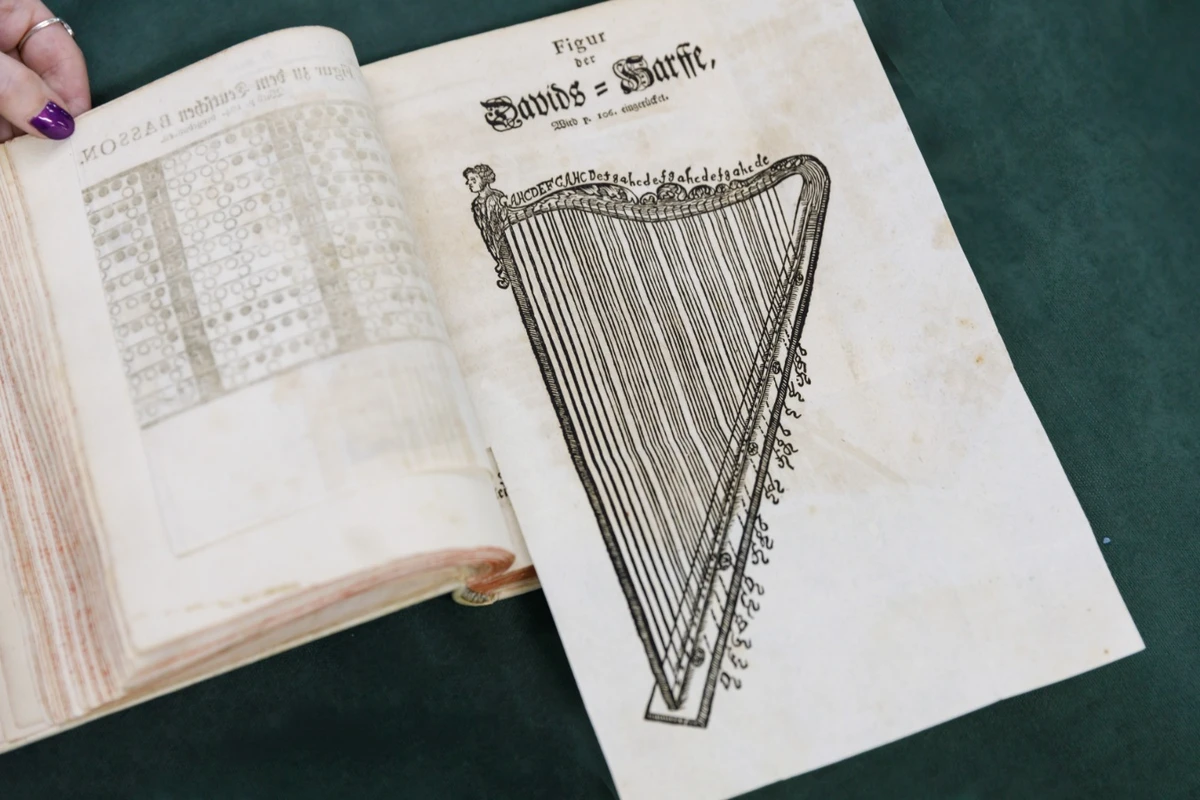
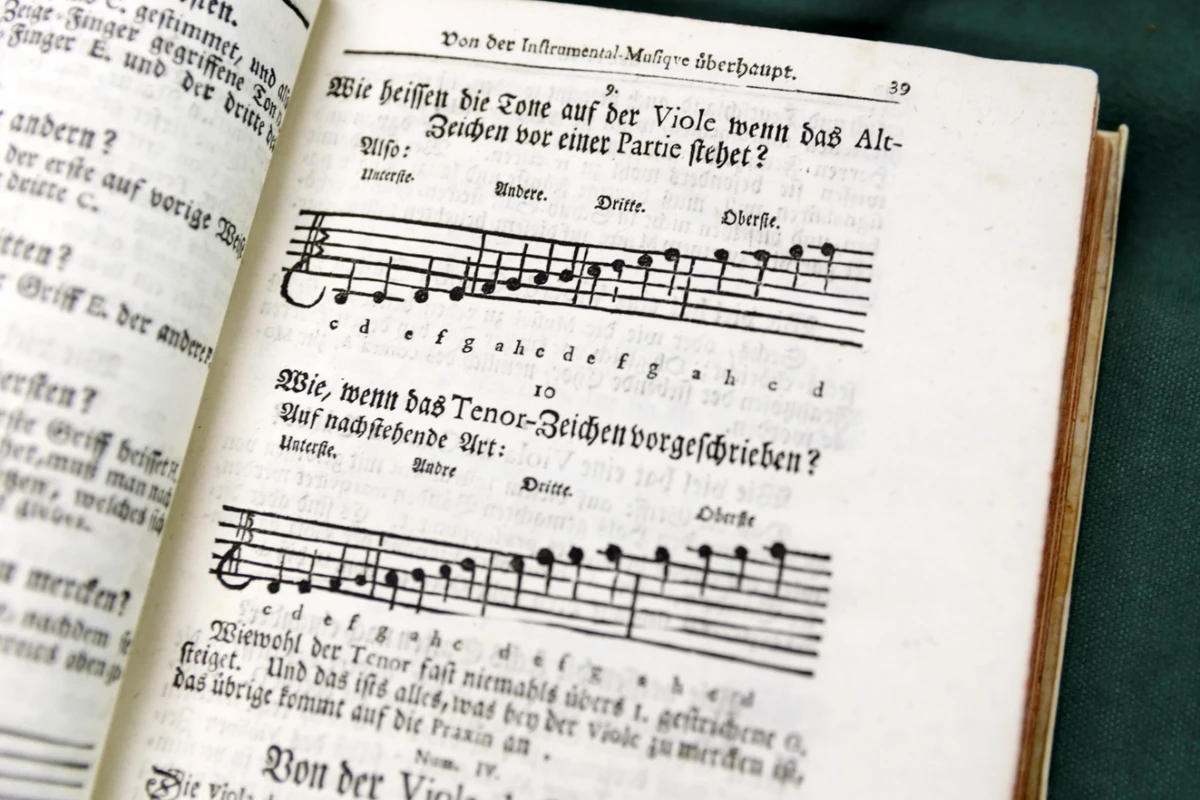
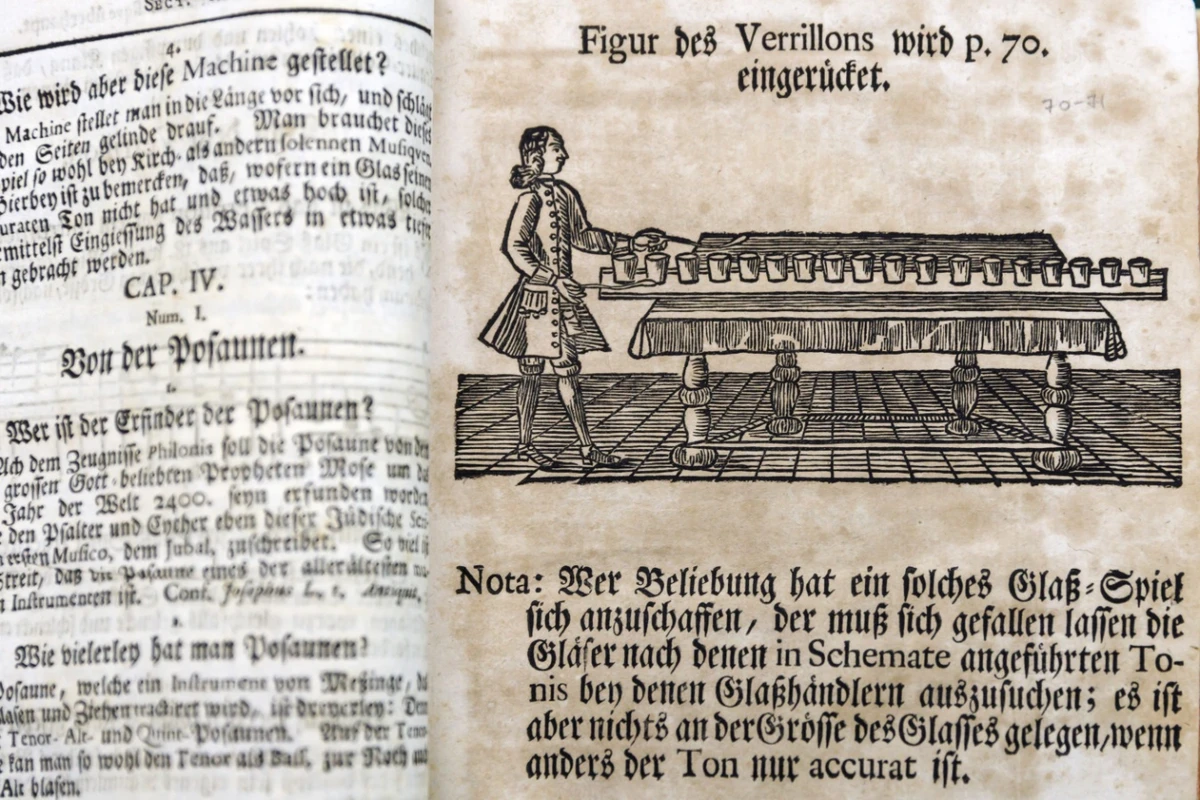
And, of course, Count Vielgorsky’s library contains books on music, which was his chief passion and pursuit. One example is a 1738 manual containing detailed guidance on instrumental and vocal music, engravings of musical instruments, and musical notation. At the end of this copy we see pages of handwritten music and blank sheets with musical staves. Vielgorsky himself may have written the music.
The Nikolay Lodygin Collection
Nikolay Dmitriyevich Lodygin (1842−1885) was an expert in horse breeding and authored a number of works on the breeding of trotting horses. Lodygin’s library was acquired by the Rumyantsev Museum after his death; it proved to be not merely a private collection, but a strategic addition to the Museum’s holdings.
Here is an excerpt regarding this collection from the Rumyantsev Museum’s report for the years 1883−1885:
«A second major acquisition was the library bequeathed to the Museums by N. D. Lodygin—a prominent literary figure associated with the horse‑breeding authorities who, as is evident, also took a keen interest in zoology in general. During the final years of his life, almost daily, he spent several hours working at the Museum, having set himself the formidable task of compiling a detailed zoological dictionary that translated technical terms into all the world’s major languages. Finding, as was to be expected, that the Museum library lacked many of the necessary reference works, he began purchasing and ordering precisely those items we were missing; he even created an alphabetical card catalogue modelled exactly on our own. Consequently, when his library (comprising some 950 volumes) was transferred to us following his unexpected death, we found a collection that not only perfectly complemented the Museum’s holdings but also was already catalogued according to our own system. We feel compelled to acknowledge these details with special gratitude, as donations of this nature are exceedingly rare».
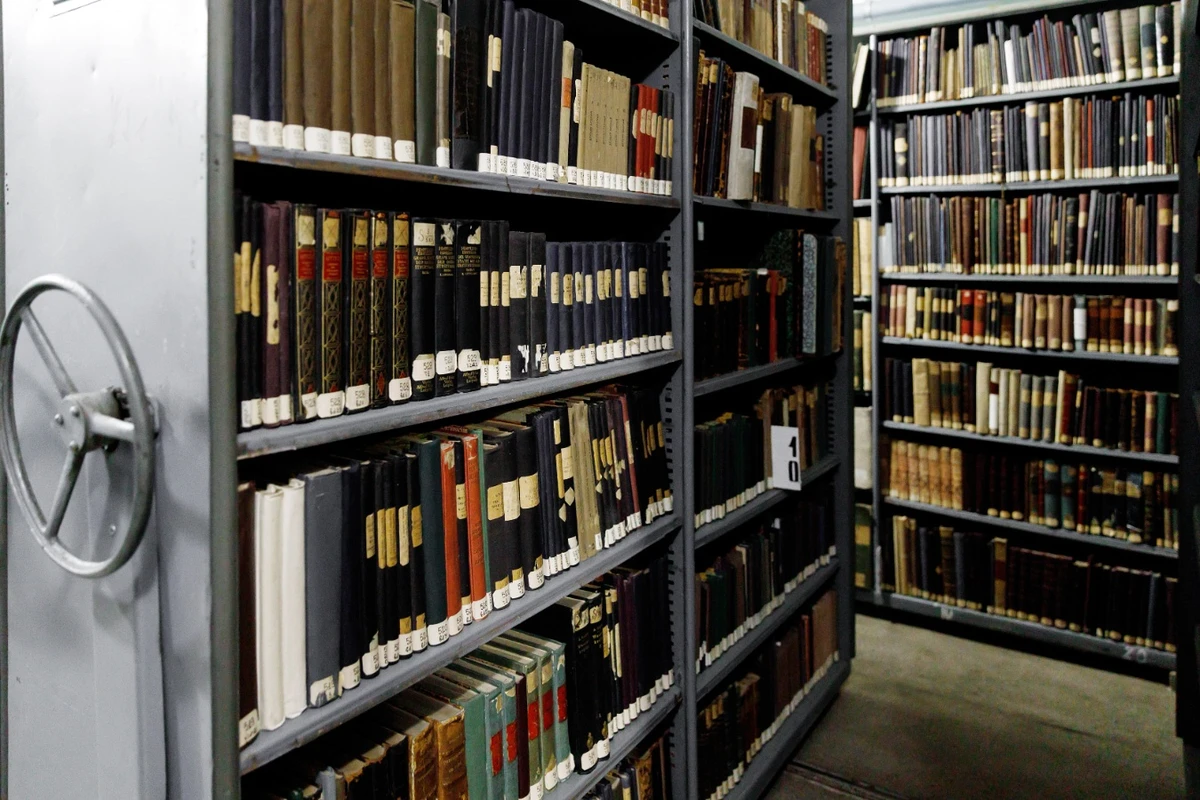
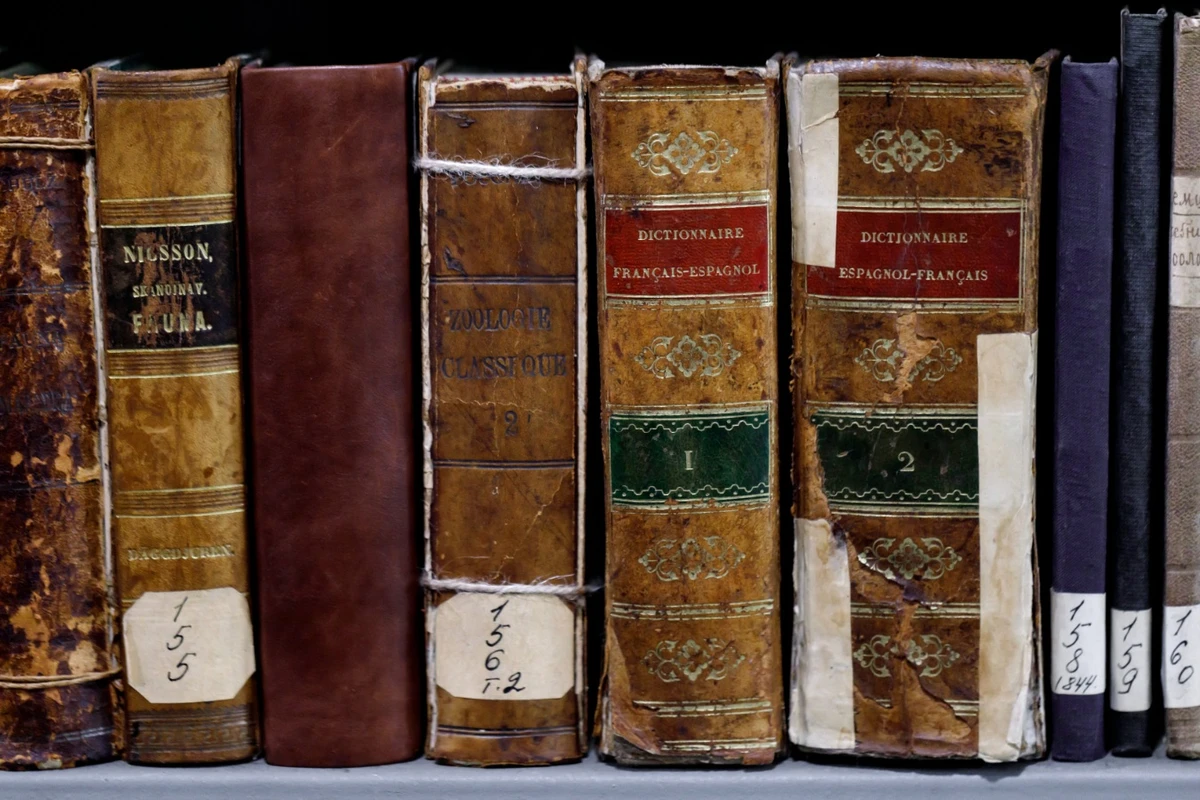
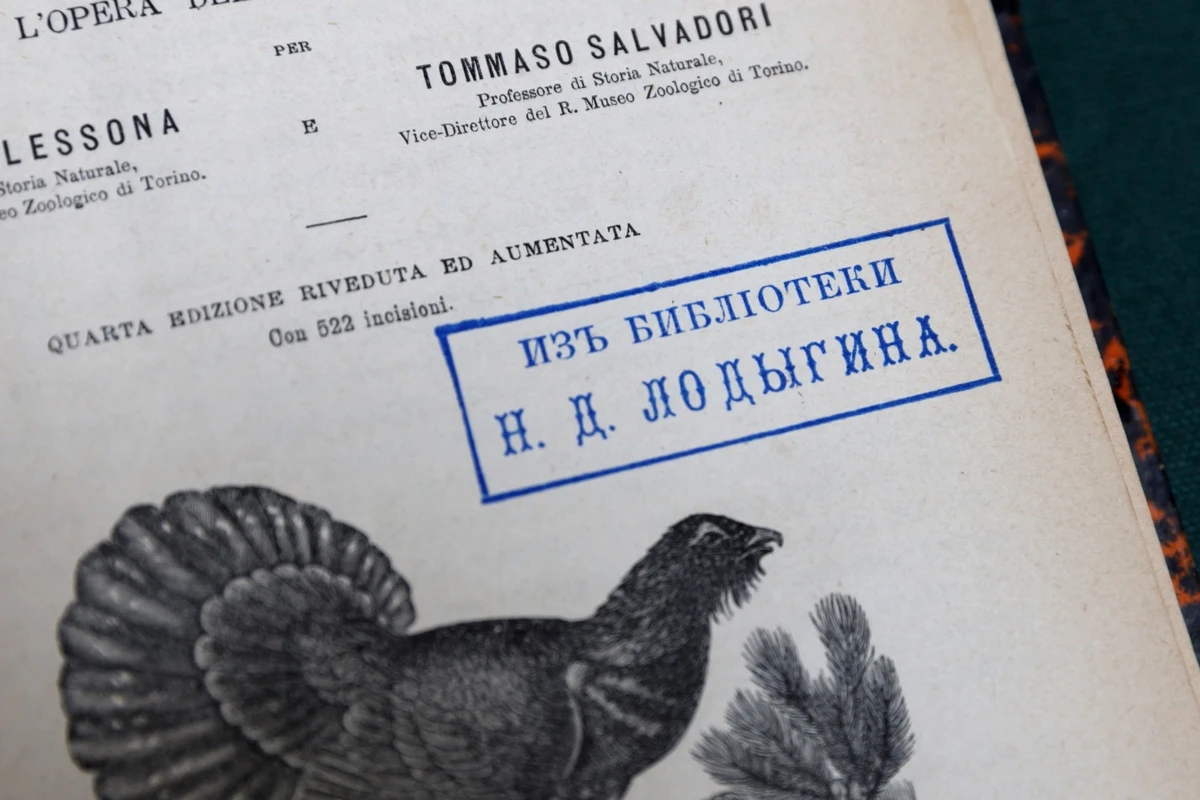
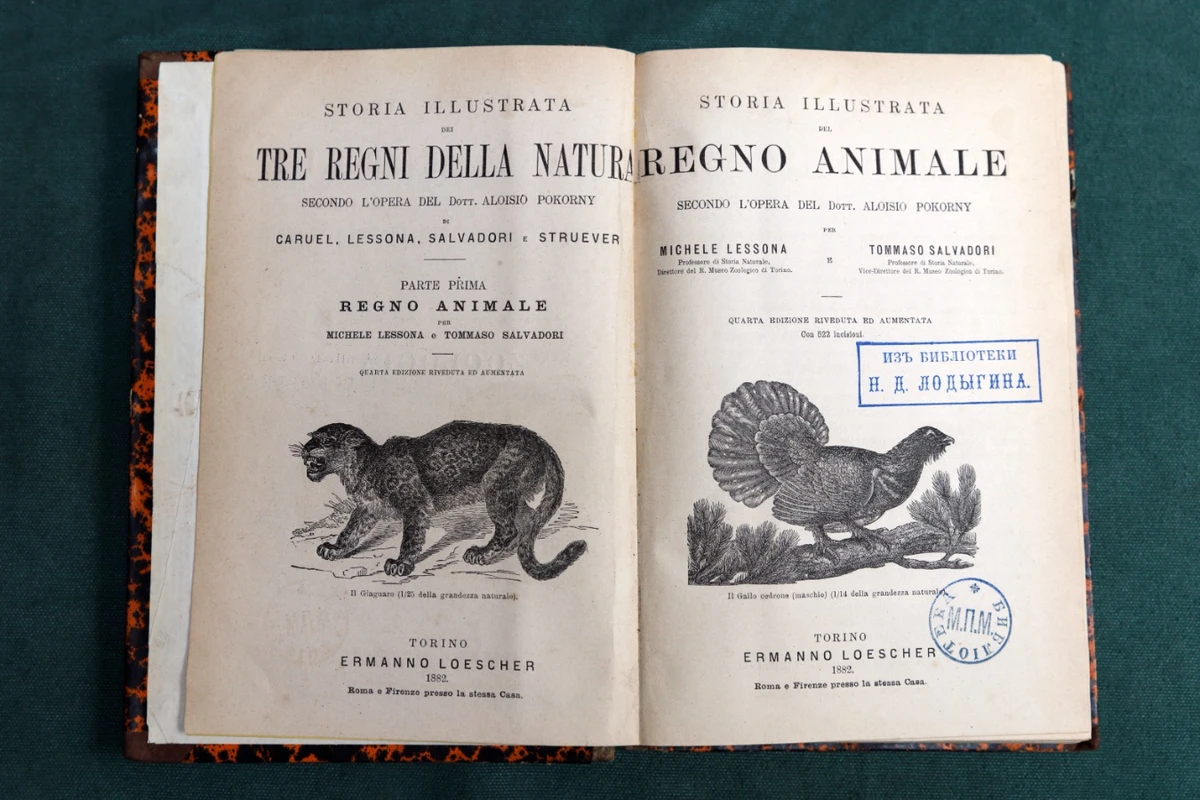
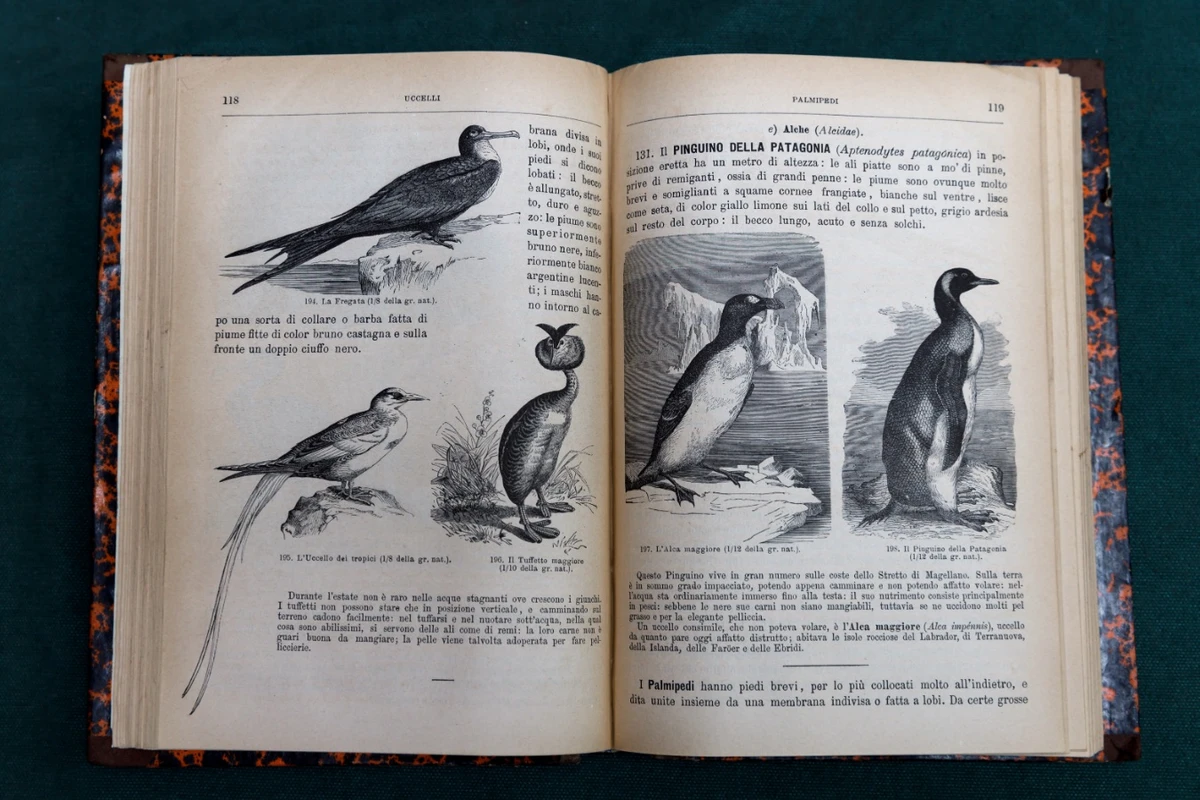
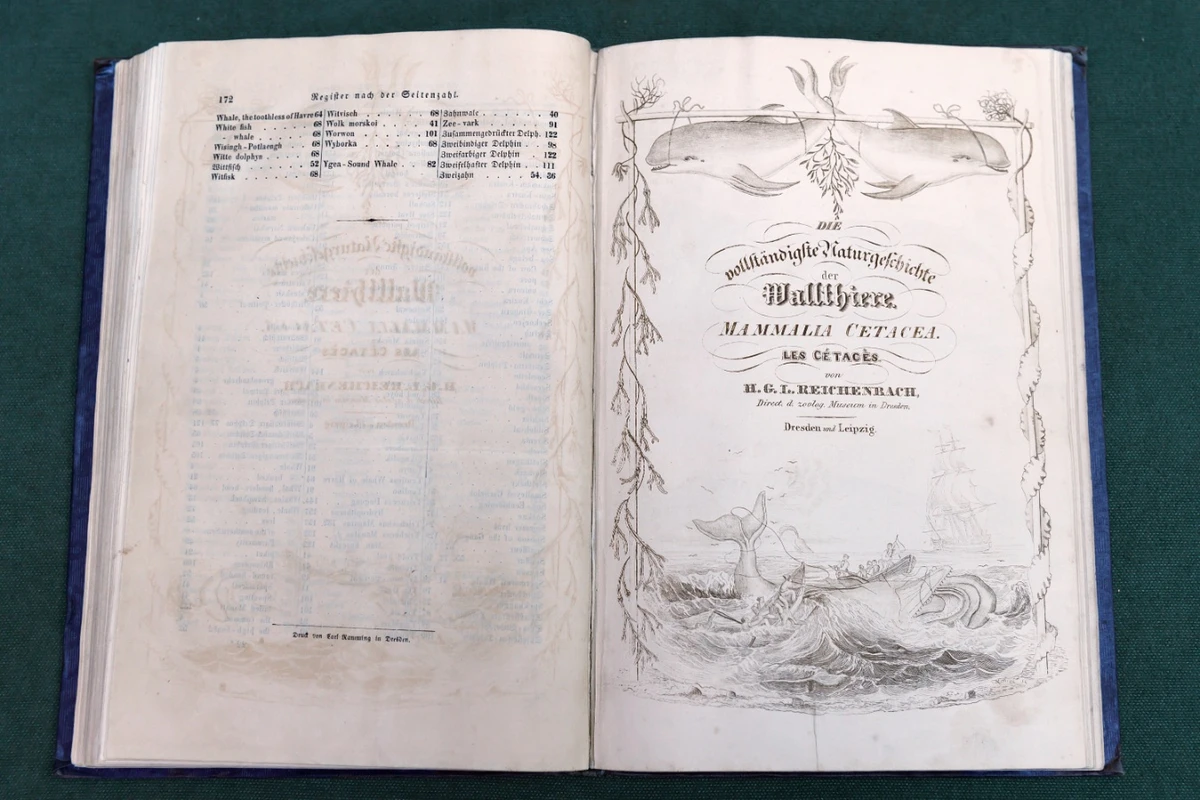
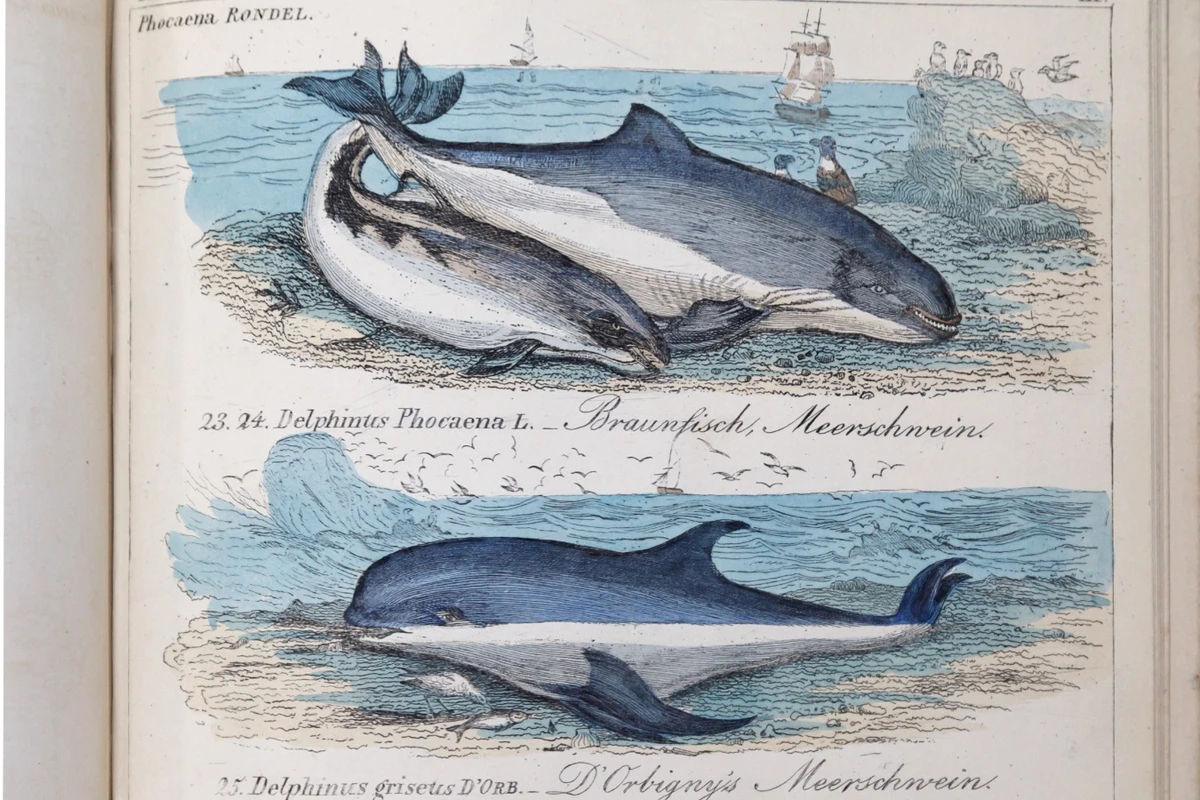
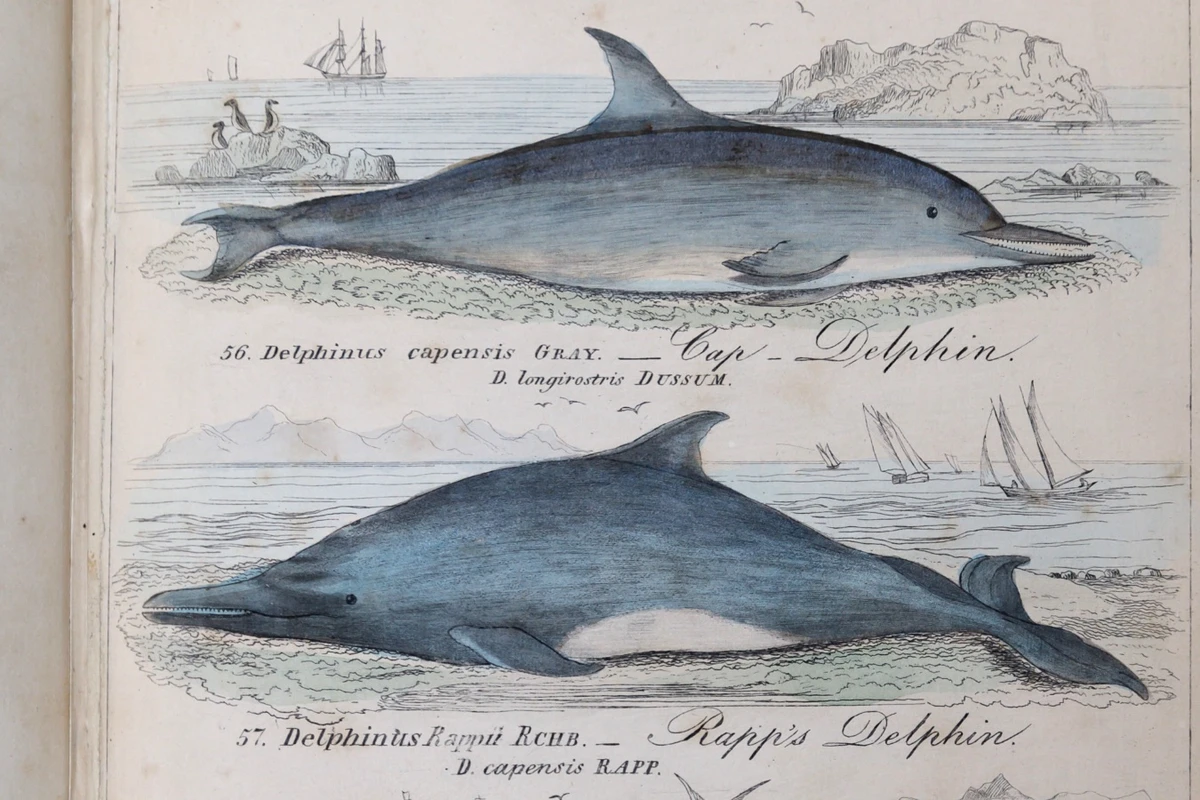
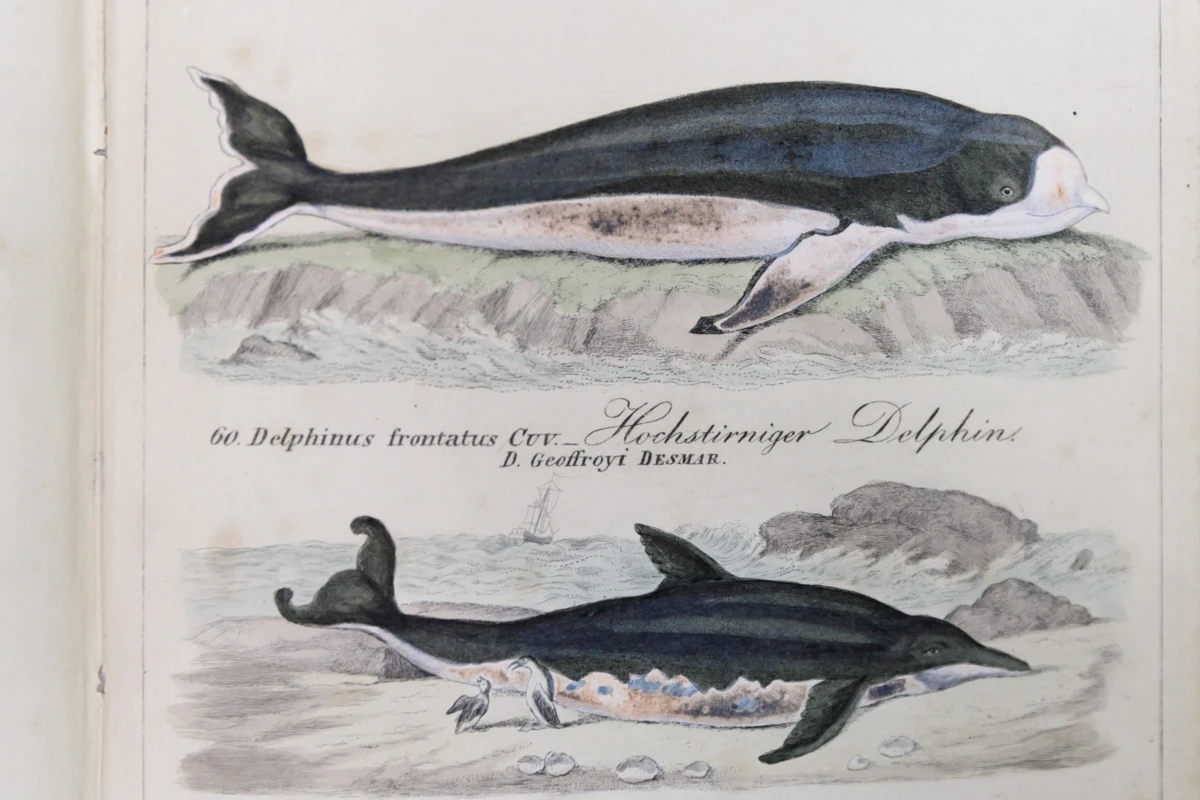
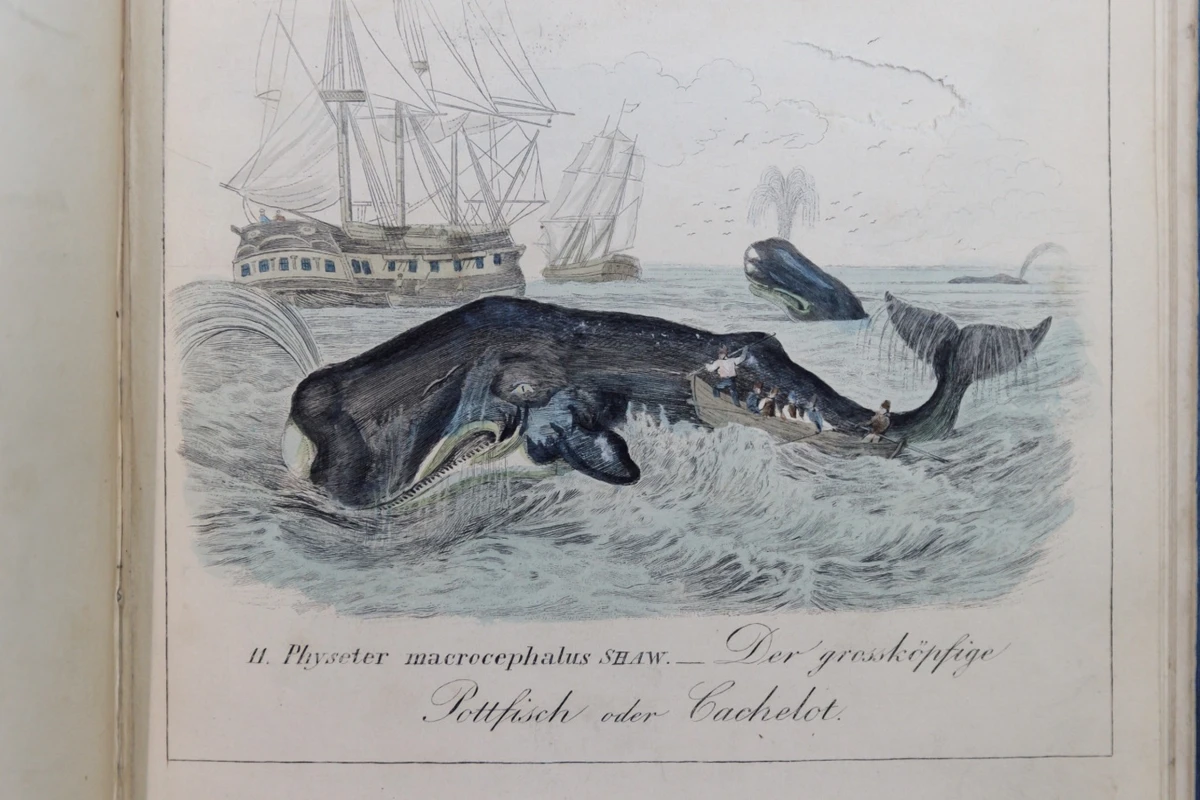
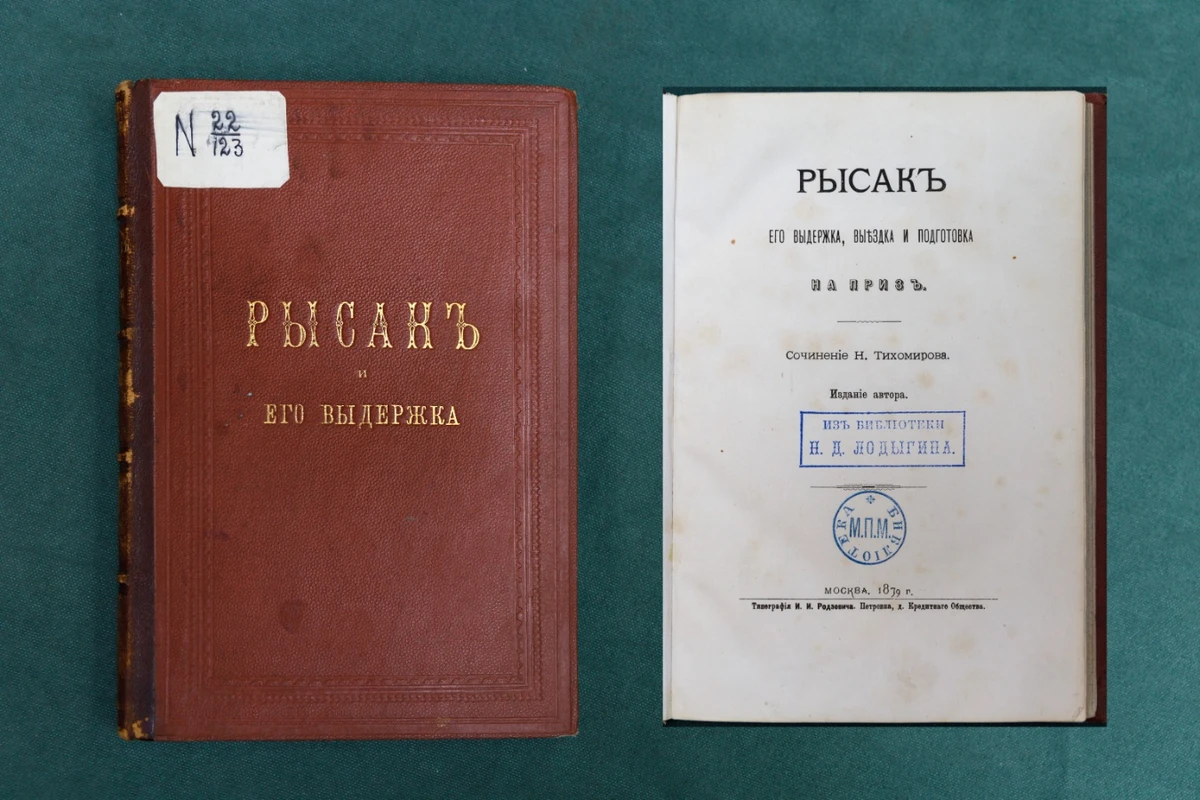
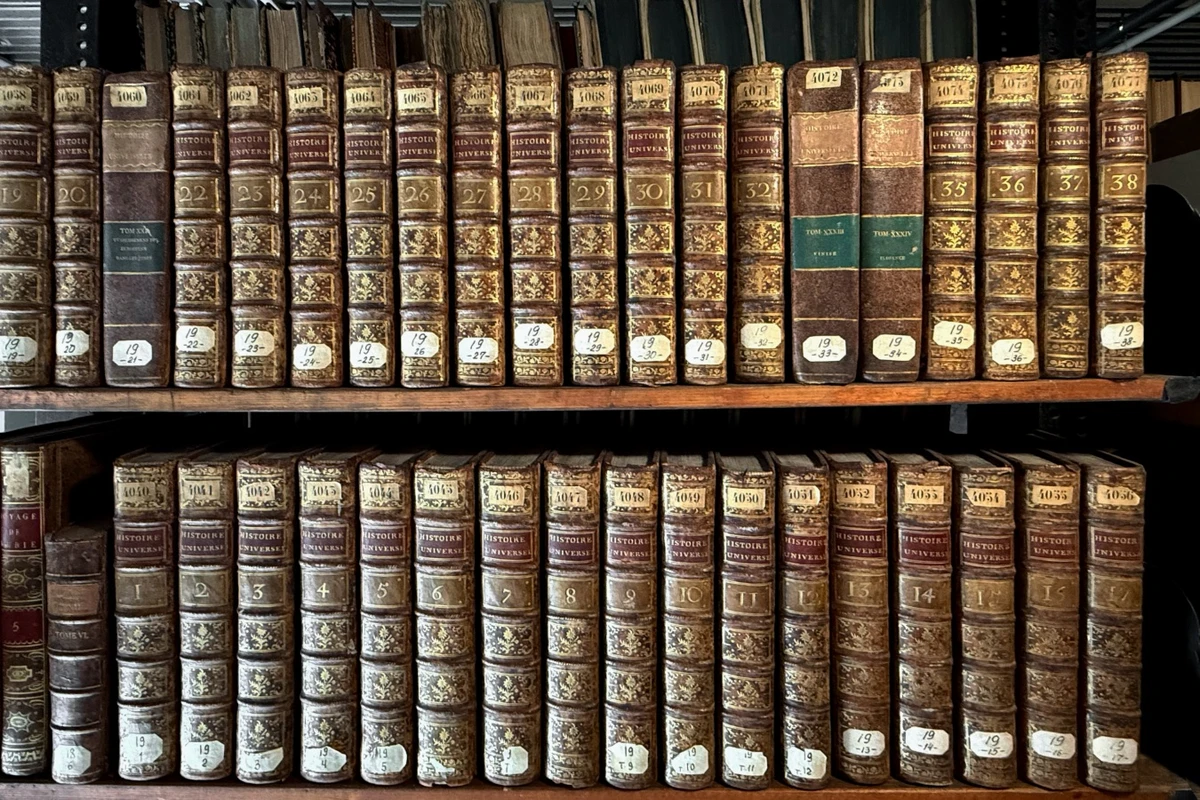
The books in this collection, which stand together as a single unit on the 19th tier of the Central Repository, bear the bookplate «From the library of Nikolay Dmitriyevich Lodygin.» Among them are works on hippology, such as Nikolay Semyonovich Tikhomirov’s «The Trotter: Its Conditioning, Training, and Preparation for Racing» (1879), a volume closely related to Lodygin’s professional expertise. Nearby is the illustrated series «The Three Kingdoms of Nature» (1880s), featuring engravings of animals. Also noteworthy is a book on marine fauna «Cetaceans, or Whales» by Heinrich Reichenbach, which contains detailed «portraits» of these deep‑sea inhabitants.
Today, these books remain on the shelves of the repository, serving as a reminder of a man for whom zoology was his life’s work.
The Aleksandr Lanskoy Collection
Aleksandr Dmitriyevich Lanskoy (1758−1784), an adjutant general and a favourite of Catherine II, was considered one of the most influential figures at her court. His meteoric career lasted only a few years, yet during that time, he amassed a library that eventually became part of the imperial book collection. Following Lanskoy’s death, his collection was incorporated into the personal library of Catherine II and subsequently into the Hermitage library. The books from Lanskoy’s collection arrived at the Russian State Library as duplicates from the Hermitage.
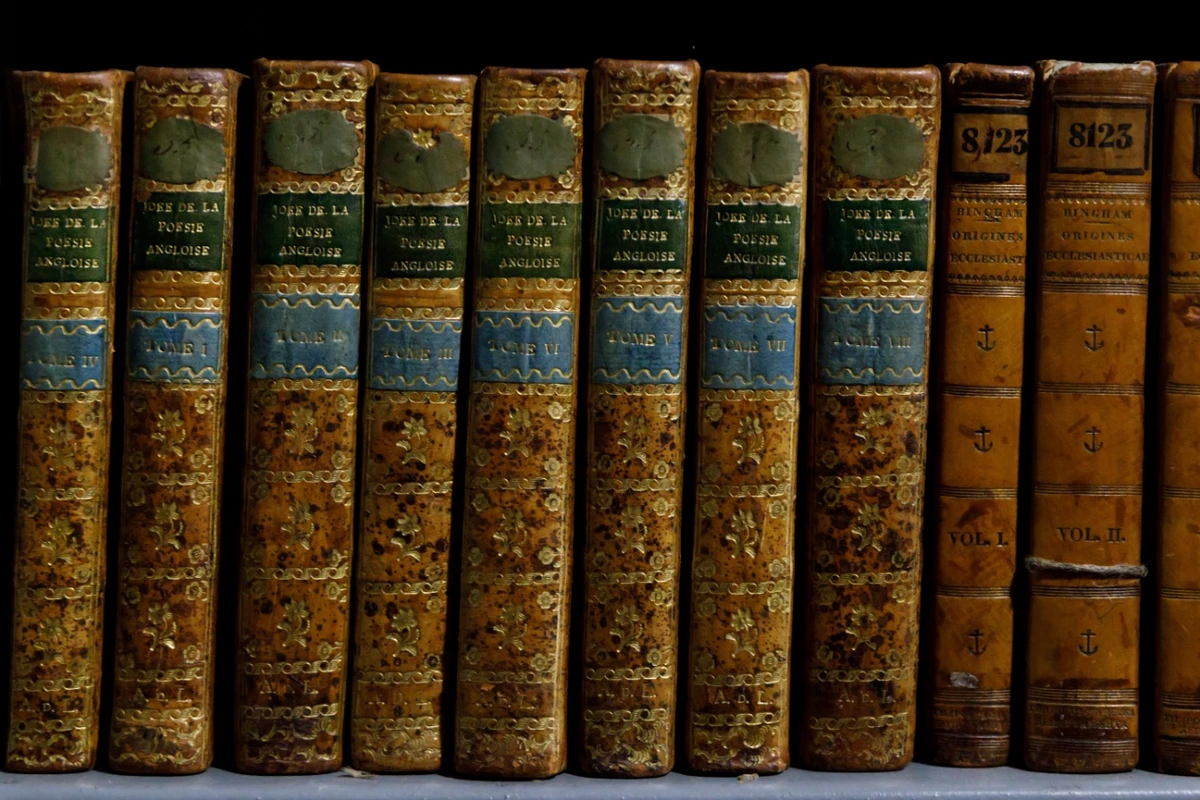
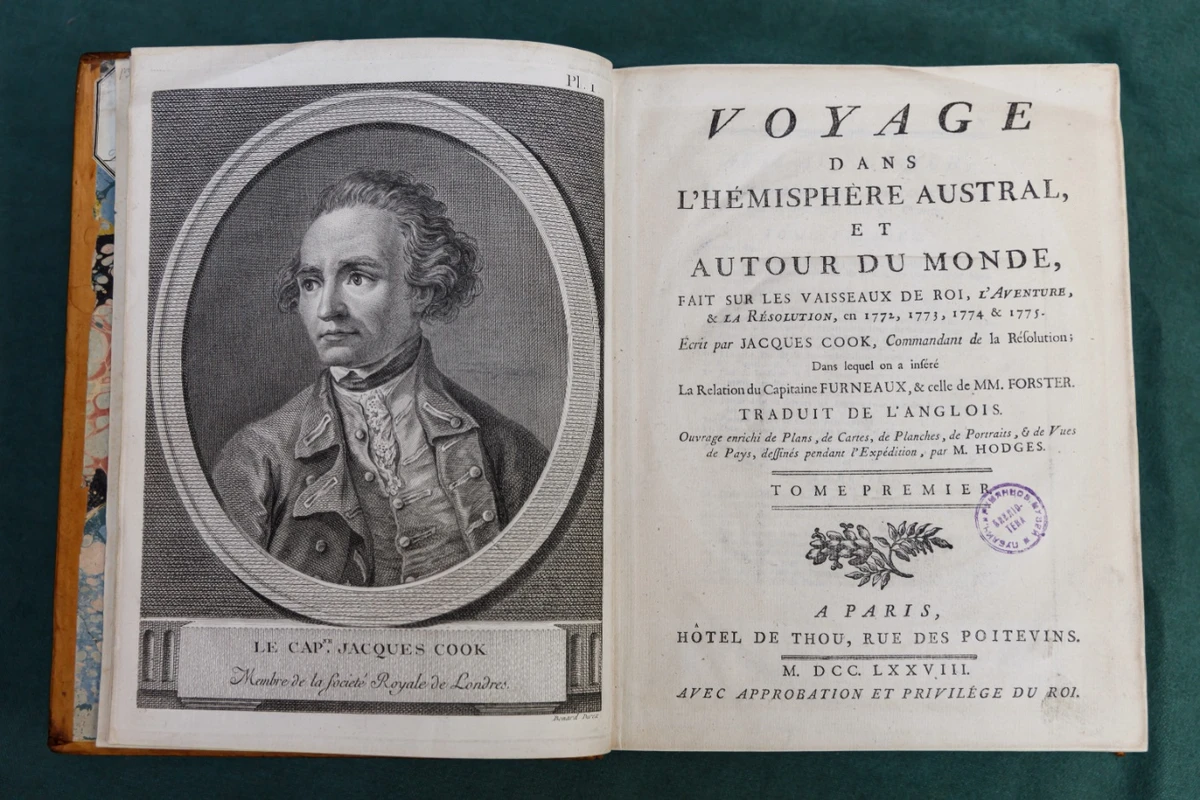
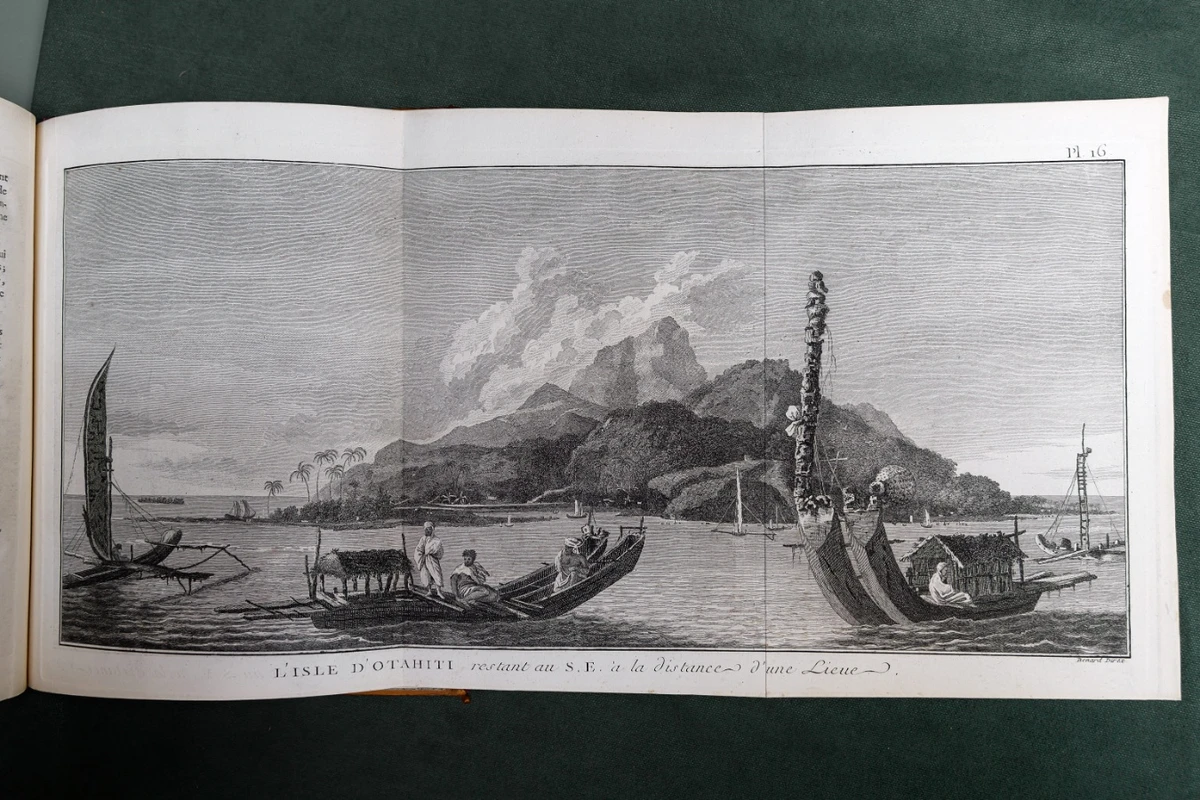
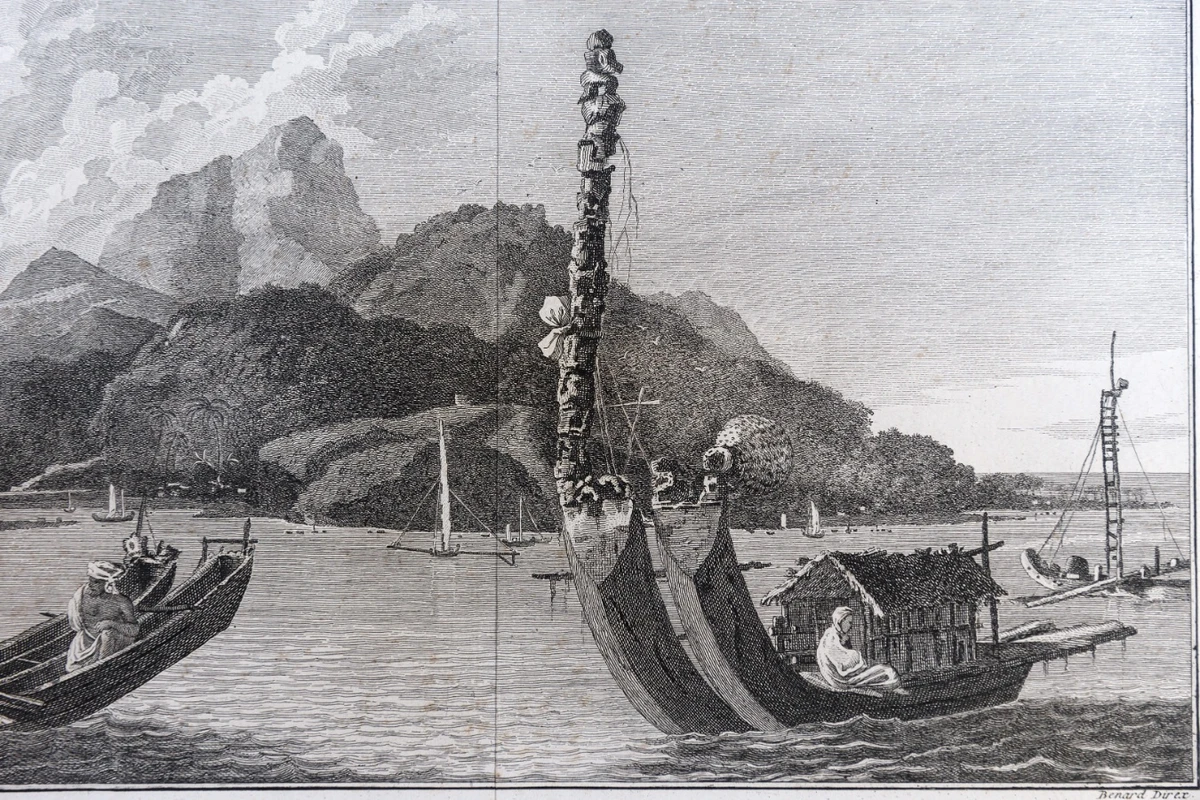
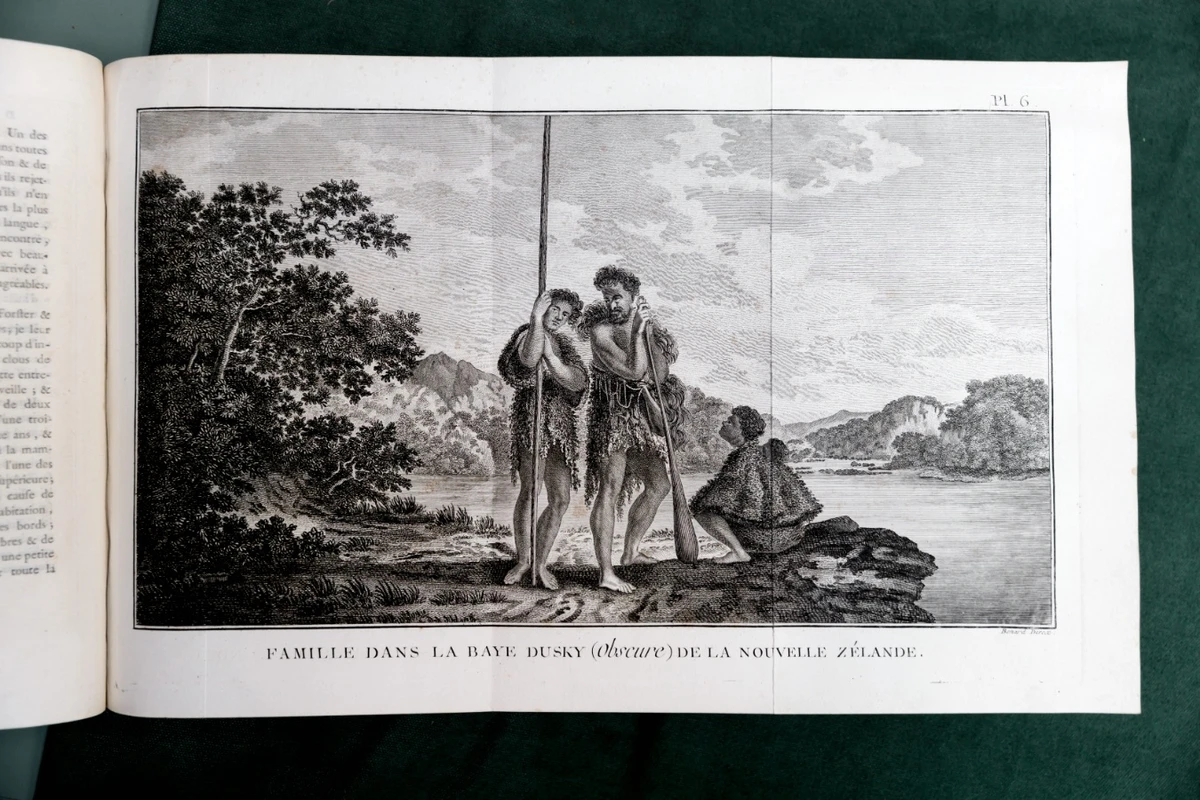
Lanskoy’s library is a collection reflecting the interests of an educated man of the Catherine II era, consisting primarily of works in foreign languages. The collection includes volumes on history, geography, literature, and travel. Notable among them are five volumes of the famous «Voyages of Cook», complete with illustrations, as well as an eight‑volume set of English poetry translated into French, all standing together on the shelf in uniform bindings.
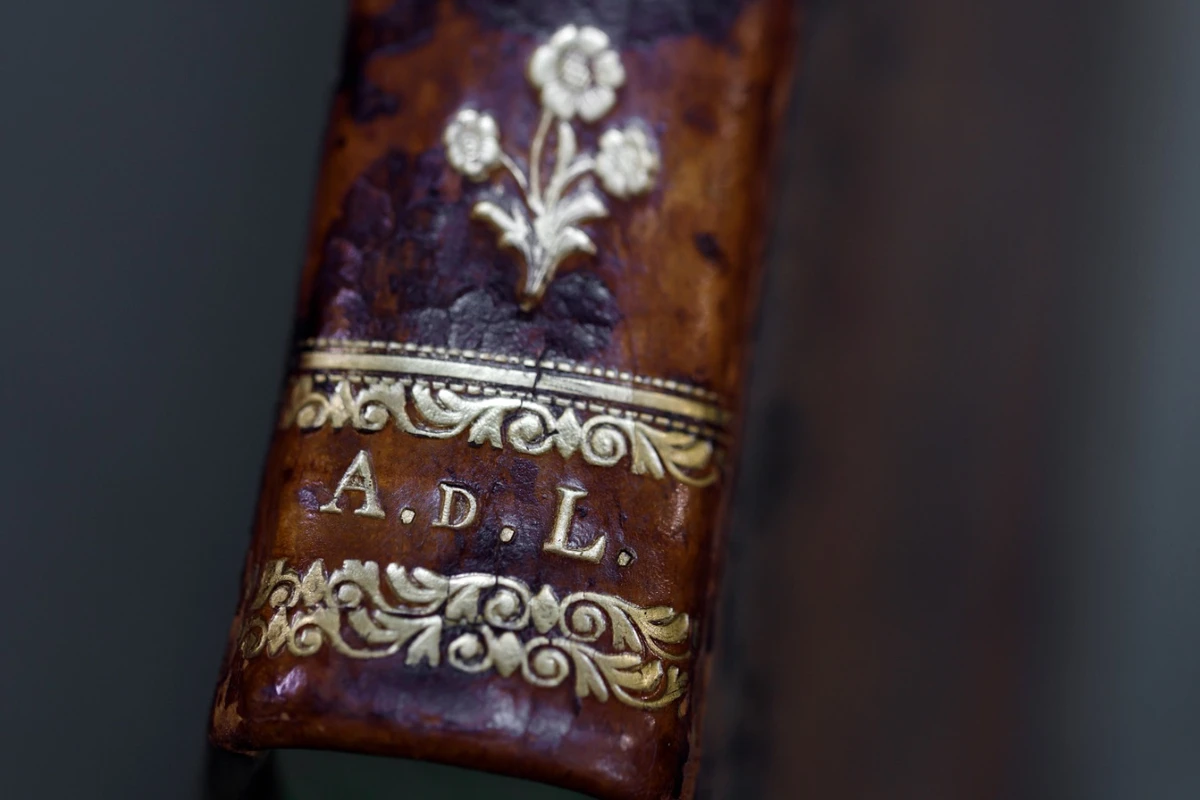
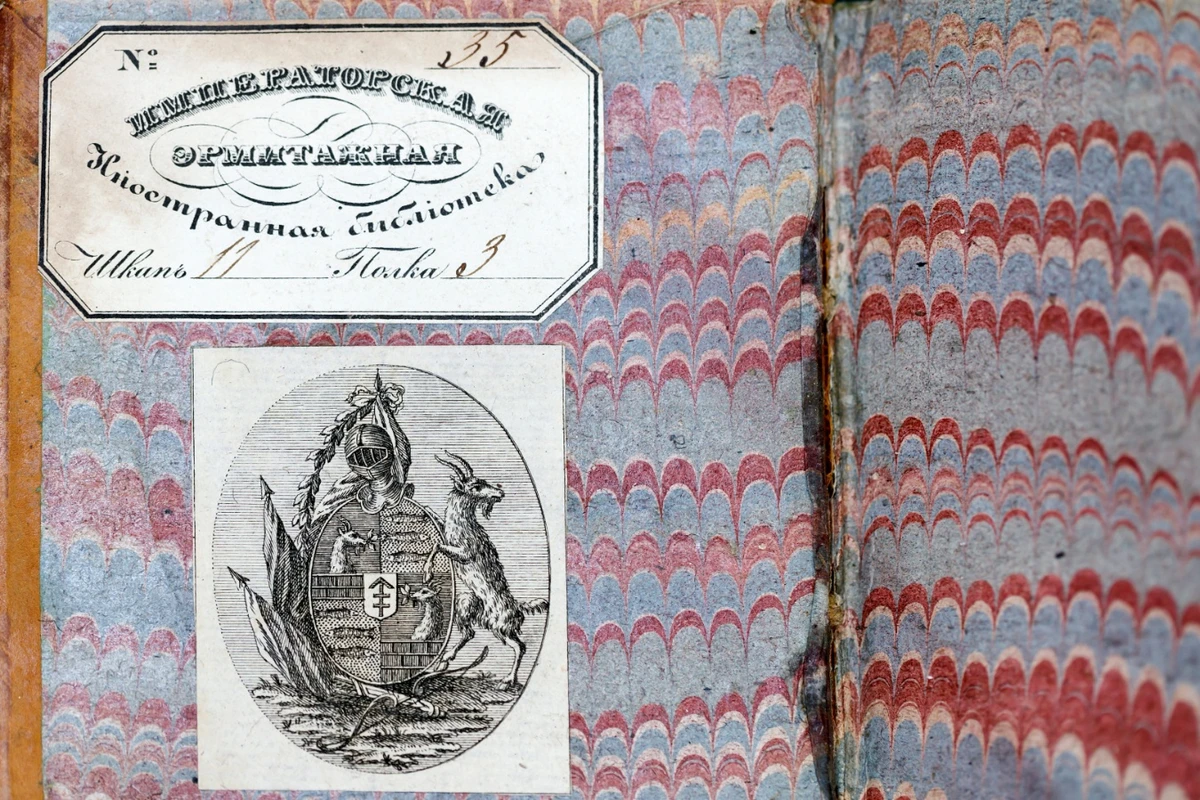
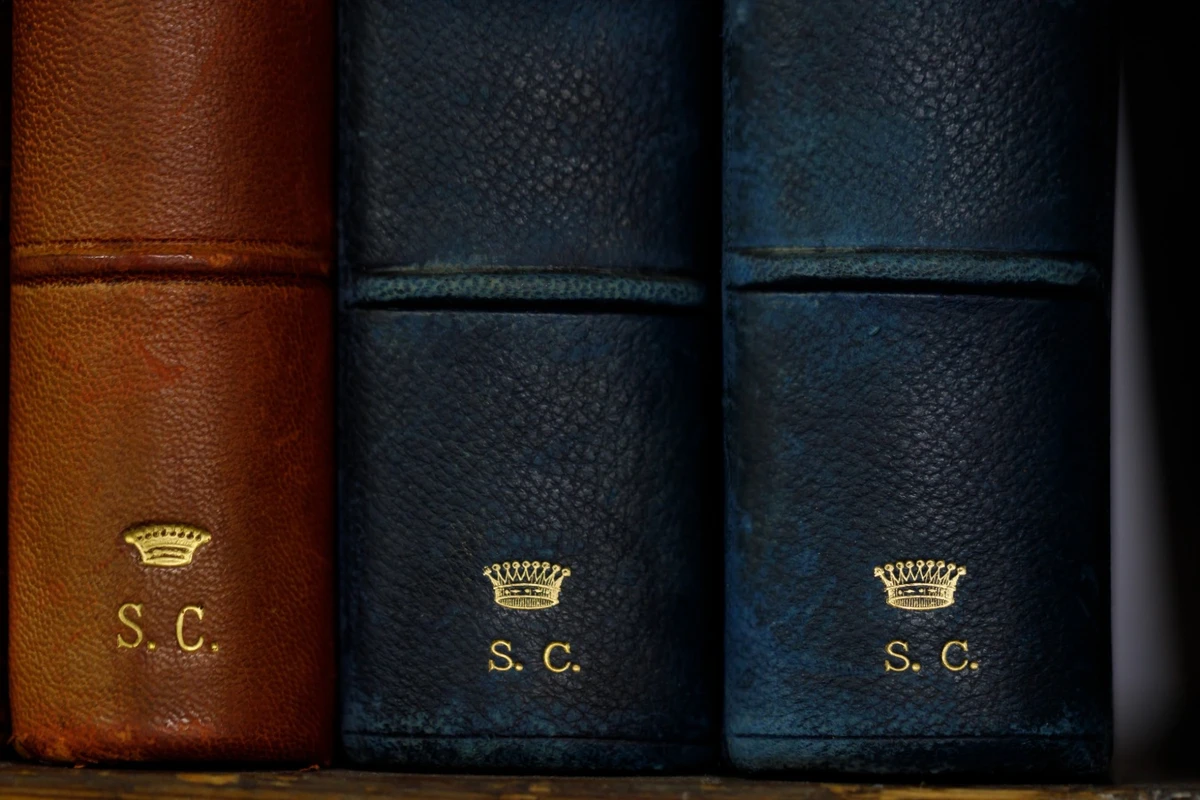
Books from Lanskoy’s library are instantly recognizable: their spines bear gold‑embossed lettering, the initials «A.D.L.» There is, however, another mark of ownership: after these books entered the Hermitage collection, they were stamped with a bookplate «Imperial Hermitage Foreign Library.» Thus, a single volume may feature two distinct marks of provenance, one from a private collection and one from an imperial institution, making the book a testament to the transition from one era to another.
The Pyotr Chaadaev Collection
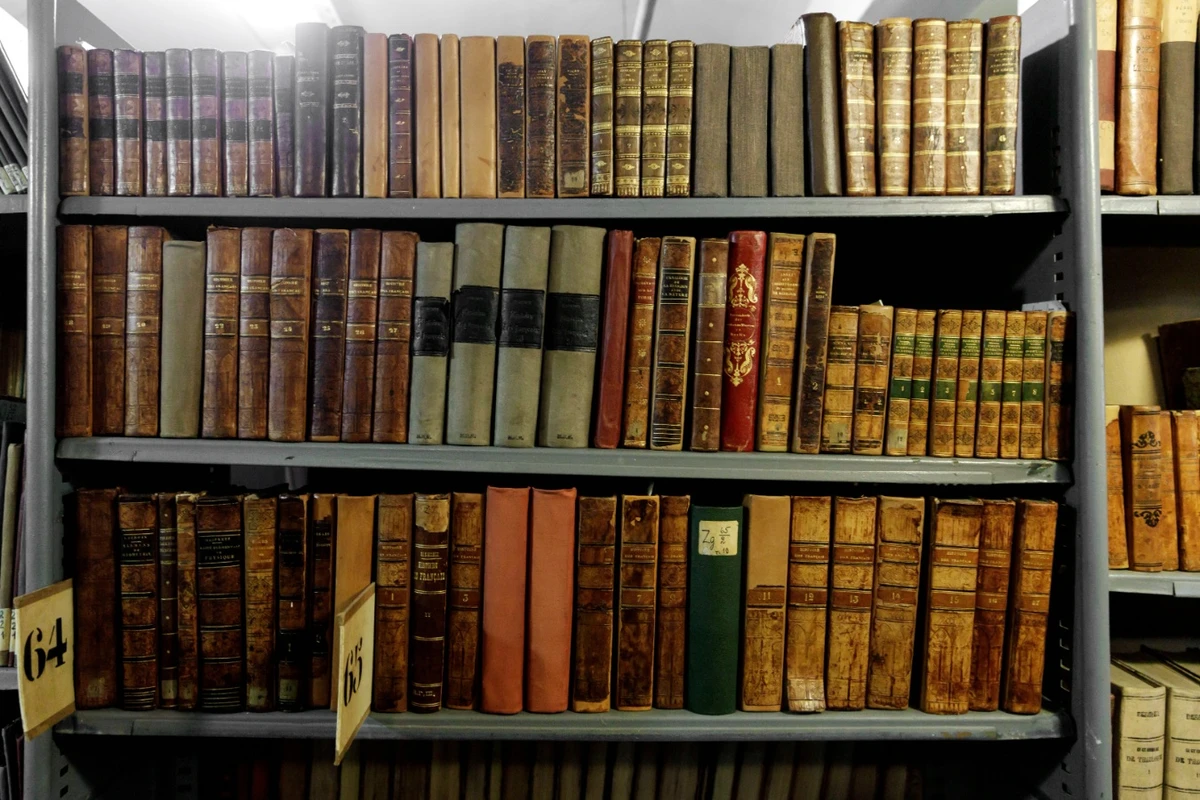
Pyotr Yakovlevich Chaadaev (1794−1856) was a philosopher, thinker, and publicist. He spent his entire life collecting books that reflected his intense intellectual reflections and pursuits. Following Chaadaev’s death, his book collection was donated to the Rumyantsev Museum in 1866 by his relative and biographer, Mikhail Zhikharev.
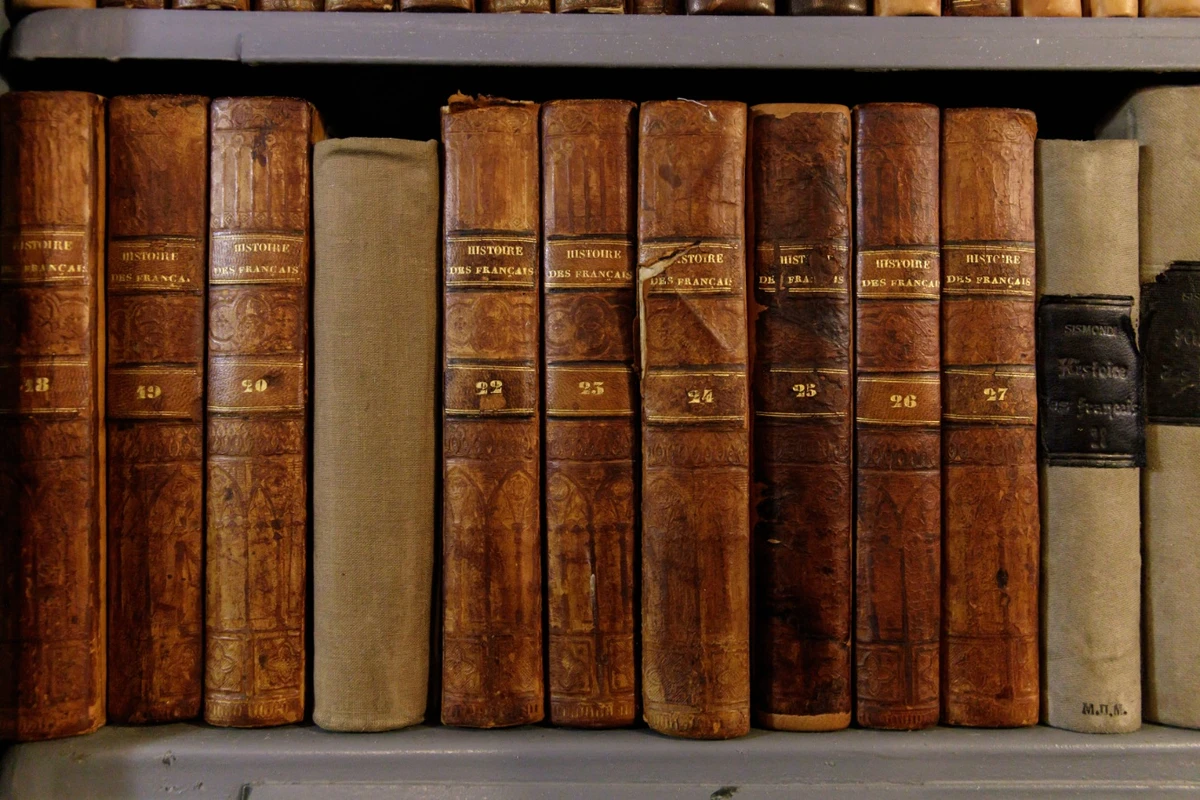
Chaadaev’s library comprises over 1,300 volumes on history, philosophy, and religion—in English, Greek, Italian, Latin, and French, and is housed as a single, unified collection on the 19th tier at the Russian State Library.
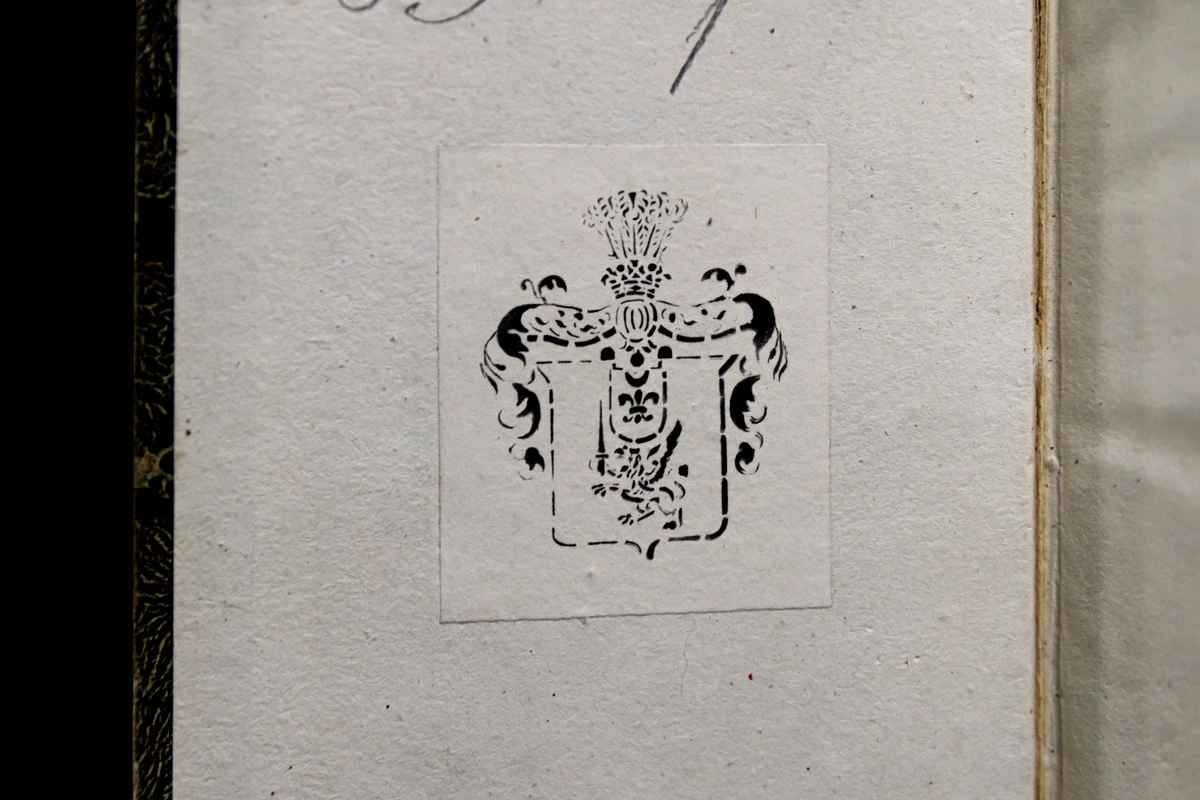
Chaadaev’s books contain bookplates — rectangular labels featuring a family coat of arms. The collection also includes volumes with dedicatory inscriptions from his prominent contemporaries, such as Aleksandr Herzen, Timofey Granovsky, and Stepan Shevyryov.
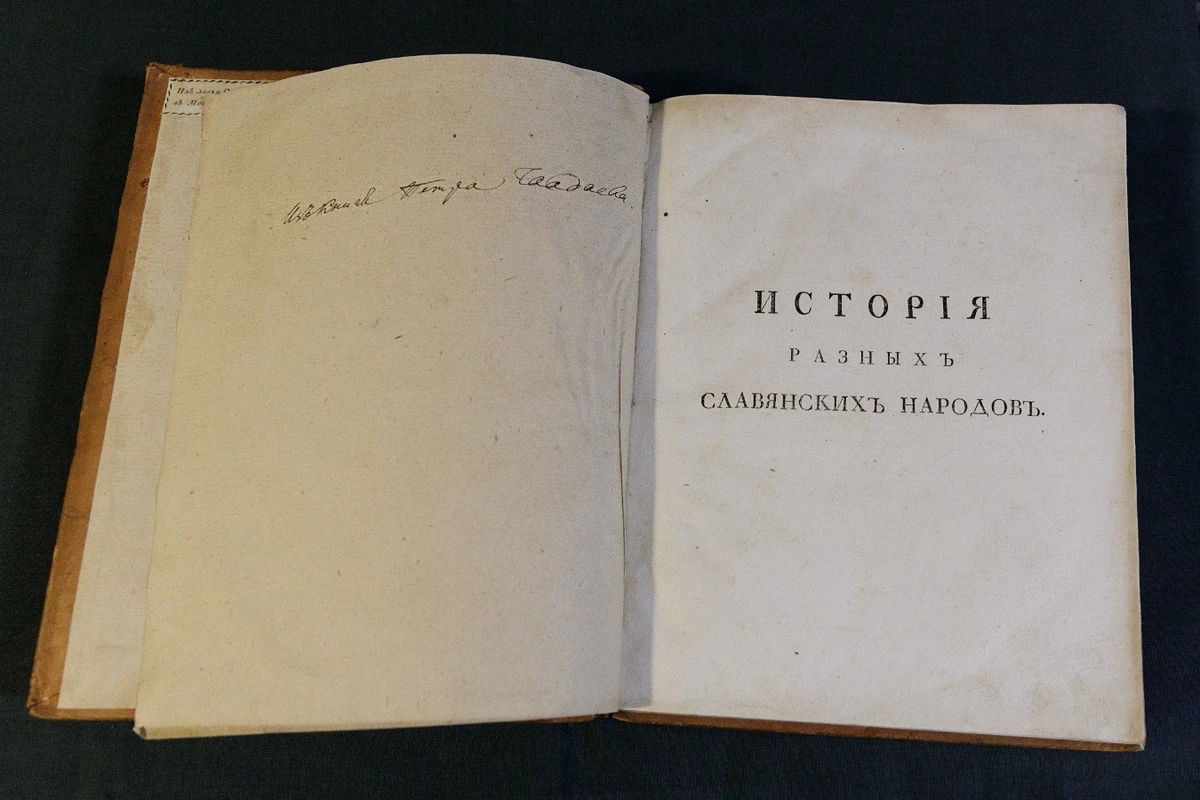
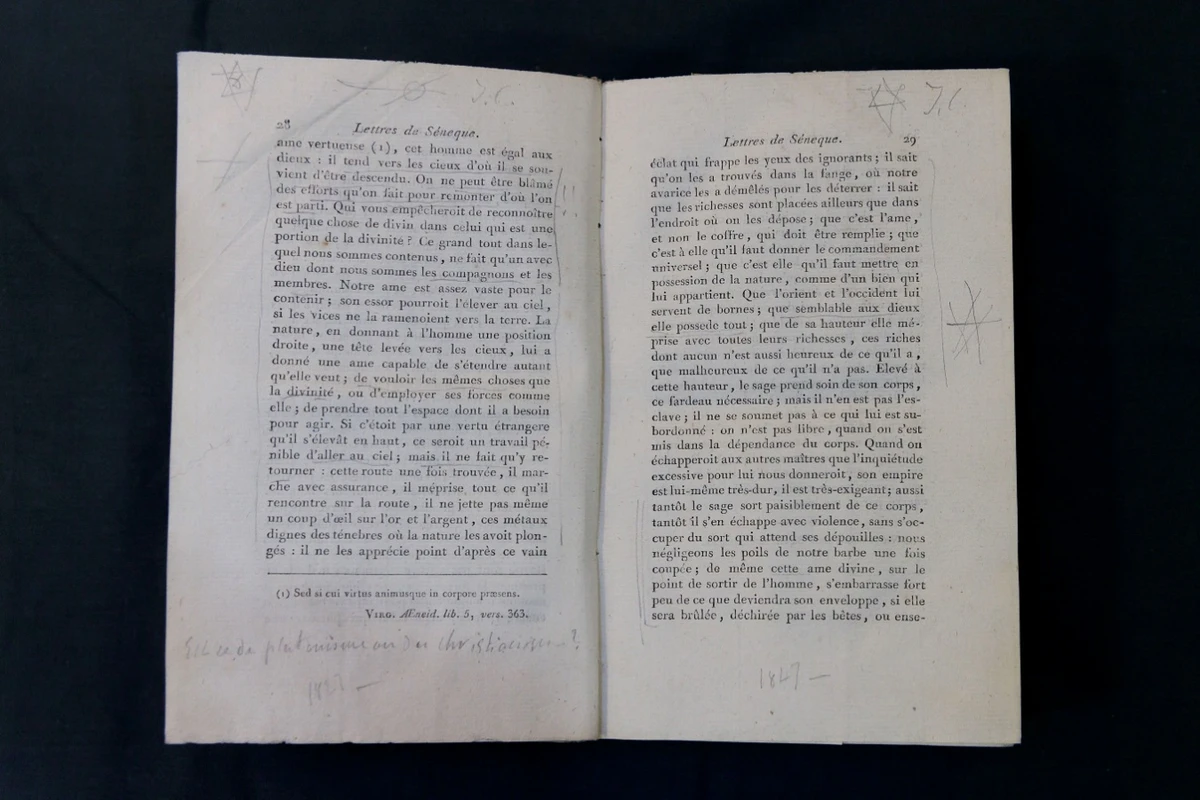
Of particular interest are the annotations made by Chaadaev’s own hand. For instance, a copy of «History of Various Slavic Peoples» (1795) bears an ownership bookplate: «From the books of Pyotr Chaadaev.» Furthermore, a French translation of the works of Seneca contains pencil marks left by Chaadaev in the margins. These are not always easy to decipher — the signs appear almost like a code. Yet, these are no mere random jottings; each mark carries a specific meaning. Scholars are still working to decode them, seeking to understand the thoughts that occupied the philosopher as he reread these ancient authors.
Purchasing
Another way personal collections enter the library is through purchase. Unlike donations, this process requires negotiations, valuation, and reaching an agreement with the owner or their heirs. The Rumyantsev Museum and later the Russian State Library purposefully acquired entire libraries to enrich their holdings with the most valuable and rare editions.
The Avraam Norov Collection
Avraam Sergeyevich Norov (1795−1869) was a statesman, Minister of Public Education, Orientalist scholar, and traveller. In his youth, he lost a leg during the Battle of Borodino, yet this did not prevent him from continuing his professional pursuits or undertaking several journeys throughout the Middle East and the Holy Land. He inherited a family library, which he continued to expand throughout his life. In 1863, Norov’s library was transferred to the Rumyantsev Museum. The state treasury paid his heirs 17,000 silver rubles for the collection—a significant sum at the time. This acquisition became one of the Museum’s first major additions and served as a foundation for its future holdings.
Norov’s library comprises approximately 16,000 volumes and spans the period from the 15th to the 19th century. It contains works on philosophy, history, astronomy, mathematics, and linguistics, as well as numerous publications on church history and archaeology, along with books about the Holy Land—a collection Norov began assembling purposefully in 1835. A portion of Norov’s library is held within the main collection of the RSL.
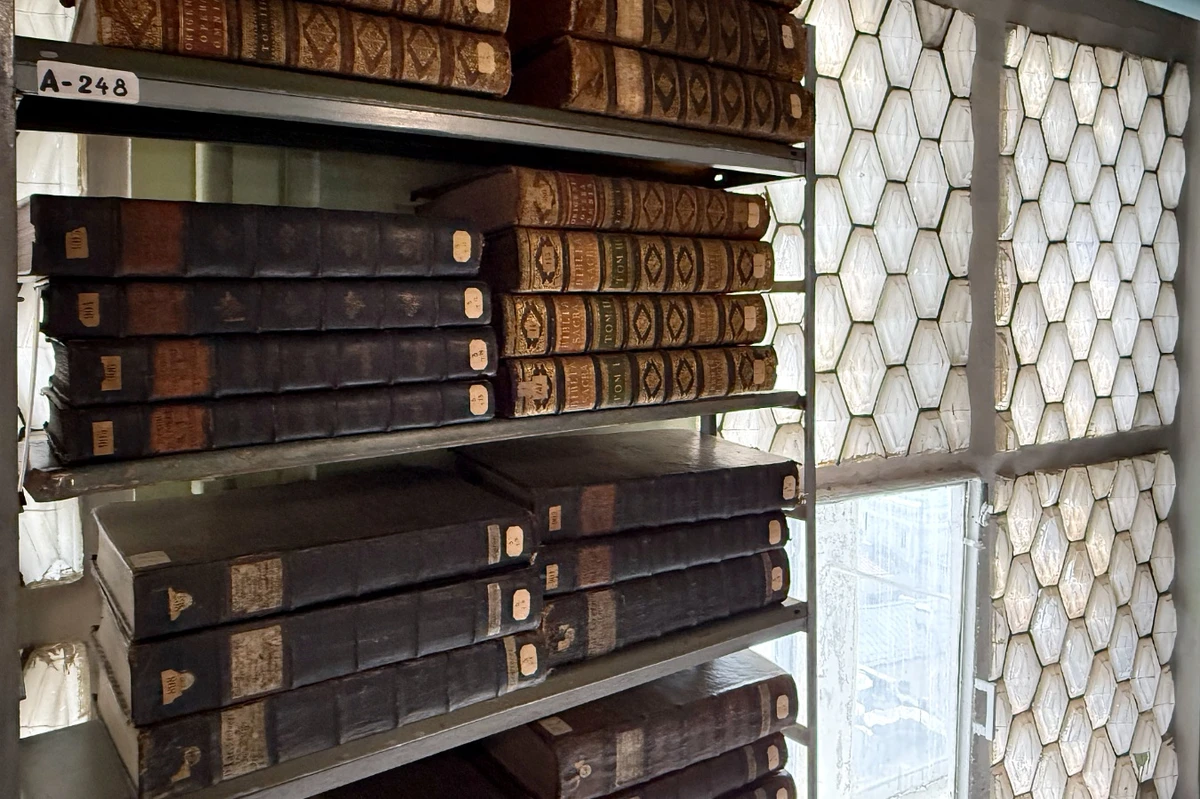
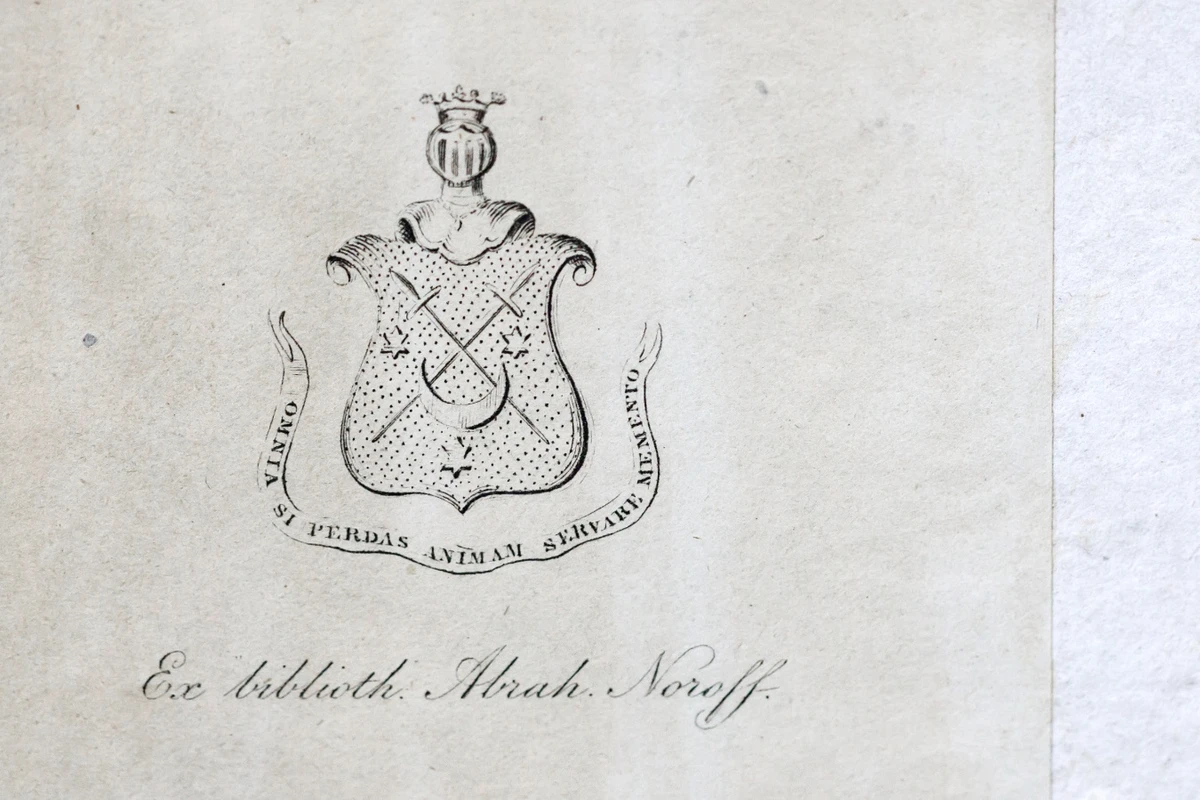
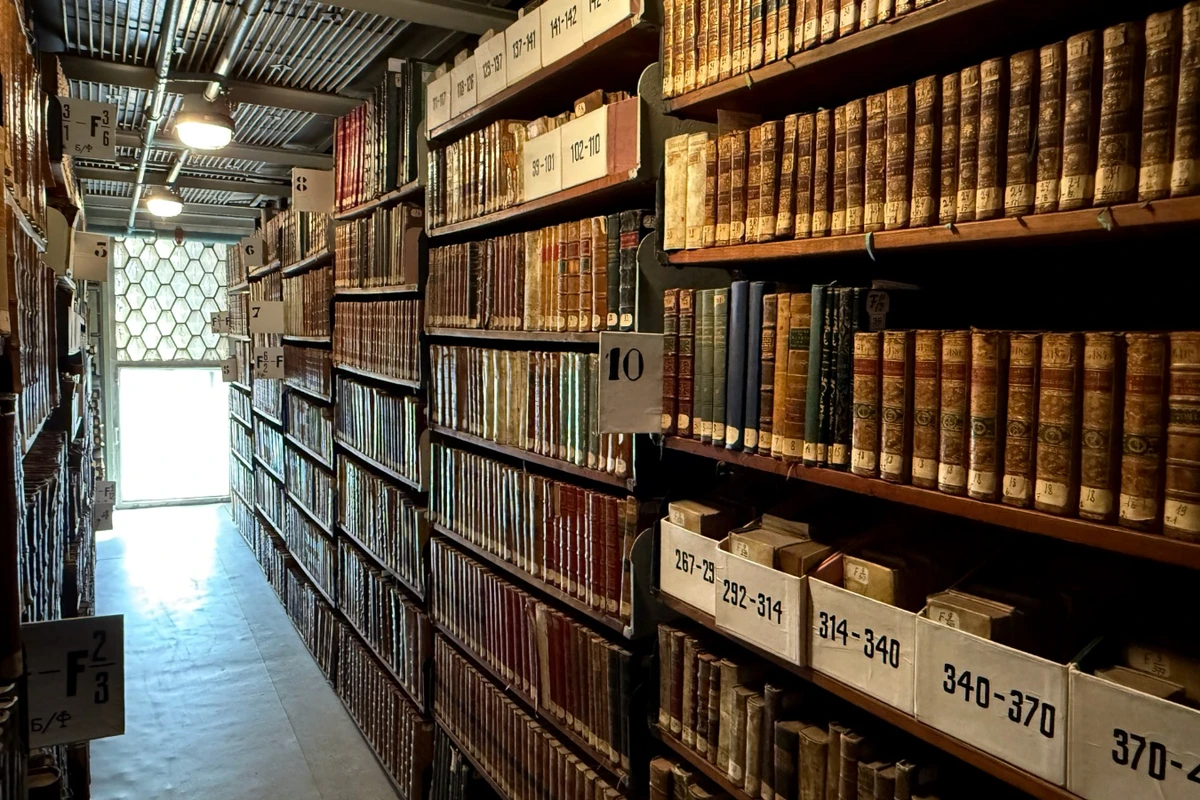
The books bear a bookplate featuring a family coat of arms and the motto: «Omnia si perdas animum servare memento» («If you lose everything, remember to preserve your soul»), with the inscription «Ex biblioth. Abrah. Noroff» beneath it, the spines also display distinctive small labels with numbers. Many of the large‑format volumes from his collection are laid horizontally near the Falconier windows, forming one of the most beautiful and recognizable features of the book repository.
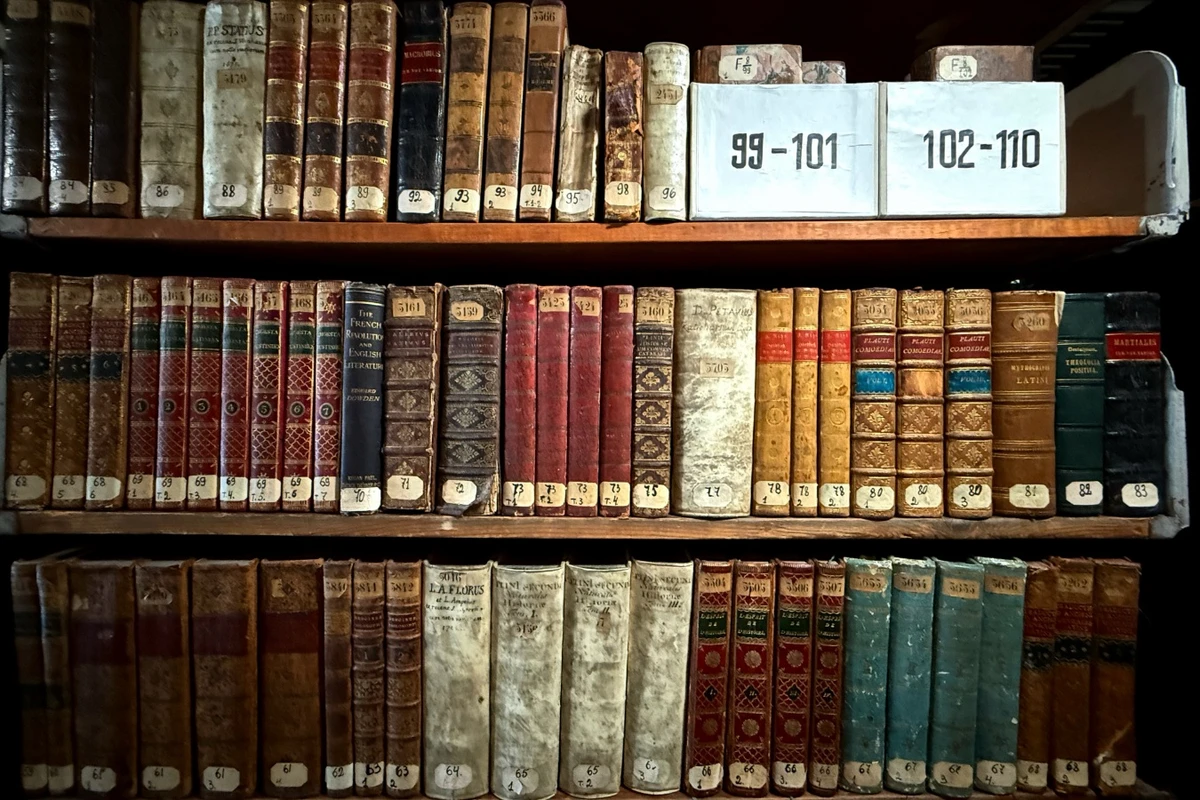
The Mikhail Menzbir Collection
Mikhail Aleksandrovich Menzbir (1855−1935) was a zoologist, the founder of the Moscow school of ornithology, and a distinguished professor and rector of the Moscow University. His works remain essential reference texts for specialists to this day. Menzbir was also one of the first proponents of Darwin’s theories in Russia; he translated «On the Origin of Species», edited, and prepared for publication the complete works of Charles Darwin. His personal scientific library, in turn, served as a reflection of his professional interests.
In 1918, Menzbir’s library was purchased by the Rumyantsev Museum. According to records, approximately 2,500 volumes were acquired; however, only 477 items, consisting primarily of works on ornithology and zoogeography, have survived to the present day as a cohesive collection. The remaining publications were distributed among other holdings. The collection spans the period from 1791 to 1926, with the bulk of the material dating from the late 19th and early 20th centuries. In addition to books, the collection includes journals, travel accounts, and reports on scientific expeditions.
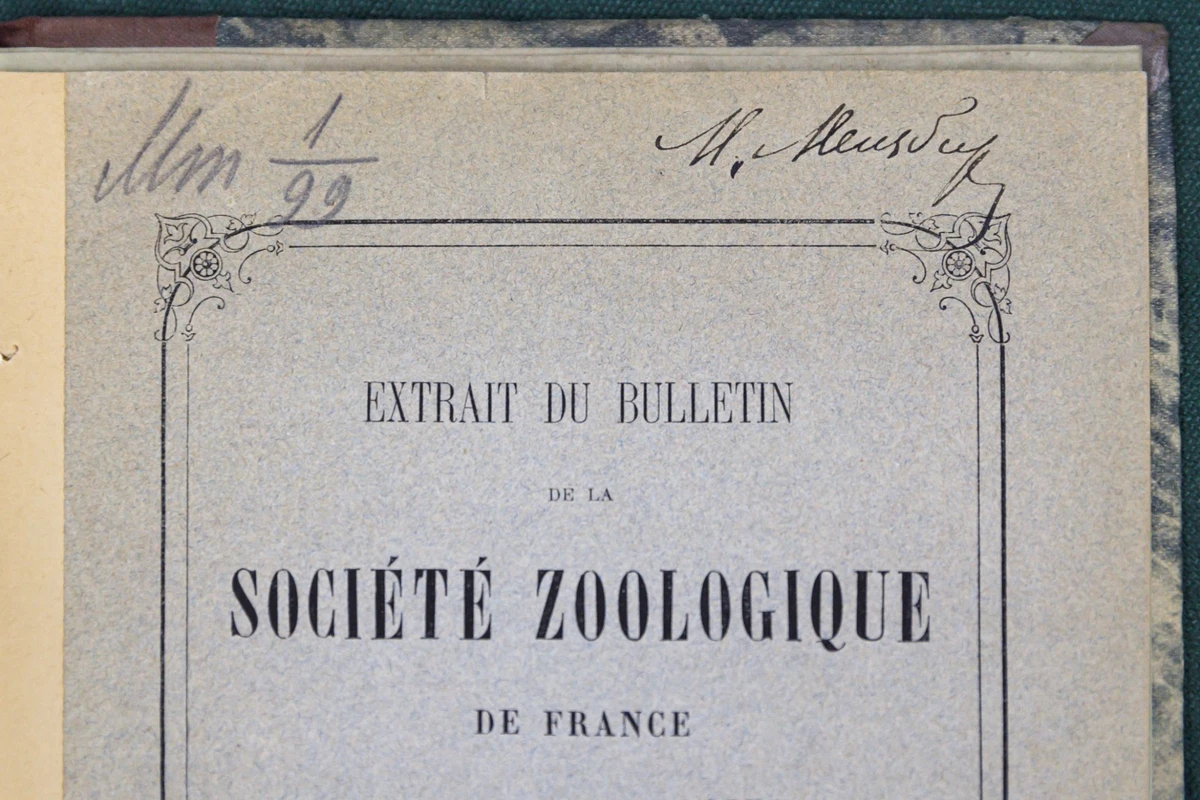
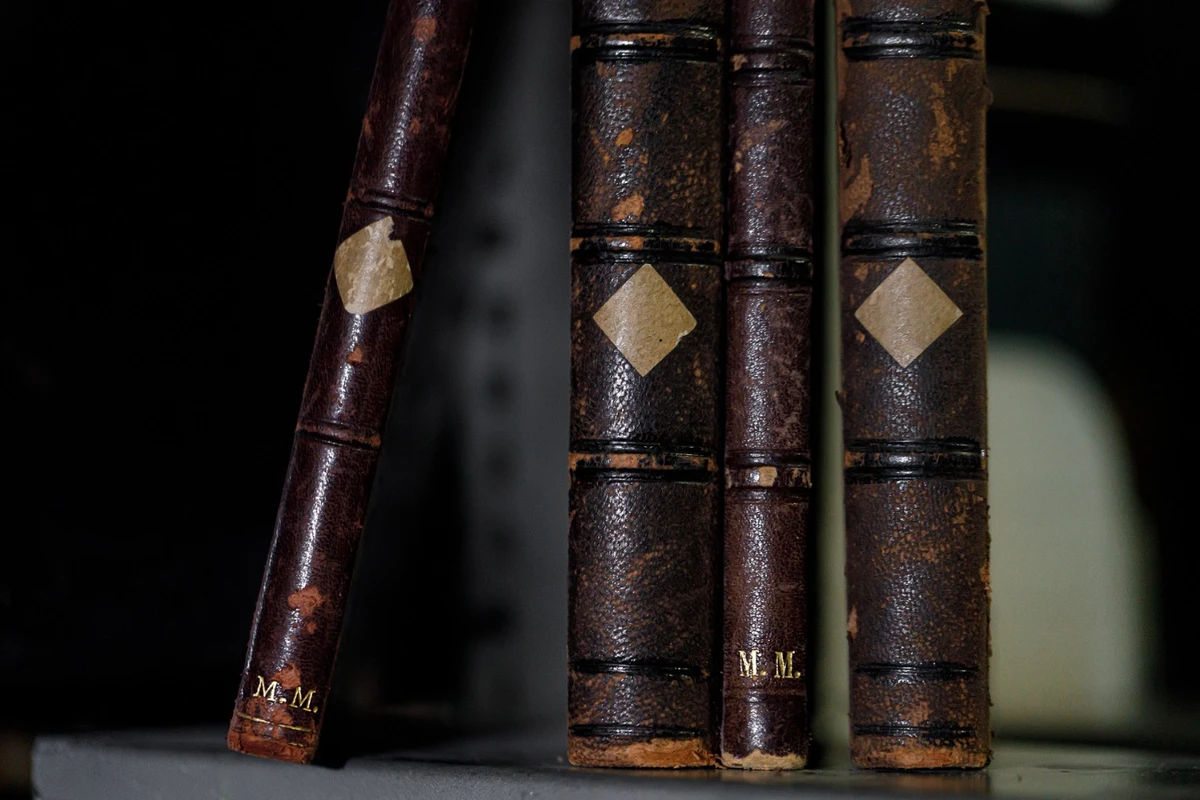
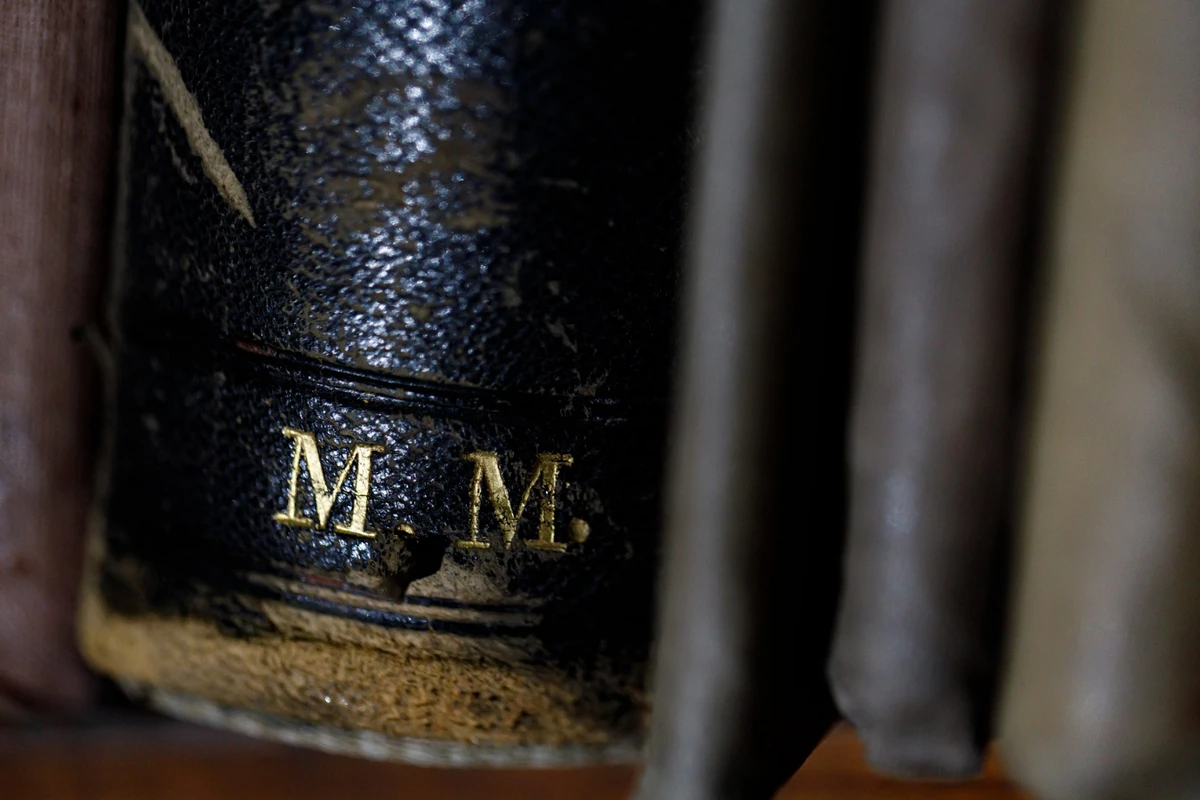
Books from Menzbir’s library are recognizable by the gold embossing «M. M.» on the spines and a white diamond‑shaped sticker. Many books have notes from the scientist himself in the margins — this is his dialogue with the text. In addition, the owner’s autograph can be seen in the upper right‑hand corner of the title pages.
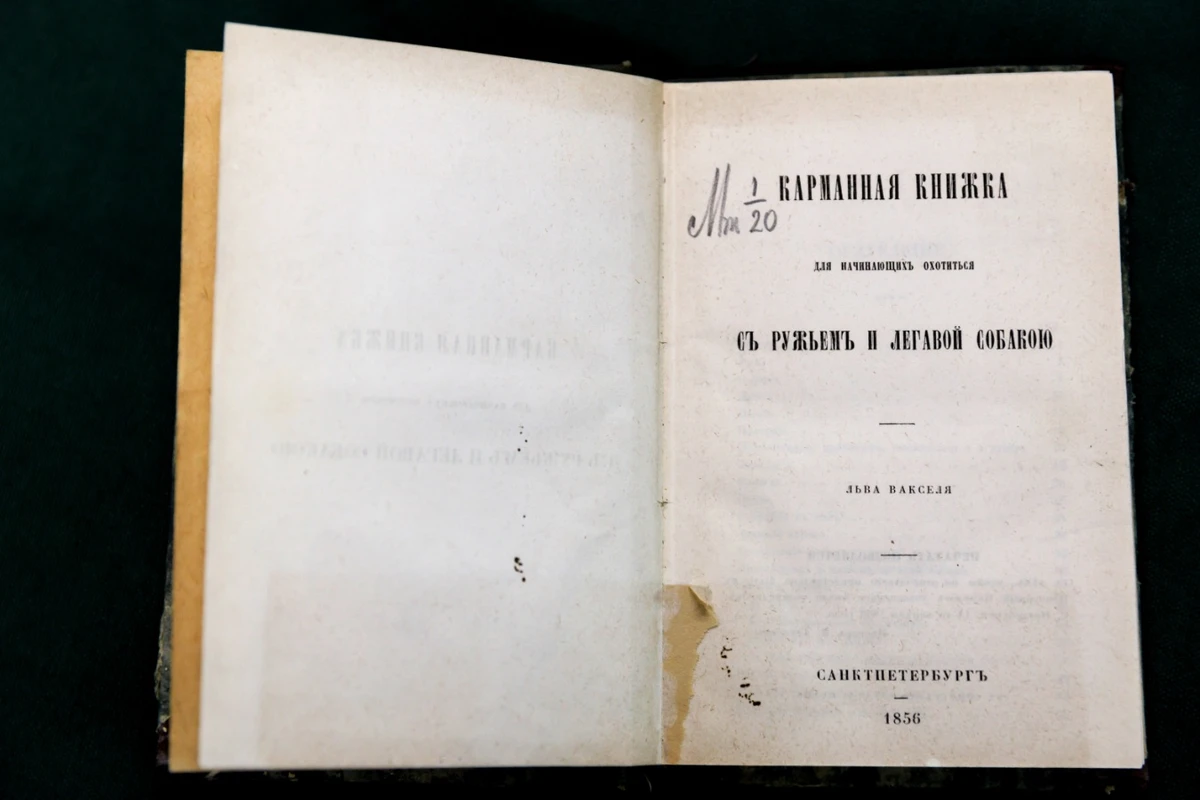
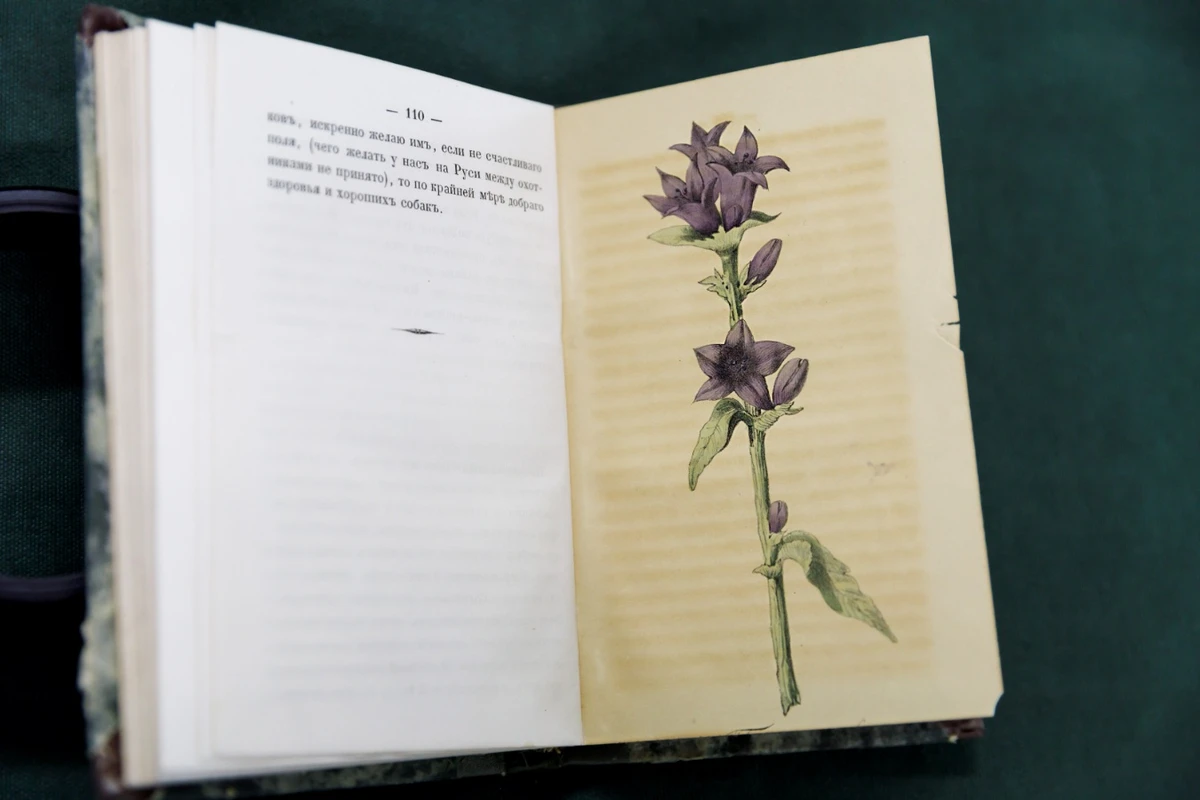
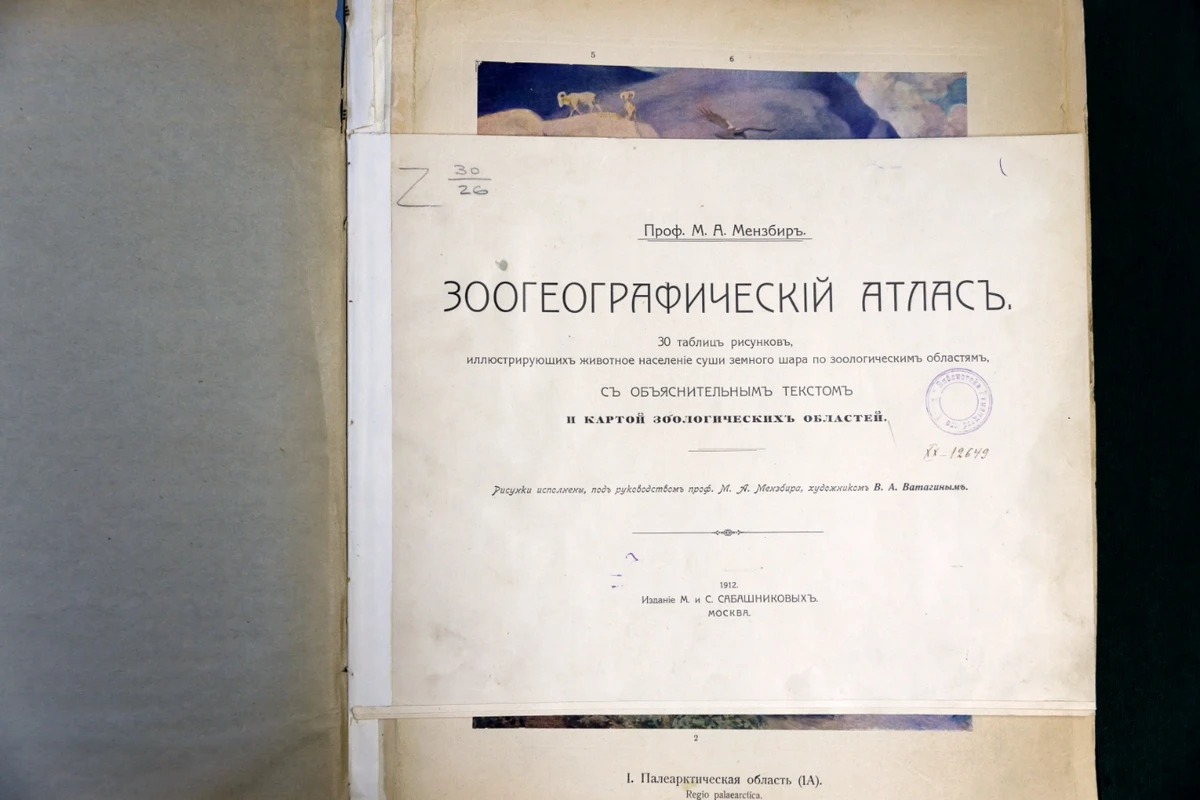
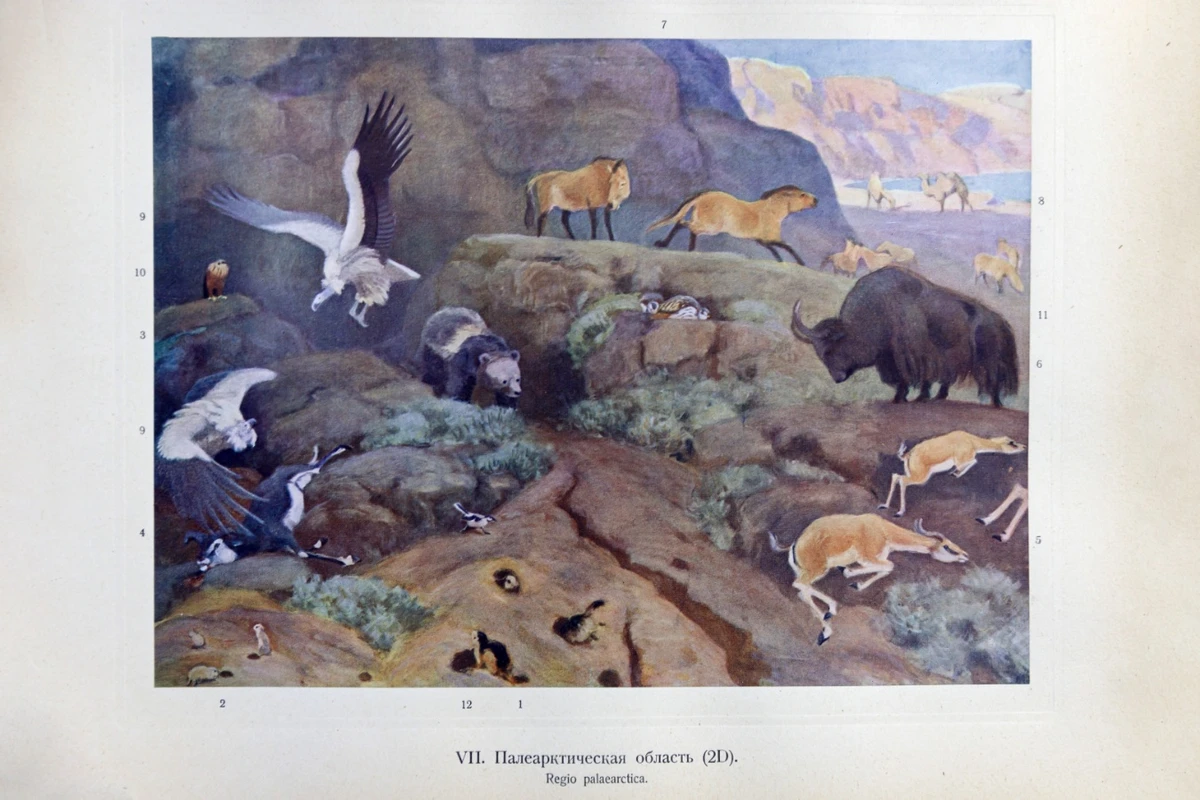
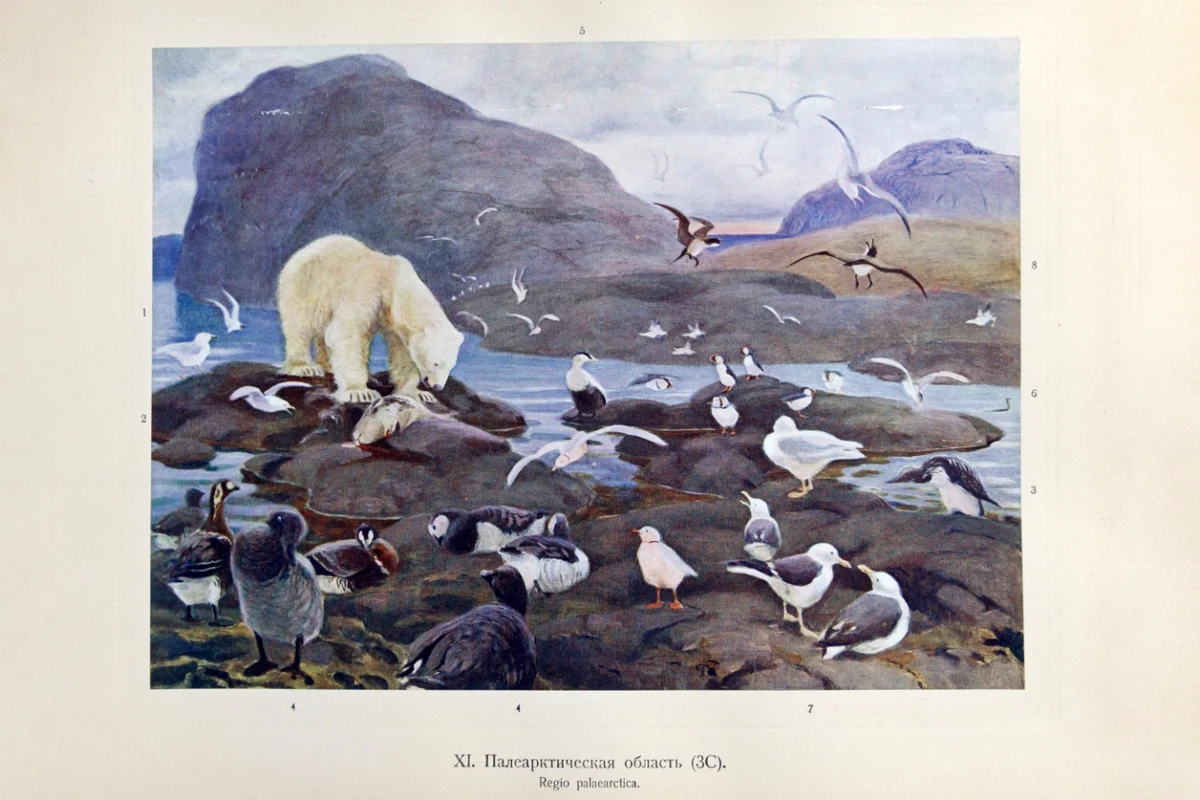
Among the books in the collection is «Pocketbook for Those Beginning to Hunt with a Shotgun and a Pointing Dog», published in 1856. It covers the specifics of hunting, the appropriate attire for a hunter, and the training of a dog; then, quite unexpectedly, one finds an illustration of a small bell—delicate and refined. Where it came from is a mystery that the readers can solve for themselves: a clue is hidden within the book itself. Another volume is the well‑known «Zoogeographical Atlas» featuring illustrations by the artist Vasily Alexeyevich Vatagin, along with accompanying text and maps of various regions.
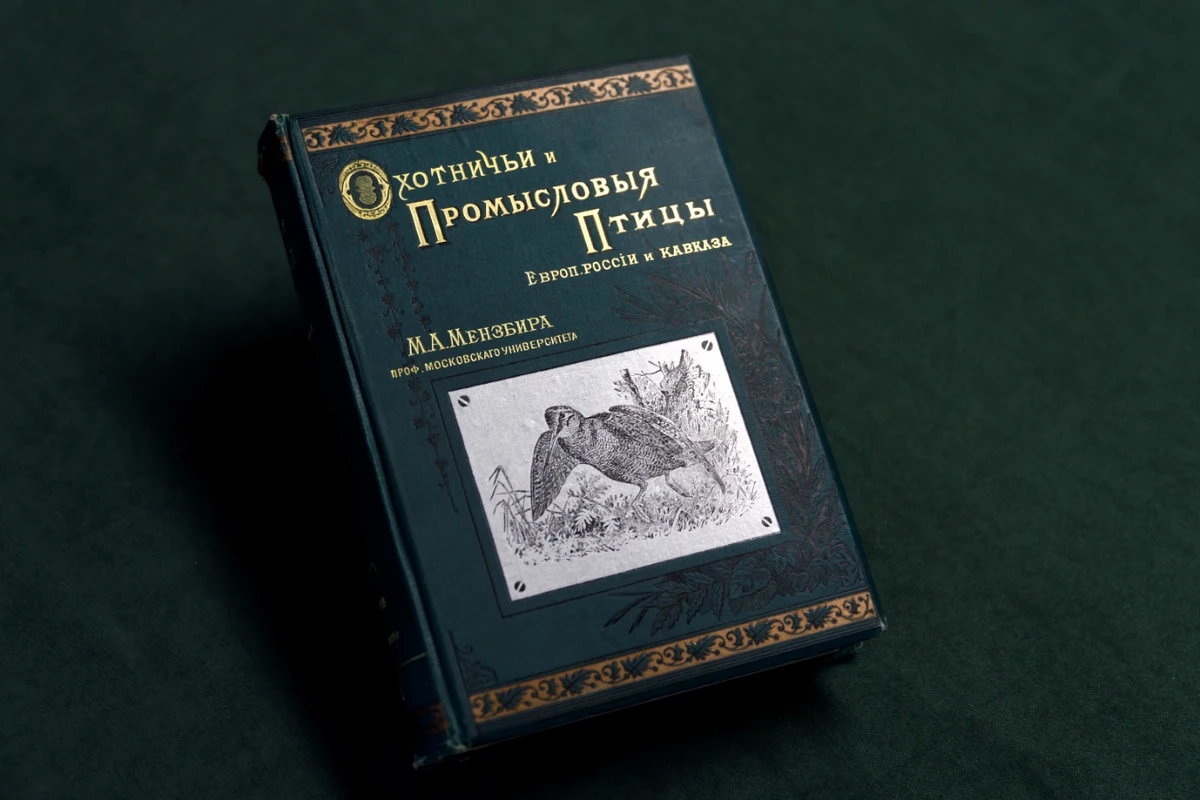
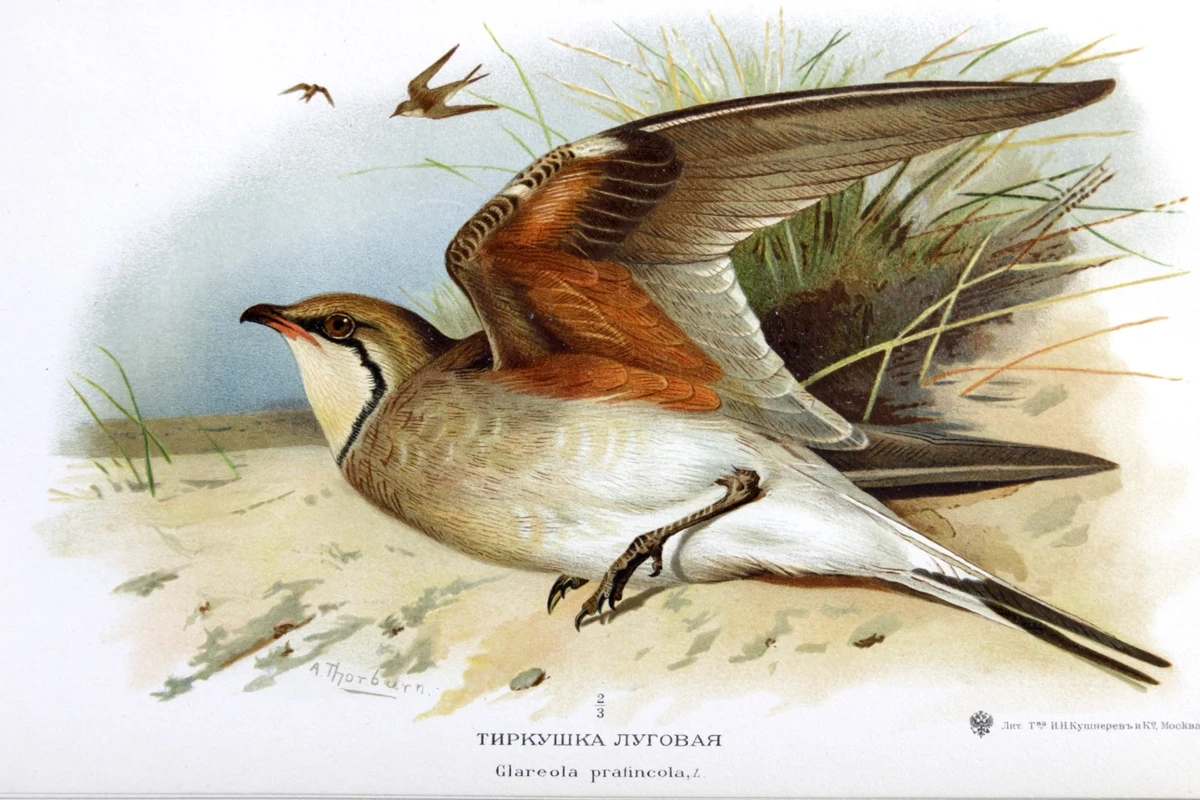
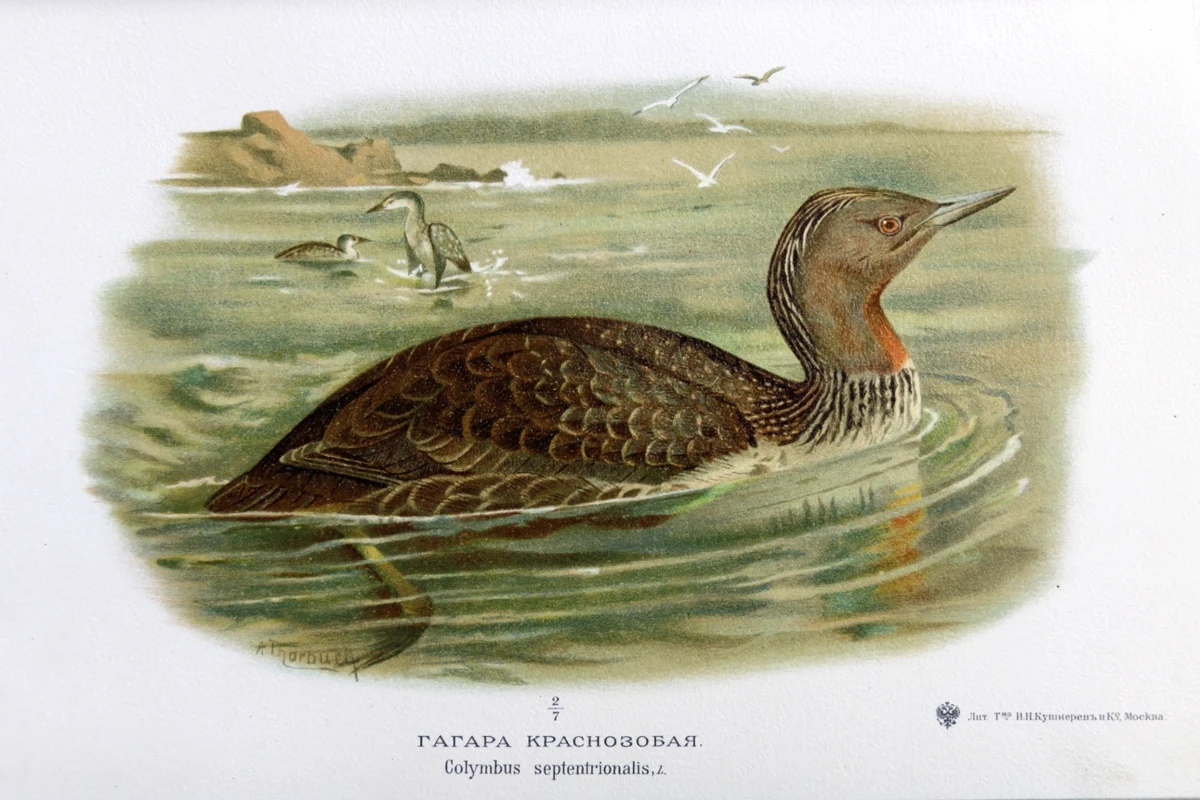
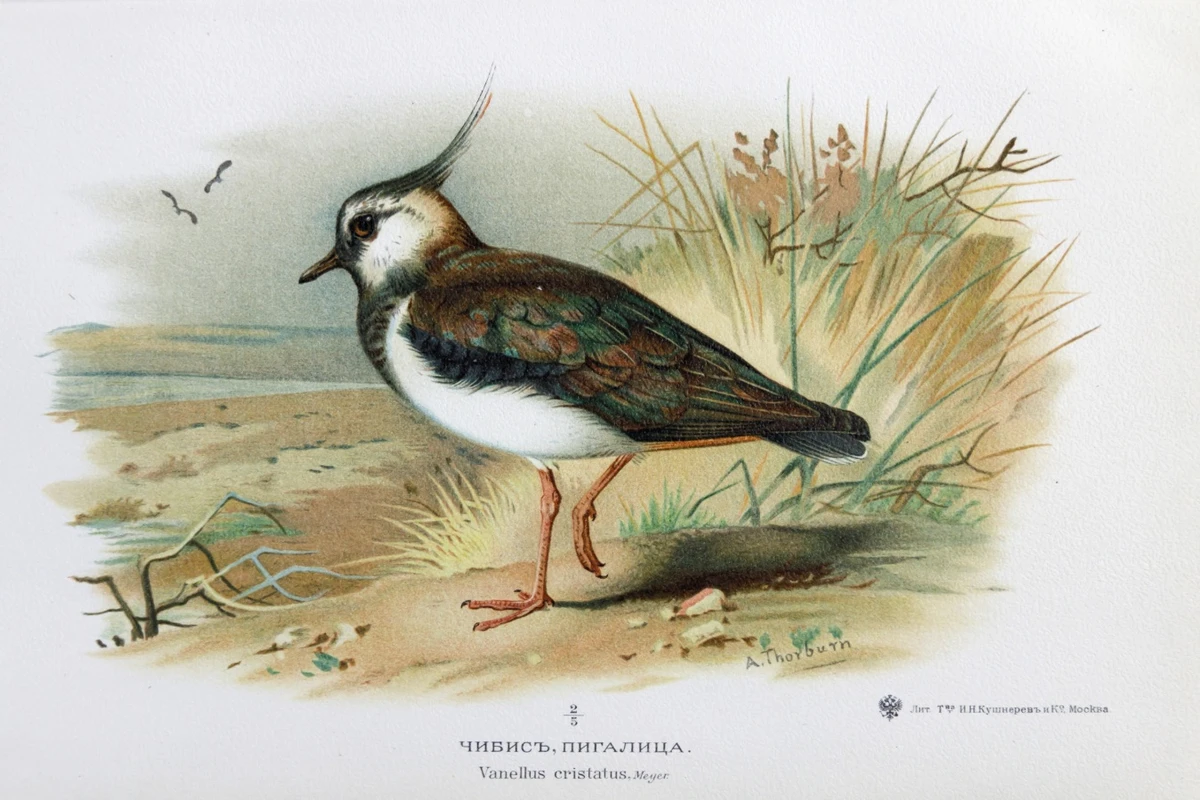
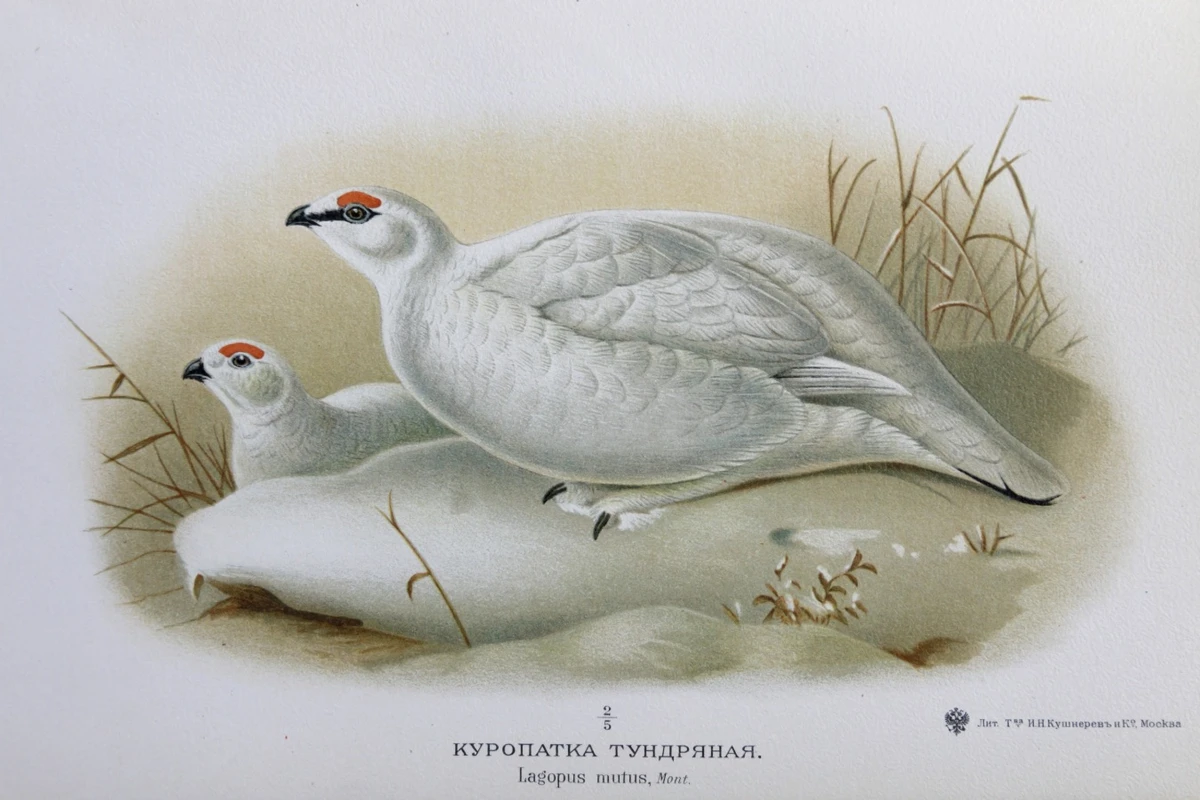
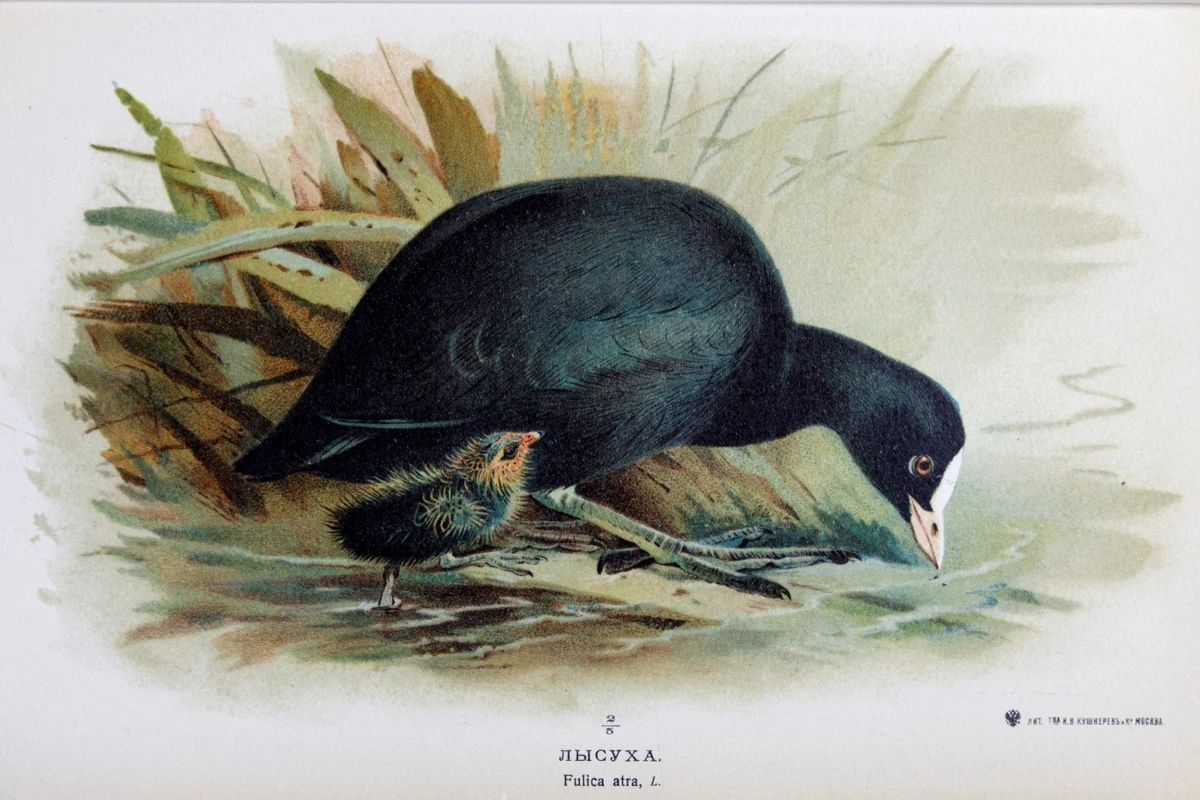
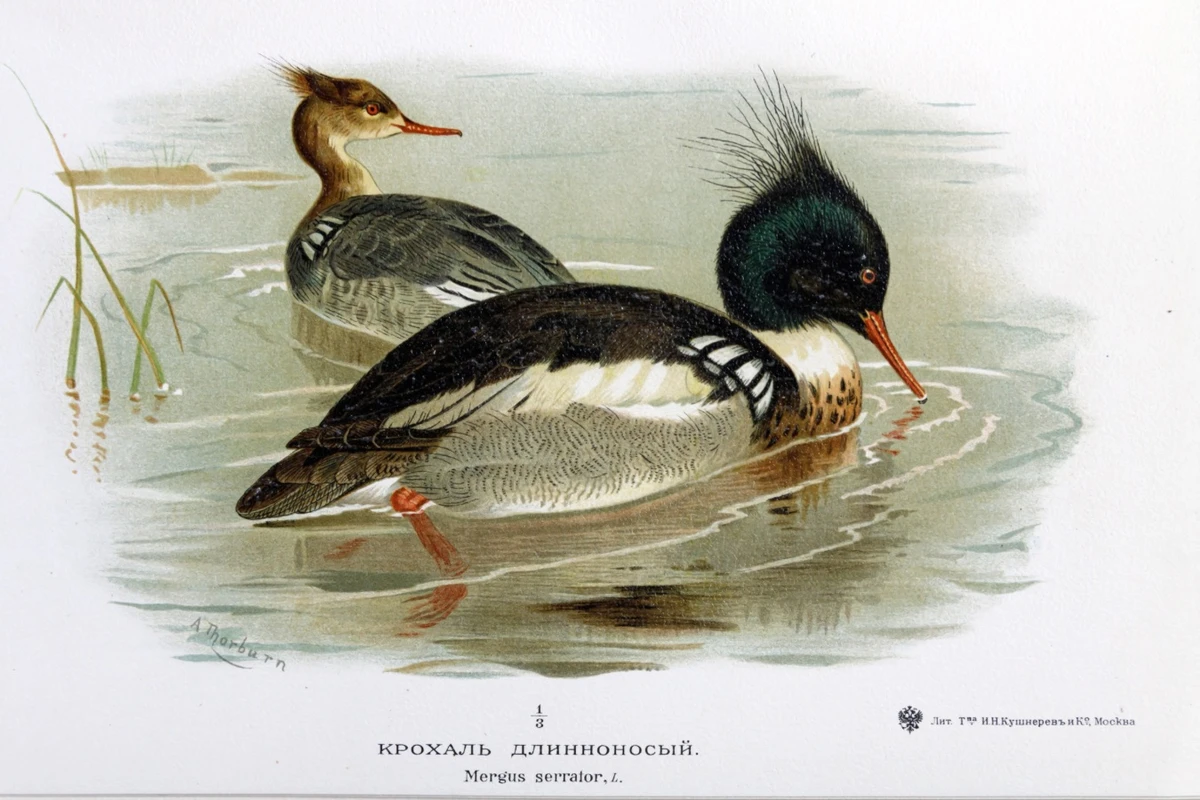
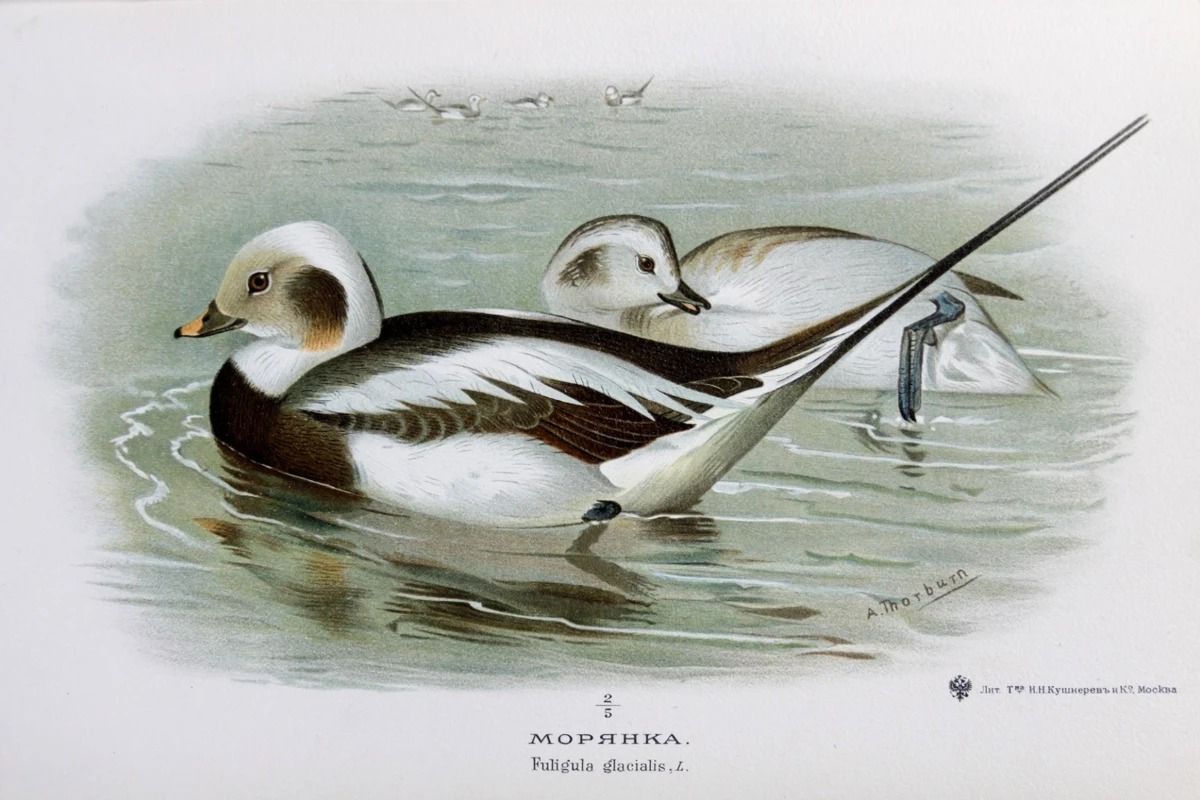
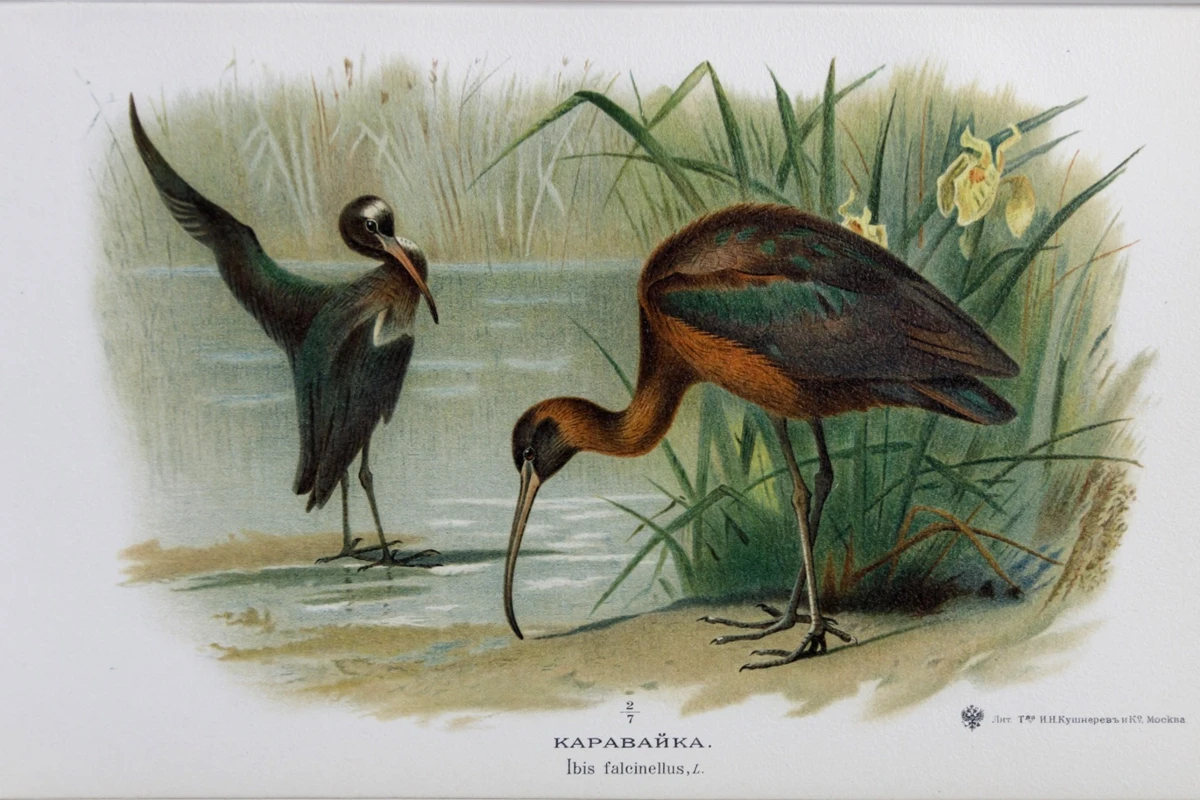
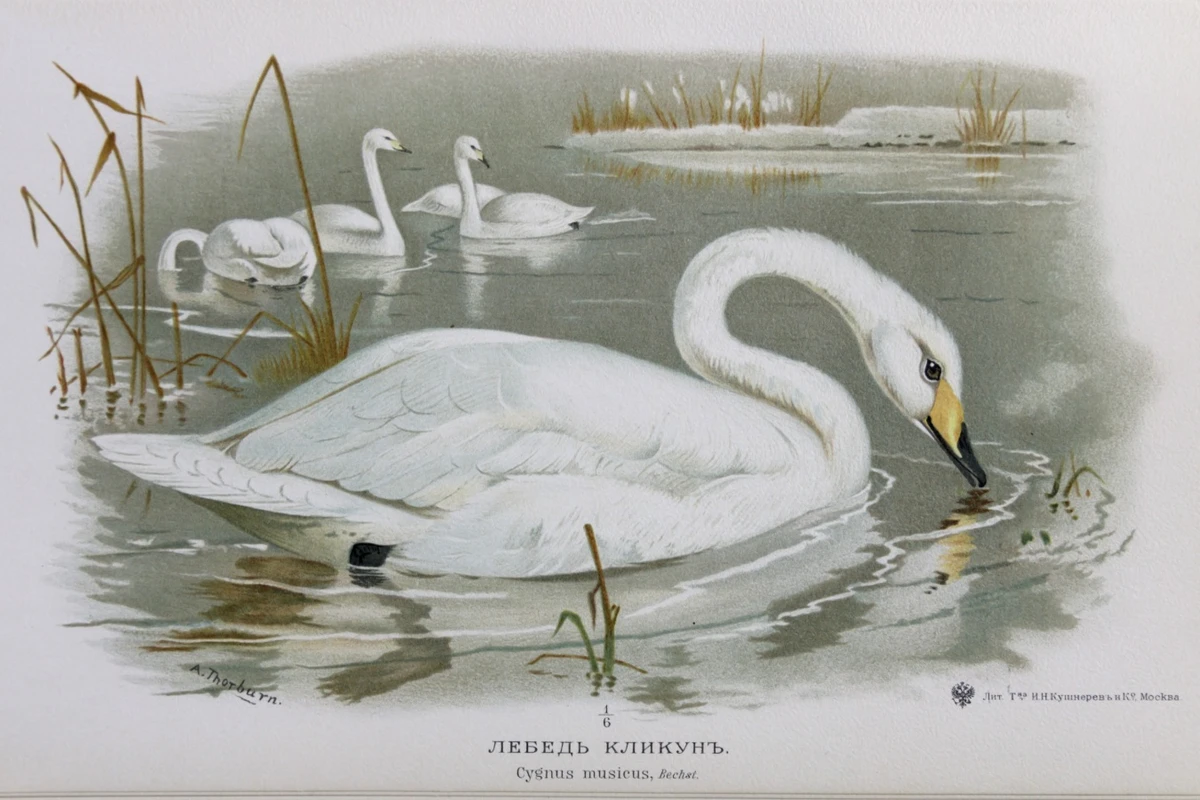
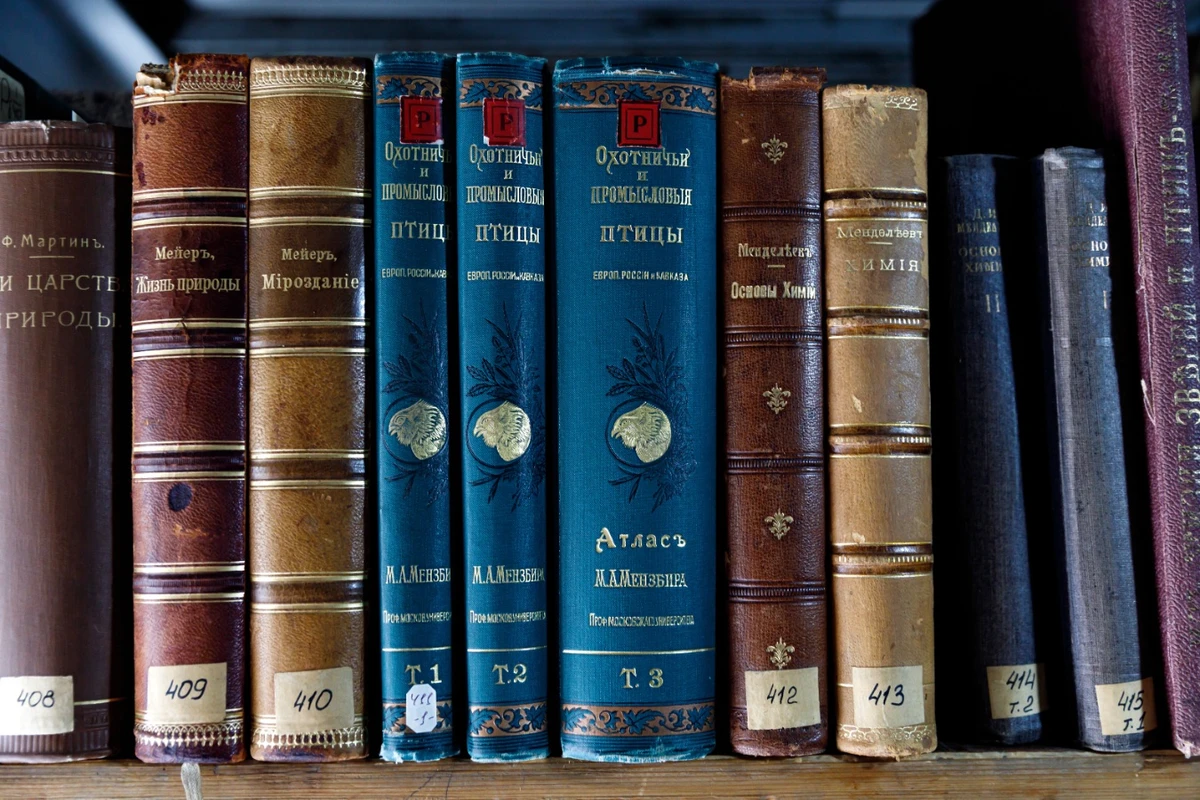
The magnificent three‑volume work «Game and Commercial Birds of European Russia and the Caucasus», though held in a different collection (Nikolay Rubakin one) is also directly linked to Menzbir, as he is the author of these books. One of the volumes is an atlas featuring exquisite drawings of birds. These illustrations represent the most beautiful aspect of Menzbir’s scientific legacy, and we present them here in particular detail.
The Mikhail Chuvanov Collection
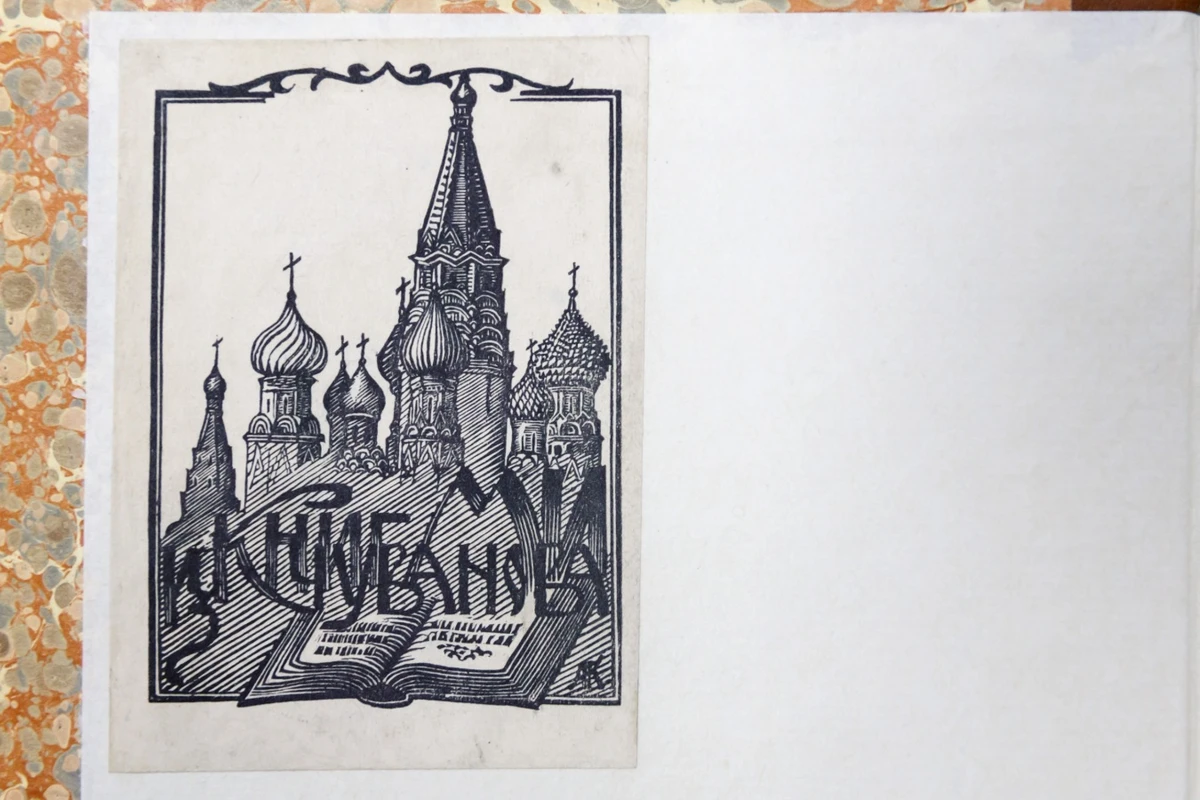
Mikhail Ivanovich Chuvanov (1890−1988) led a truly remarkable life. A typesetter by trade, he rose to become a manager of printing houses, yet he considered the collecting of books to be his life’s primary calling. He was a member of the Russian Society of Friends of the Book, the «Old Moscow» society, and the Moscow Exlibris Club. His great passion was the history of Moscow.
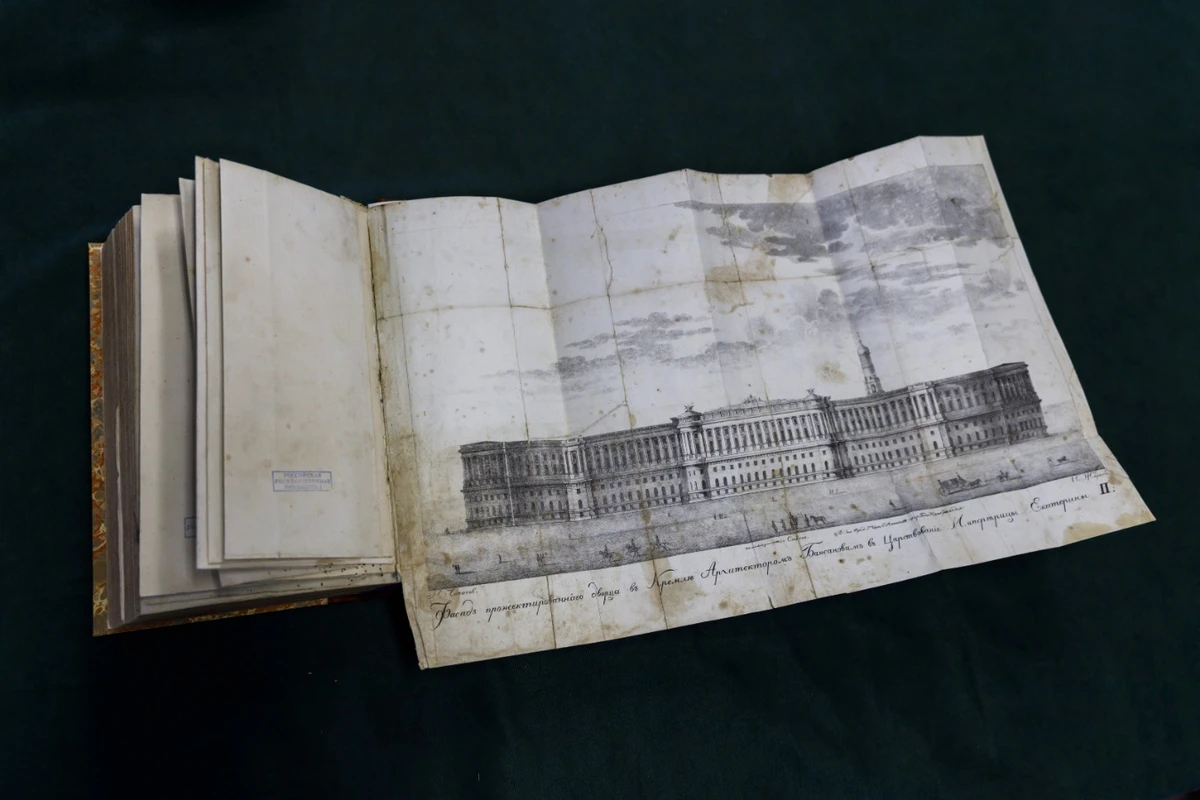
Chuvanov’s collection includes more than 750 books on the history and architecture of Moscow, published from 1763 to 1978. Rare guidebooks, plans, albums, engravings and even sets of postcards — Mikhail Ivanovich collected everything that helped to see the Moscow of the past.
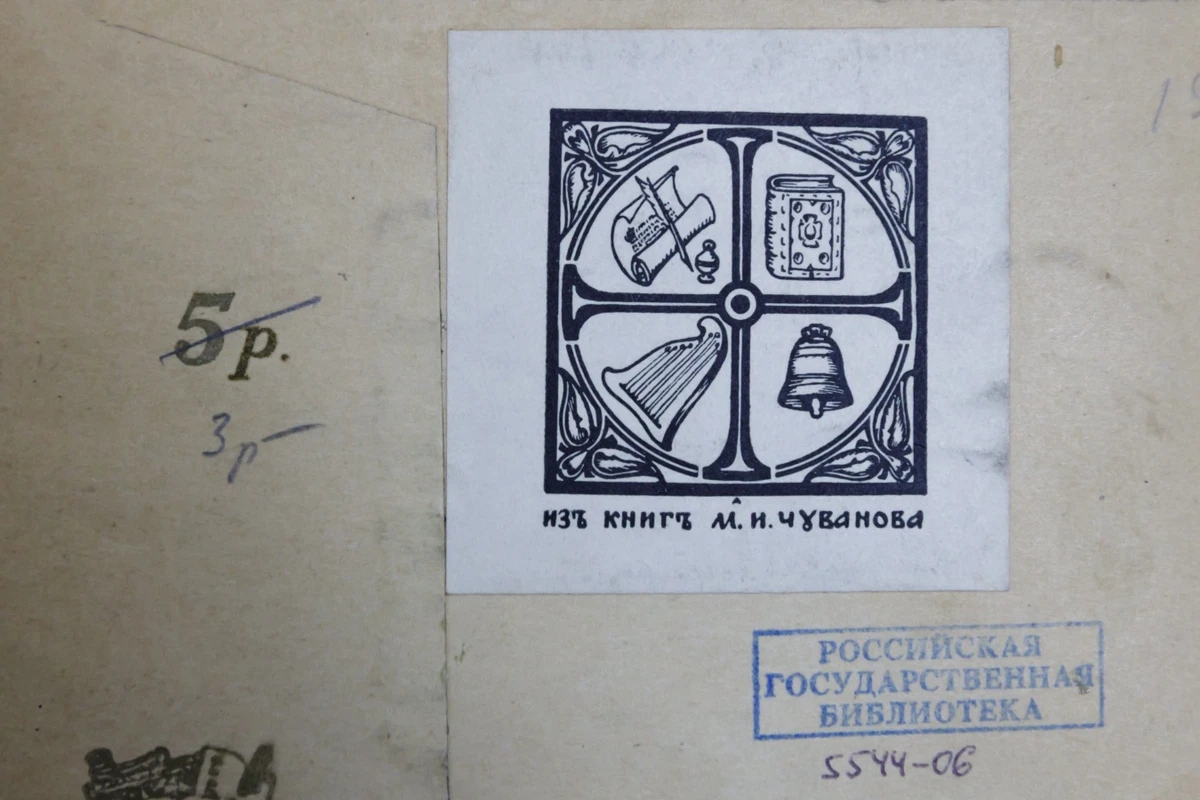
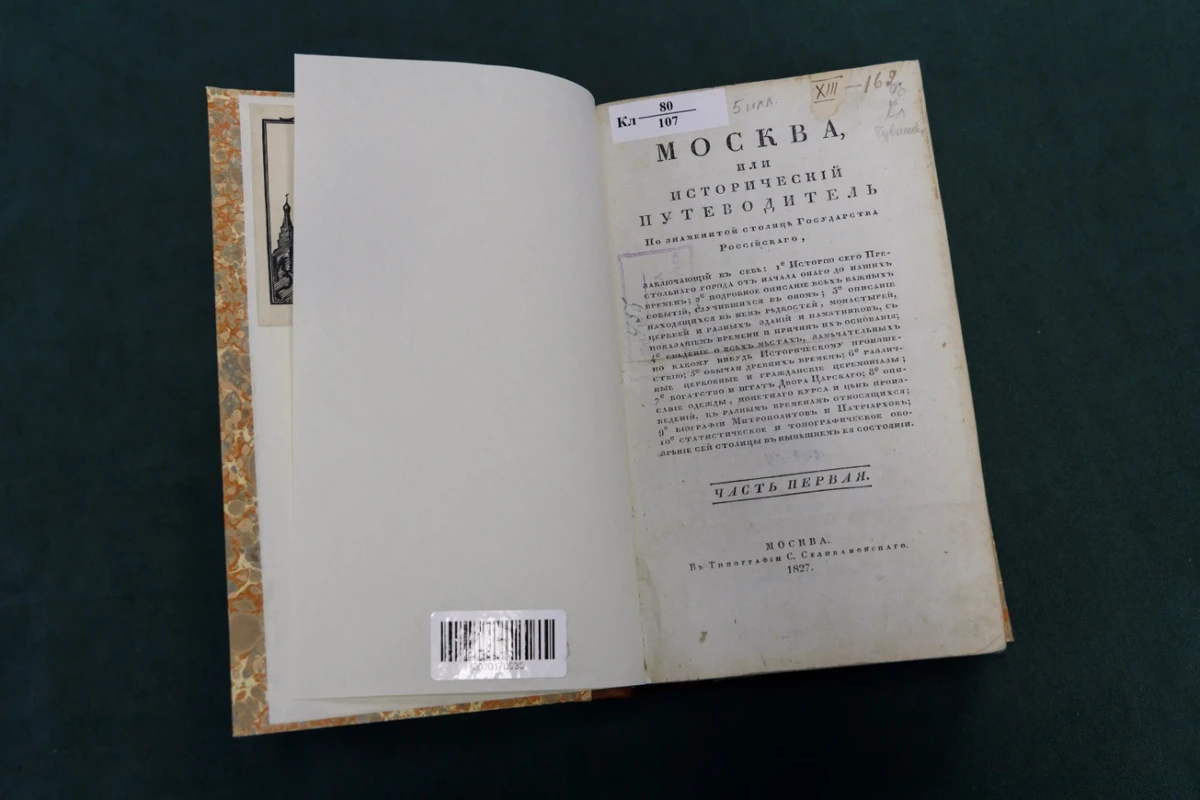
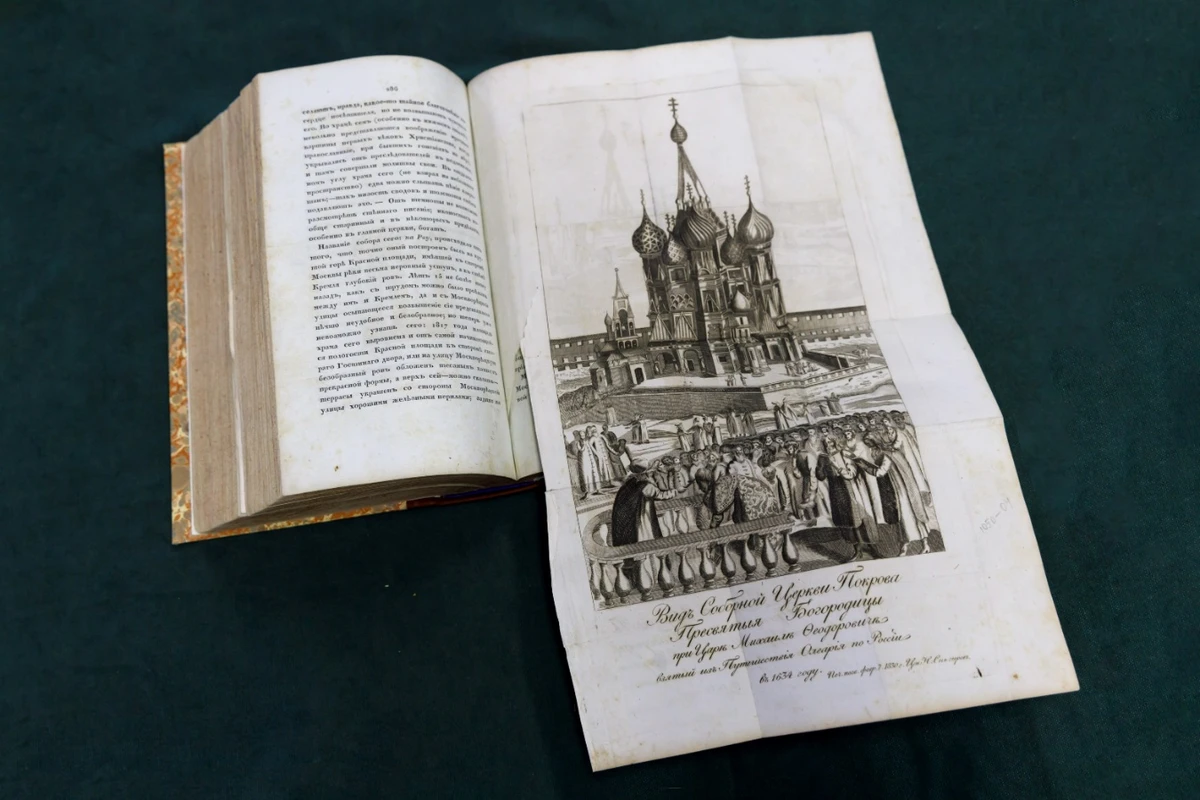
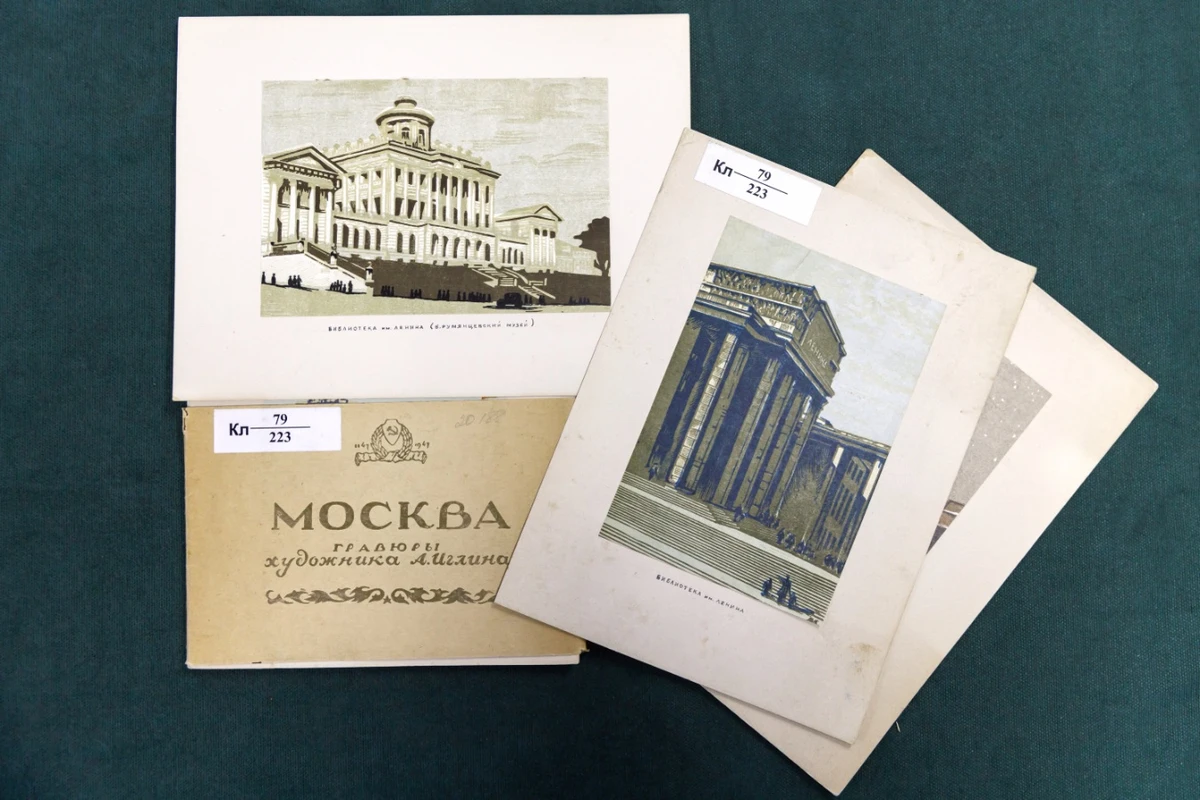
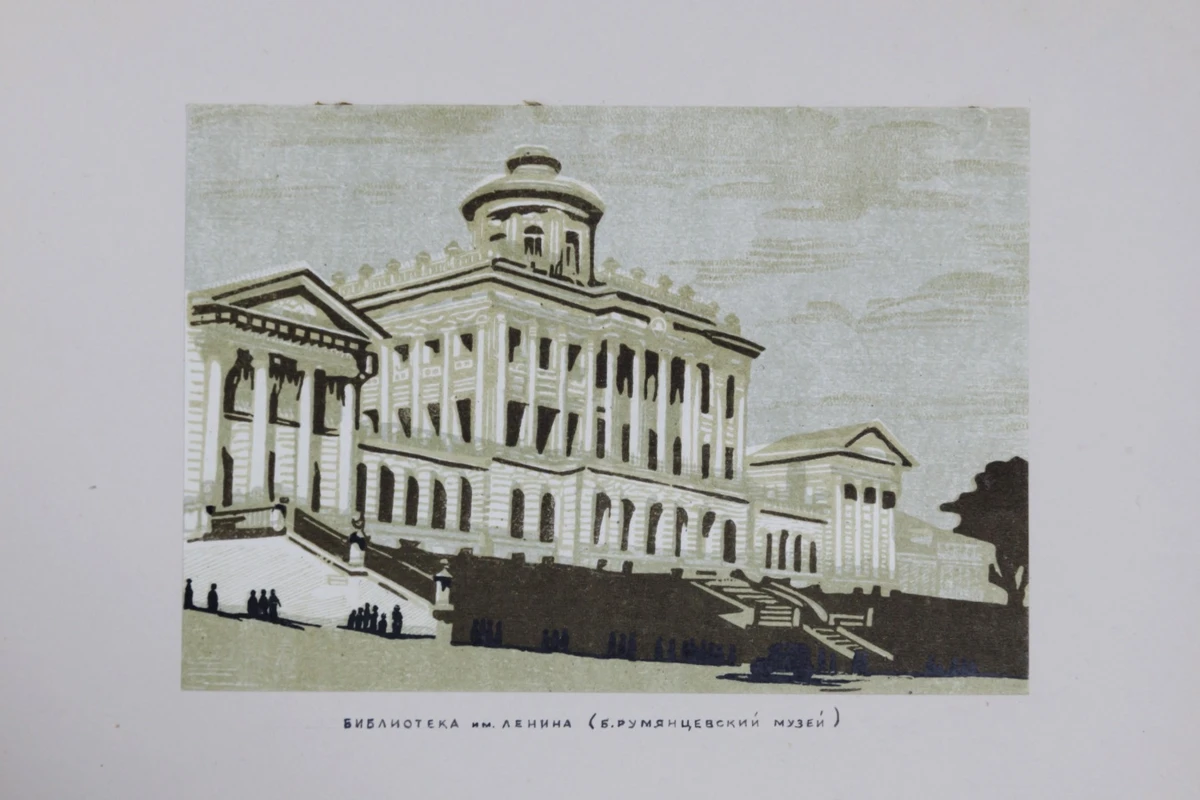
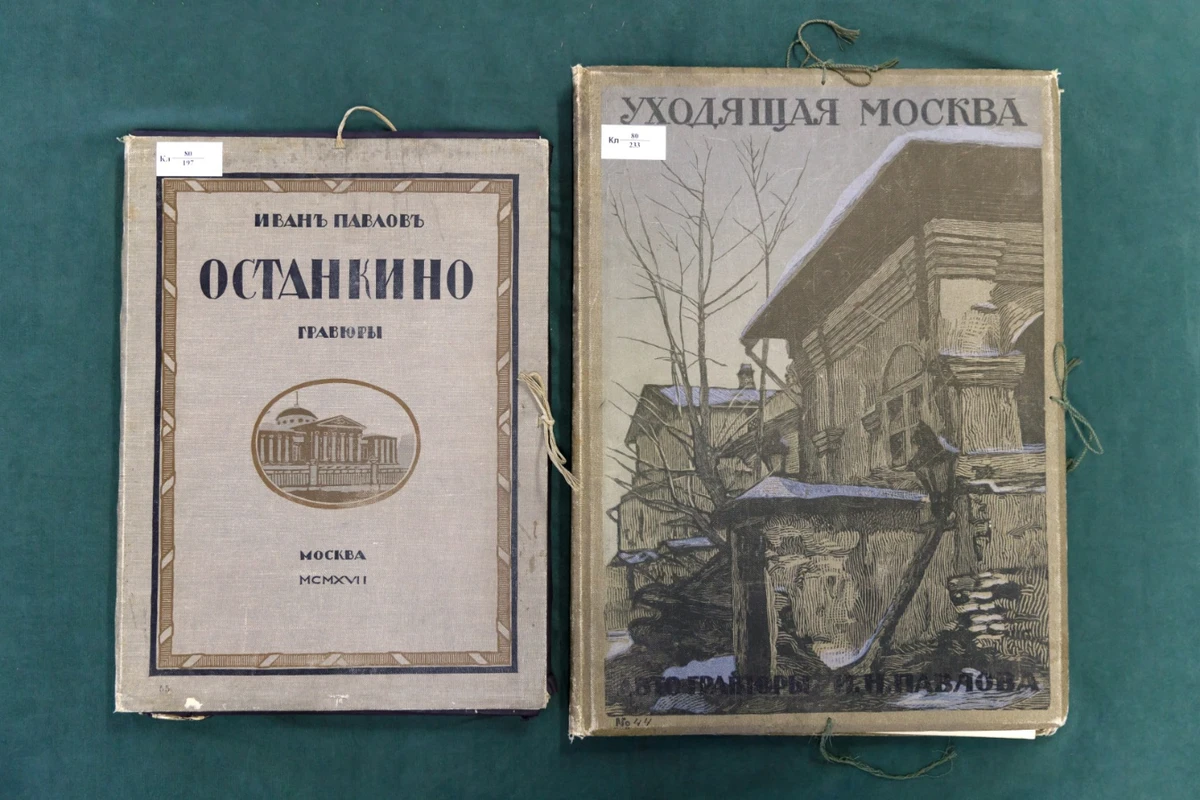
Chuvanov’s bookplates deserve special attention. The collection includes six types of bookplate as well as various stamps bearing his name. The engravings in the «Historical Guide to Moscow» (1827) offer glimpses of the old capital. A set of postcards titled «Moscow», featuring engravings by Alexander Iglin (1947), includes depictions of the Pashkov House and the Russian State Library building. The exquisite engravings by Ivan Pavlov, found in the sets «Vanishing Moscow» (1915) and «Ostankino» (1917), are true treasures of the collection; they allow us to see the city just as the collector himself knew and loved it.
Nationalisation
During the years of the revolution and the Civil War, many private libraries were at risk of destruction. To preserve them, they were removed from country estates, gathered from across the country, and sent to Moscow. Today, we safeguard these books, restore the names of their original owners, and reconstruct the history of these collections.
The Romanovs’ Collection
Following the 1917 revolution, the book collections of the Imperial family were nationalised and subsequently distributed among state repositories. In 1925, the process of dispersing these collections began. Several thousand volumes were transferred to the Lenin Library, while others went to the Hermitage and the State Public Library in Leningrad (now the National Library of Russia). Many editions were sold abroad, and approximately three thousand items from the Imperial collections are now held by the New York Public Library.
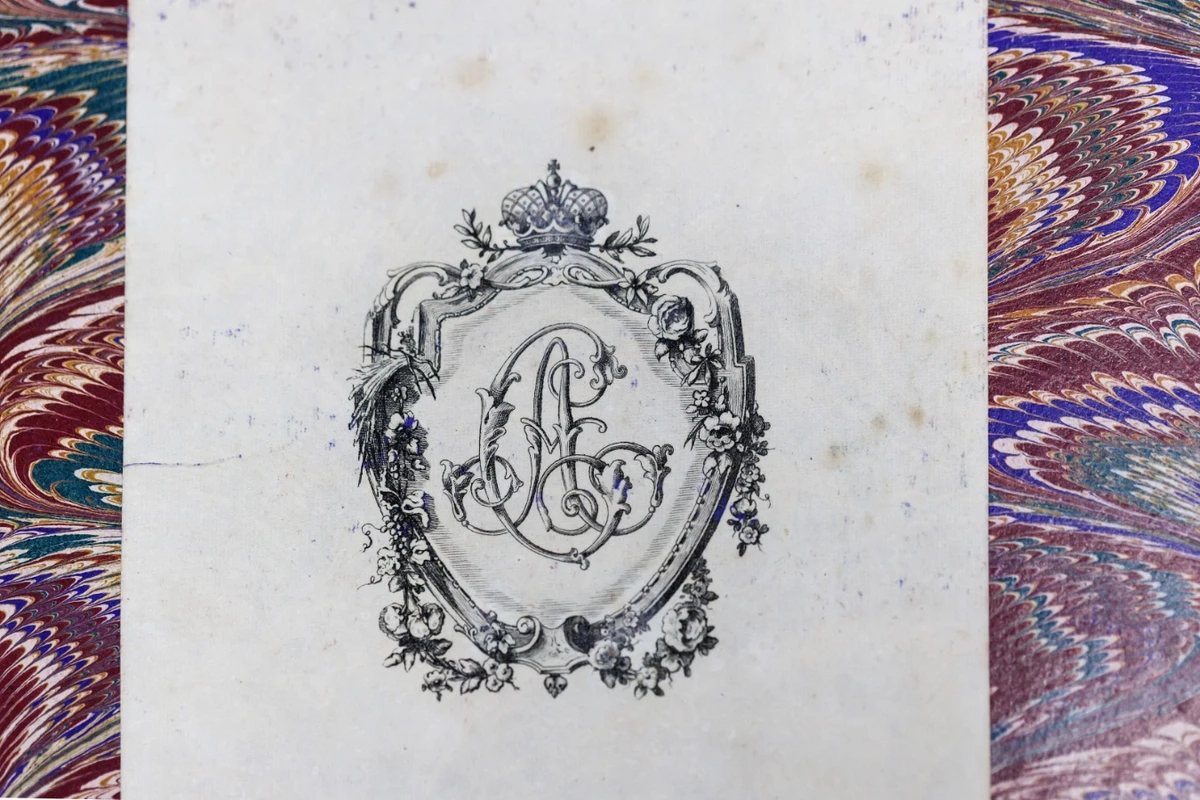
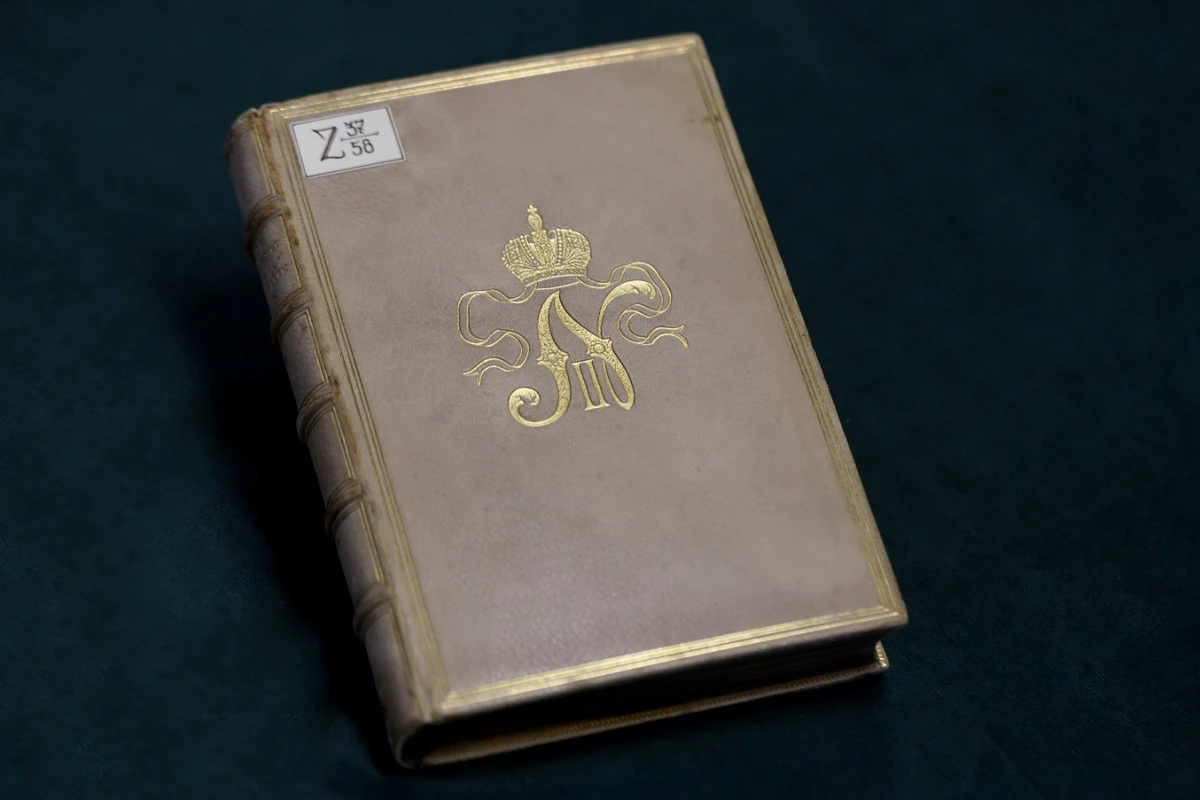
The Russian State Library holds books that once belonged to various members of the Romanov dynasty. Many of these have been catalogued and digitised, and can be viewed on the National Electronic Library: Book Monuments website. These volumes reflect the tastes and preferences of the era, offering insight into the sentiments and interests of the Russian aristocracy during the 18th and 19th centuries. The collections encompass works across a wide range of disciplines, including geographical atlases, albums featuring hand‑coloured engravings, historical treatises, encyclopaedias, memoirs, and much more. Of particular historical and scholarly interest are those volumes prepared specifically for the country’s rulers, covering topics such as domestic and foreign policy, the economy, and social life in Russia.
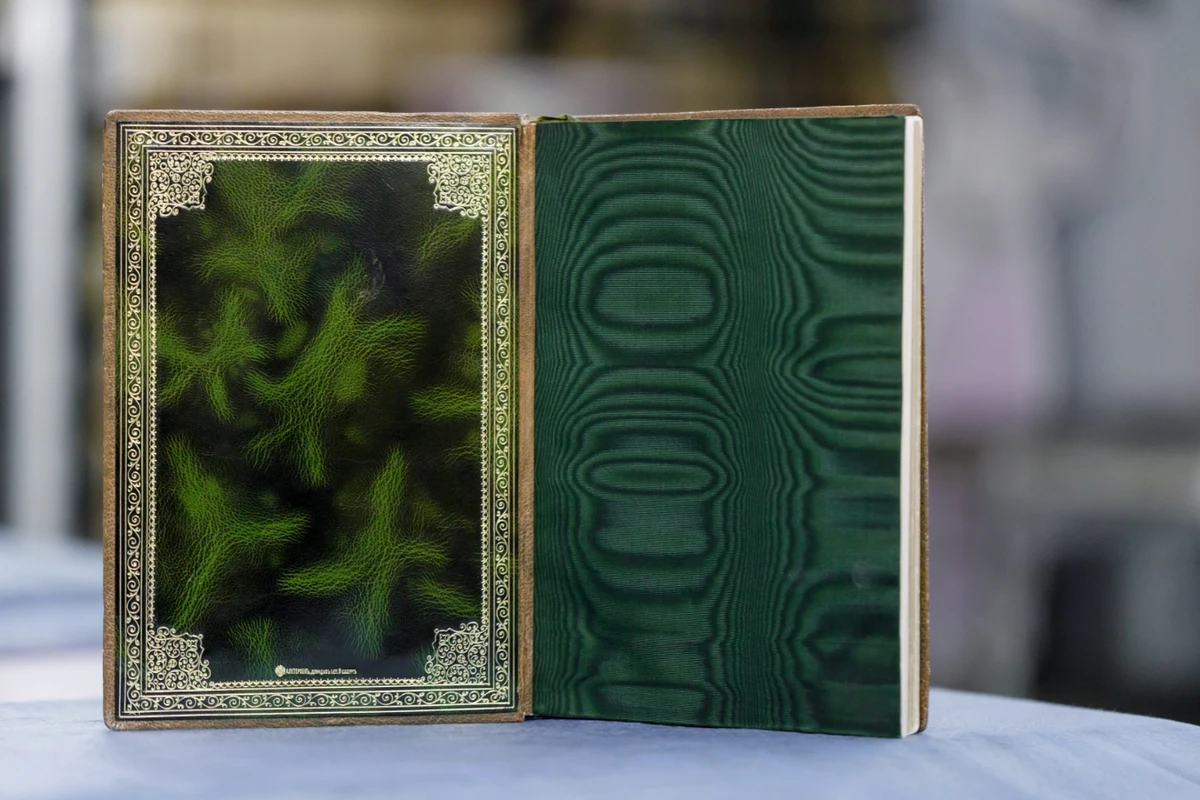
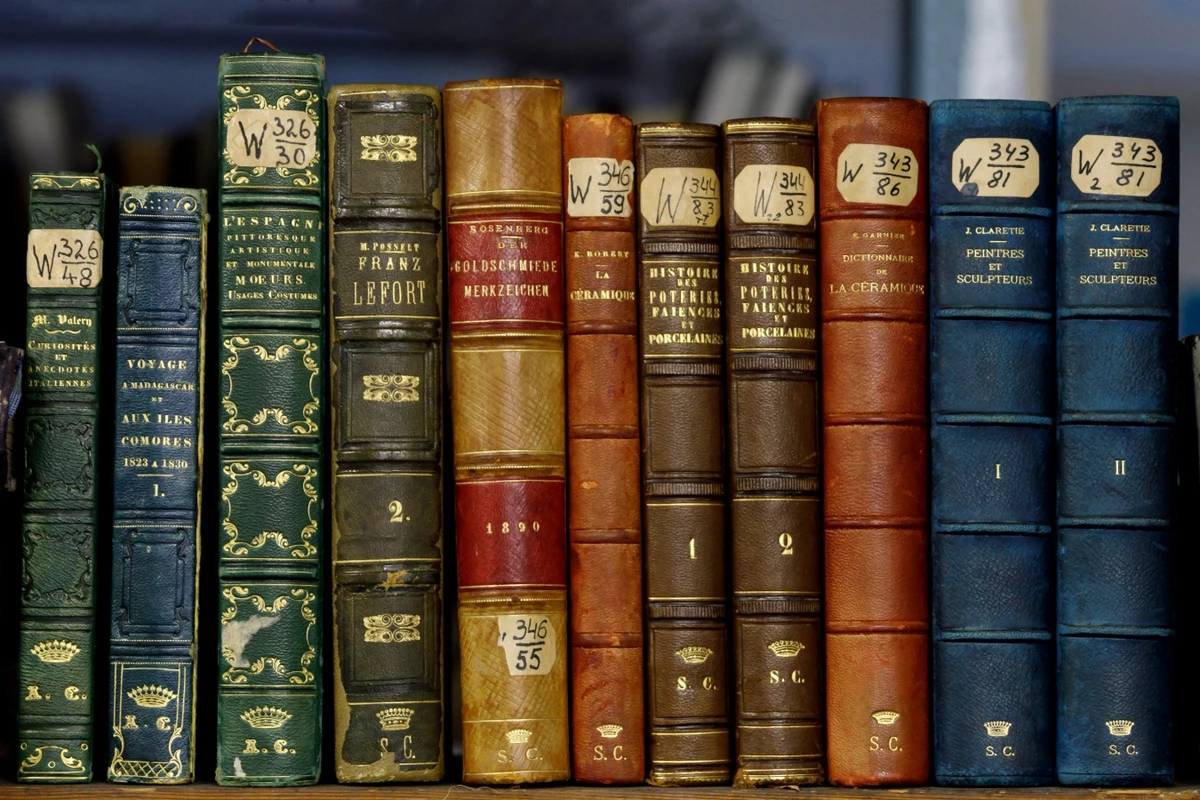
The books in the Romanovs’ collection are striking not only for their content but also for their appearance, featuring sumptuous bindings, gold tooling, and elaborate, gilded endpapers. Many volumes bear traces of their former owners: the bookplate of Grand Duke Sergei Alexandrovich can be found in a volume that came from the village of Ilyinskoye in the Moscow Governorate, while a super bookplate (an ownership mark stamped on the cover) appears on a book from the library of Nikolay II at Tsarskoye Selo. Each edition in this collection serves as a reminder of its previous owners and of an era when a book was considered a work of art.
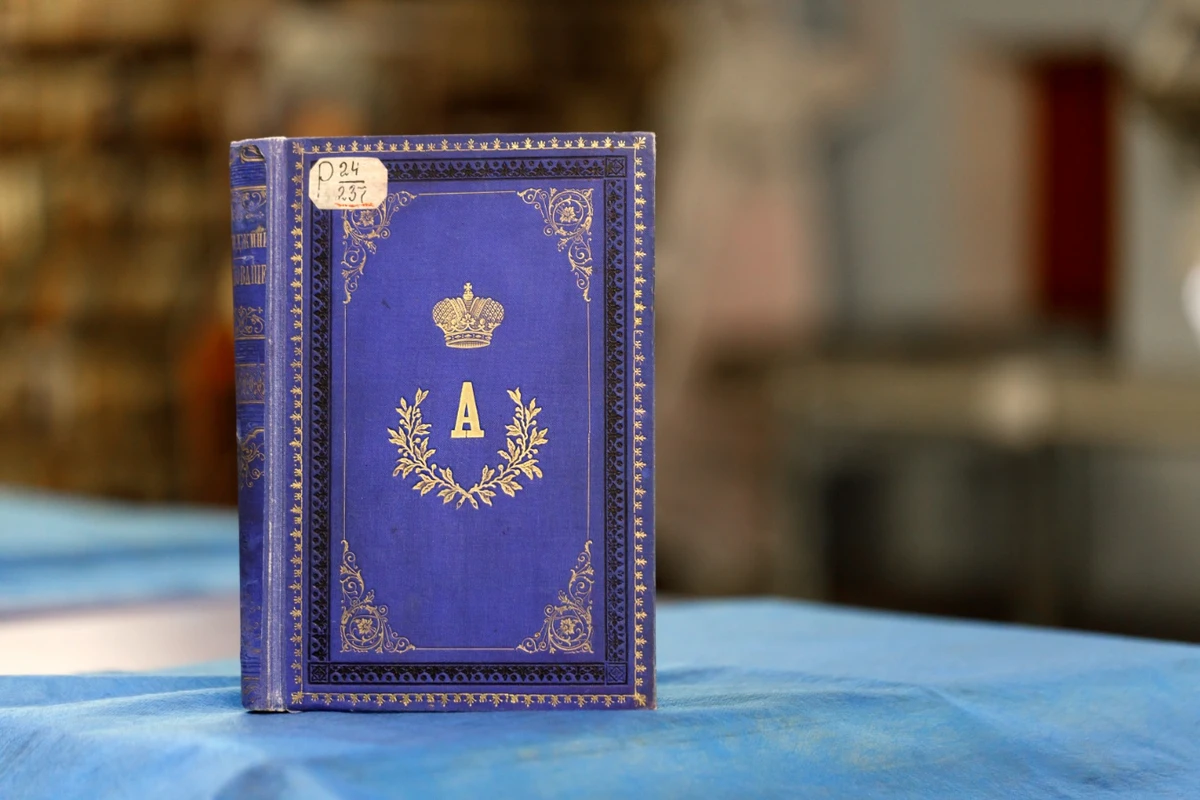
The Sheremetevs’ Collection
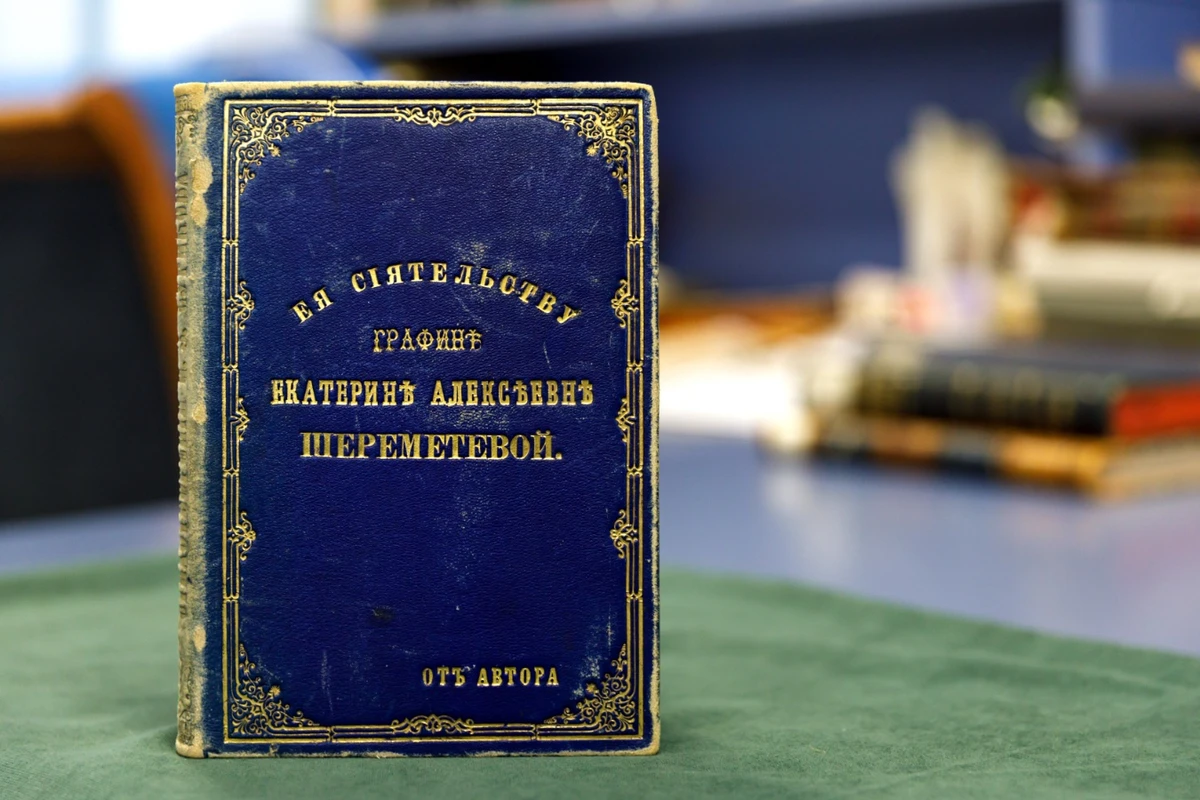
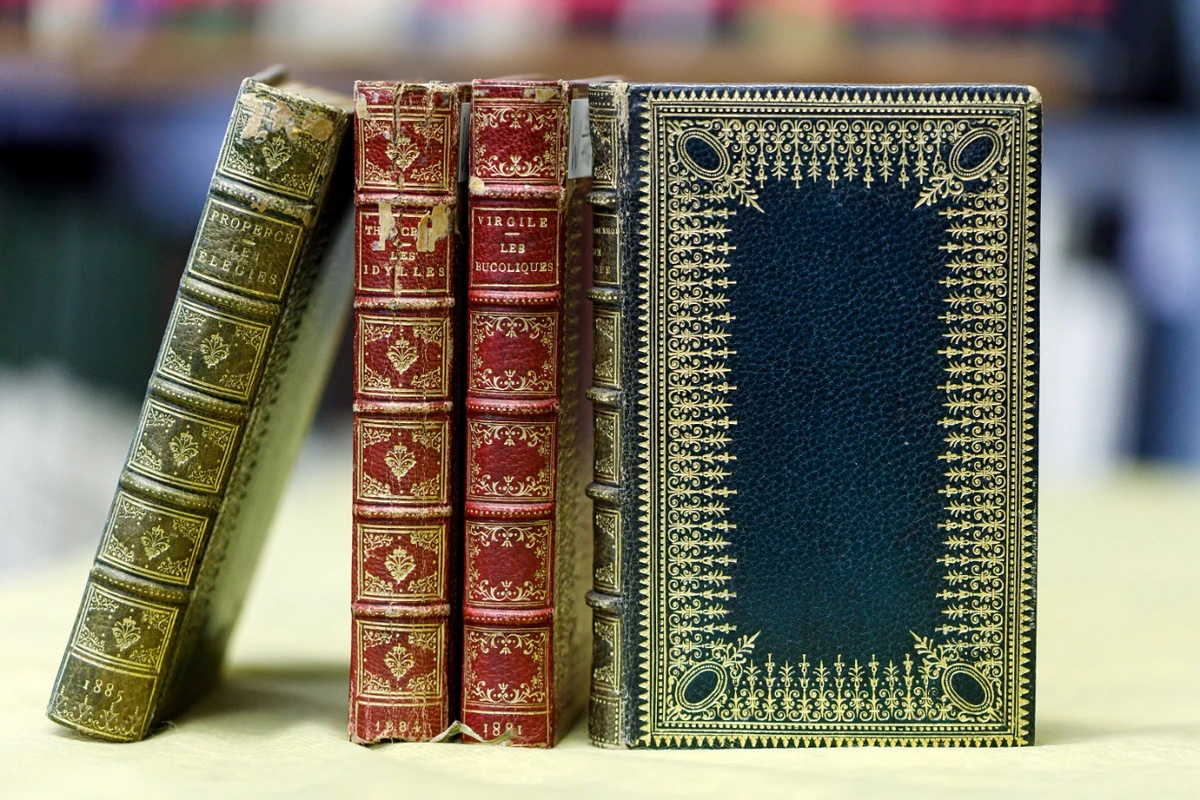
In 1921, the Rumyantsev Museum received a collection belonging to the Sheremetevs’, which had come from their estate of Mikhailovskoye, near Moscow. At this estate, Count Sergey Dmitriyevich Sheremetev (1844−1918) had assembled a library that included books belonging to three generations of the Sheremetev family, as well as the library of the writer Alexei Zhemchuzhnikov, which contained an extensive collection of books on art.
The Russian State Library holds about 4,000 items from this collection. They are dispersed across various departments and are not shelved together as a single, unified collection.
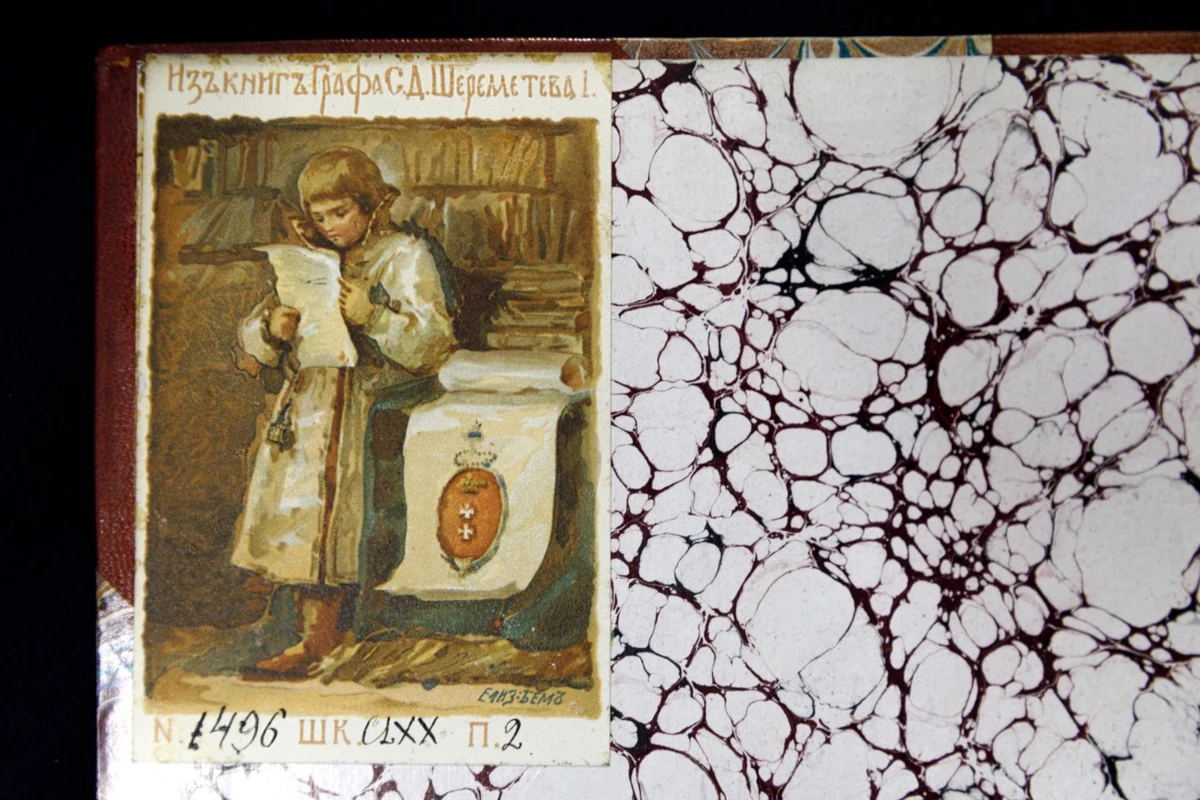
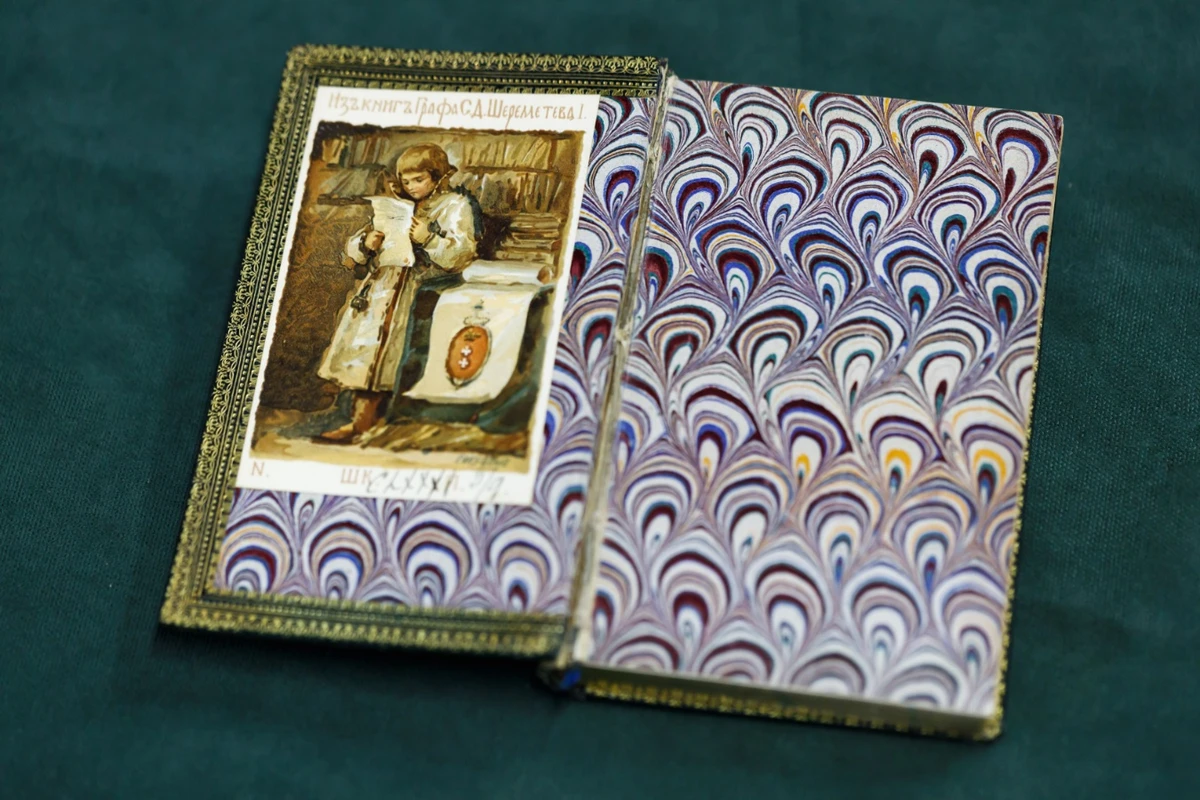
The books contain a bookplate — «From the books of Count Sergey Dmitriyevich Sheremetev» which was commissioned by the Count in 1902 from the renowned artist Elizaveta Bohm. It is executed as a colour chromolithograph in shades of brown, gold, green, and red. It depicts a boy in traditional Old Russian attire reading, with a scroll bearing the Sheremetev family coat of arms resting on a table beside him. This is one of the most famous examples of a bookplate created as a true work of art. Another distinctive feature of the collection is its beautiful, well‑preserved bindings.
The Pavel Shibanov Collection
Pavel Petrovich Shibanov (1864−1935) was an antiquarian bookseller and expert on early printed Russian books and rare editions; he was a member of the Russian Bibliographical Society at Moscow University; he compiled approximately 300 catalogues of antiquarian books and possessed an unparalleled knowledge of the book market.
In 1919, the collection of books, manuscripts, and engravings belonging to Shibanov was nationalised and transferred to the Rumyantsev Museum. This vast library, comprising over 200,000 items from his shop, warehouses, and personal collection, became part of the state holdings. Today, it is partially scattered throughout the collection on the 17th tier of the book depository.
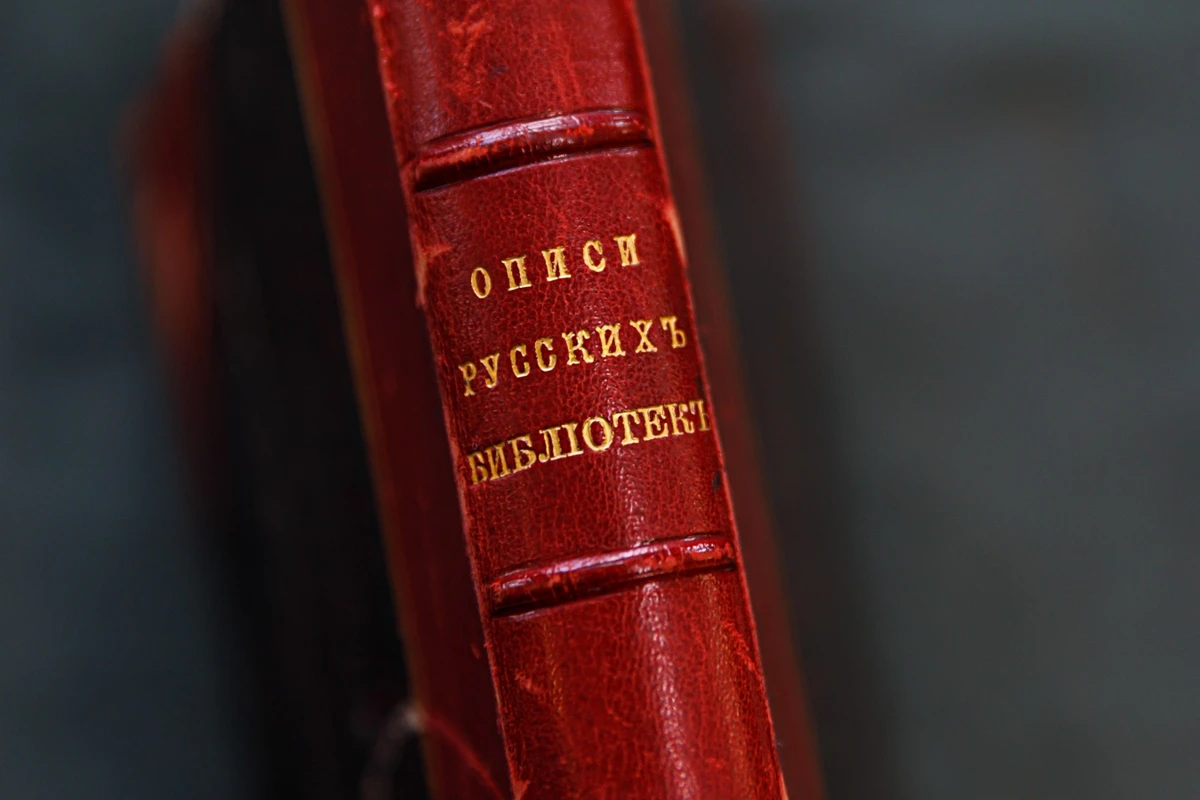
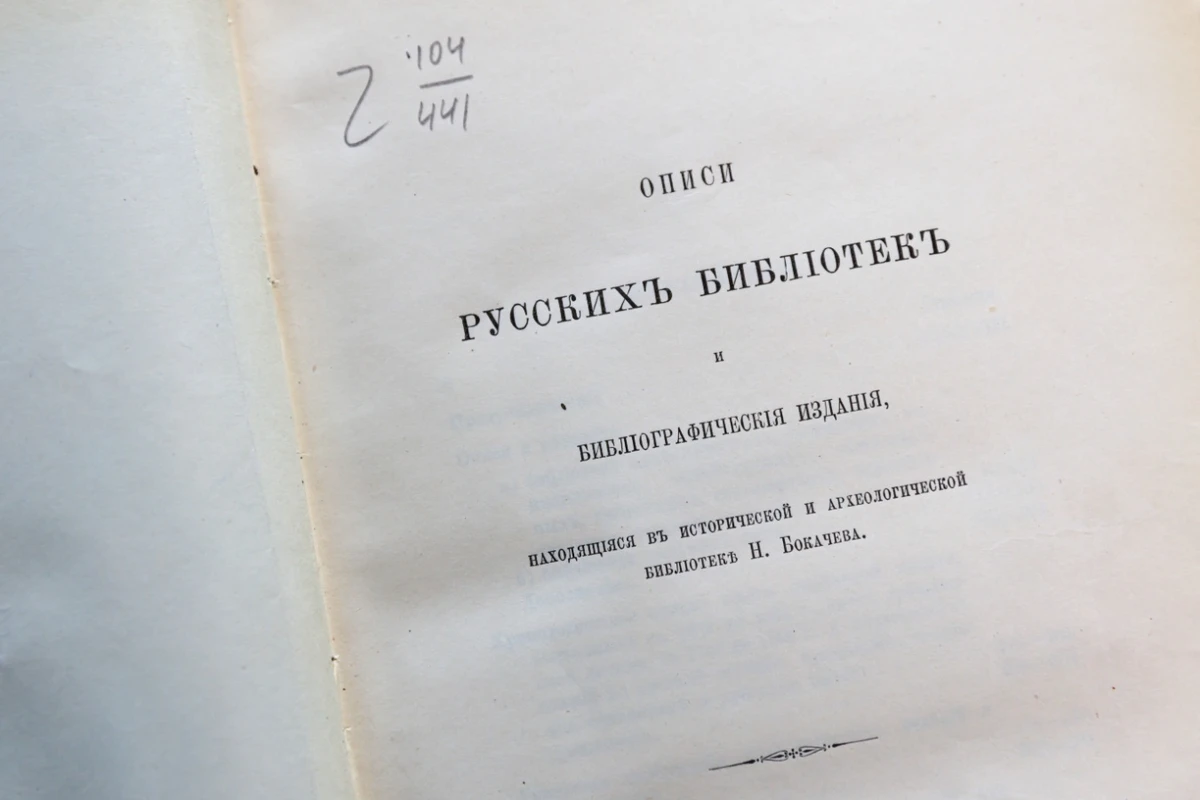
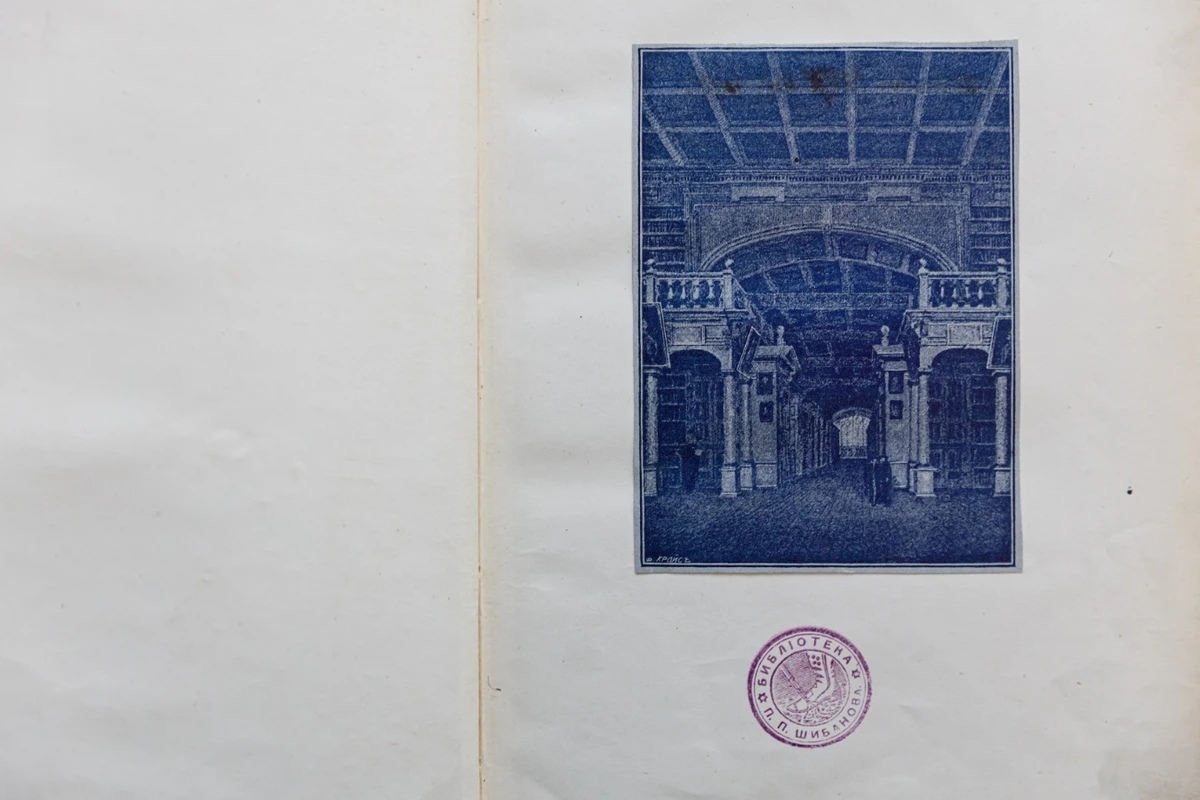
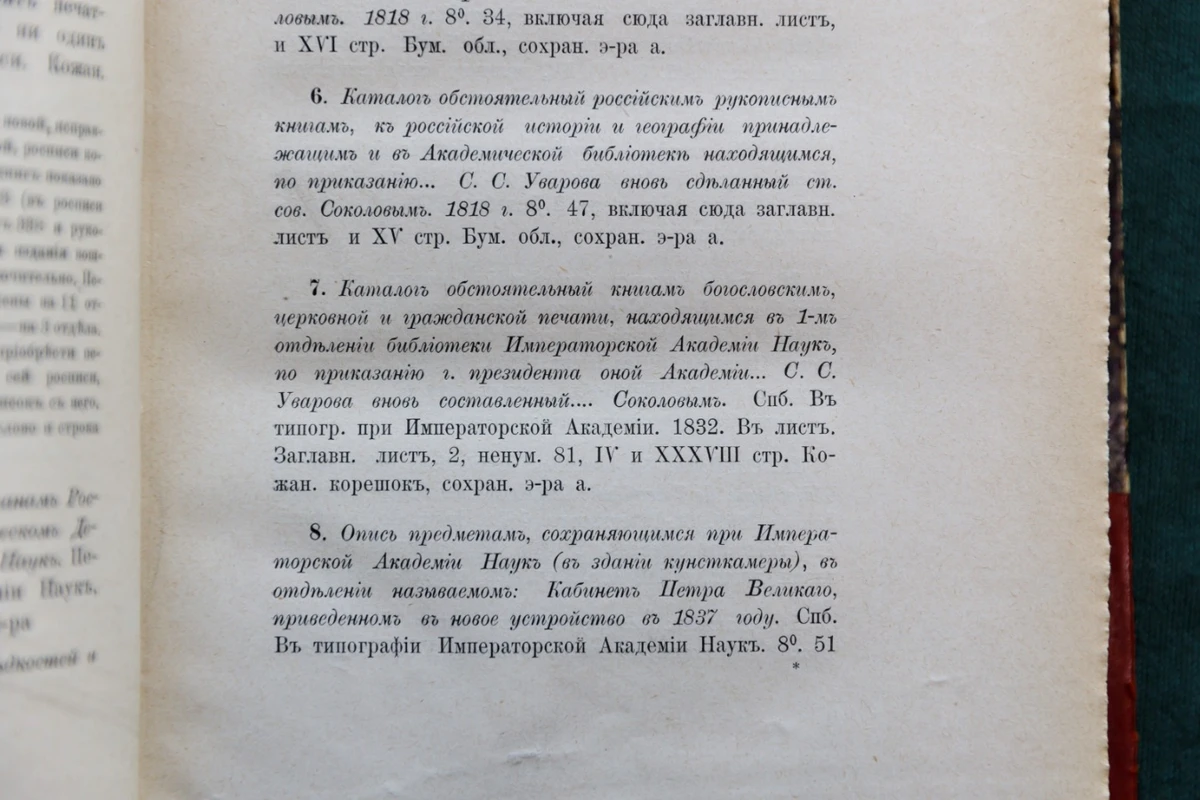
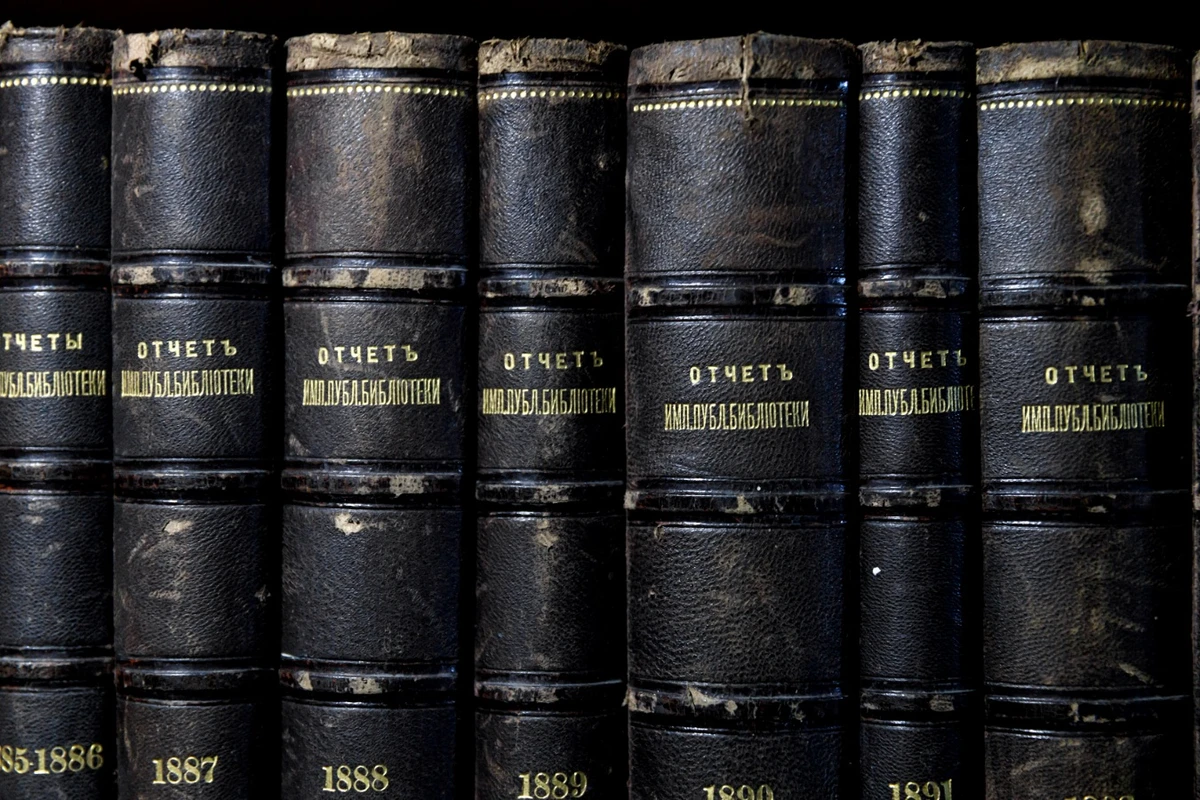
The collection consists primarily of 19th- and early 20th‑century publications covering history, geography, and librarianship, and includes multi‑volume reports from the Imperial Public Library spanning various years. Traces of previous ownership, such as inscriptions and gift dedications, remain in many of the volumes. One of the most notable items is a large copy of the «Inventory of Russian Libraries…» which bears a bookplate reading «Library of P. P. Shibanov». Together, these books serve as a testament to an individual and an entire era in the history of Russian book culture.
The Society of Russian Physicians Collection
In 1858, the Society of Russian Physicians, a professional association of medical practitioners and researchers dedicated to the advancement of medicine in Russia, was founded in Moscow. Over the course of several decades, the Society built up a library; its members utilised these books in their professional work and contributed new publications to the collection. Gradually, a collection took shape that reflected the development of medical science within the country. Following the revolution, the collection was nationalised and transferred to the Rumyantsev Museum. The Rumyantsev Museum’s report for the years 1916−1922 mentions a catalogue of the Society’s holdings, which listed approximately 50,000 items.
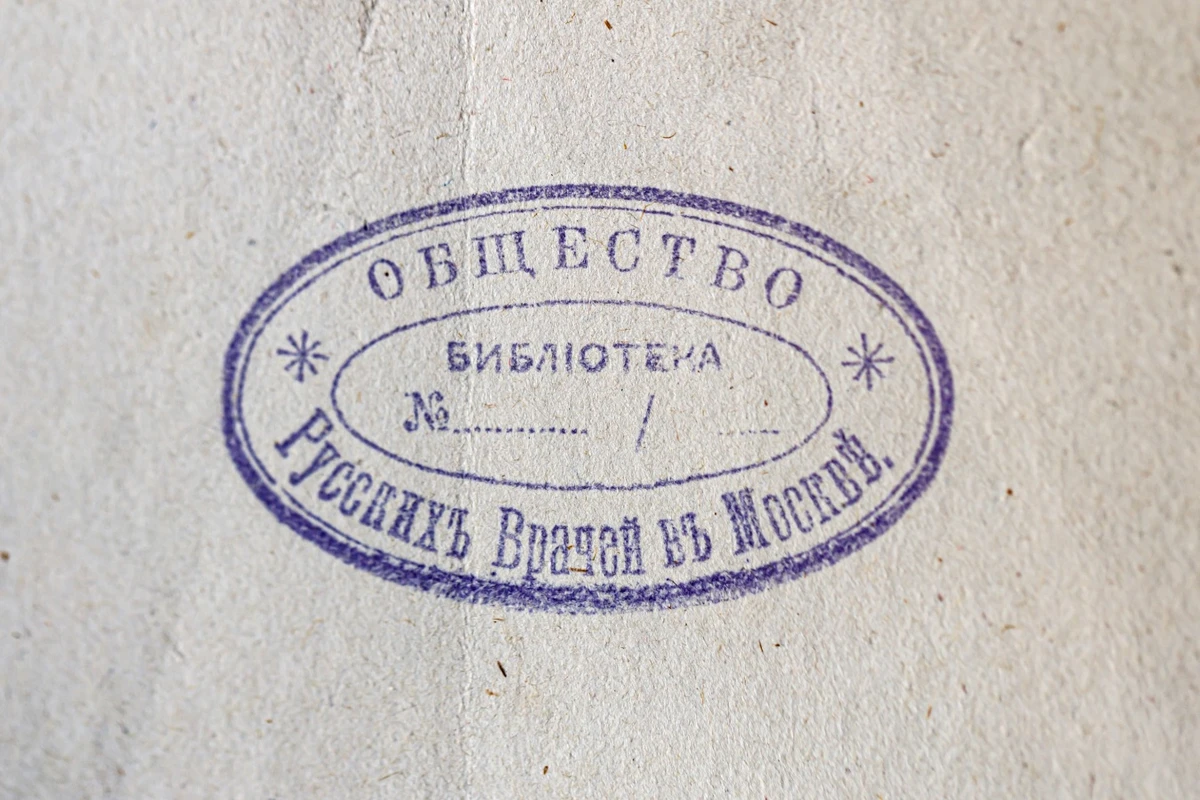
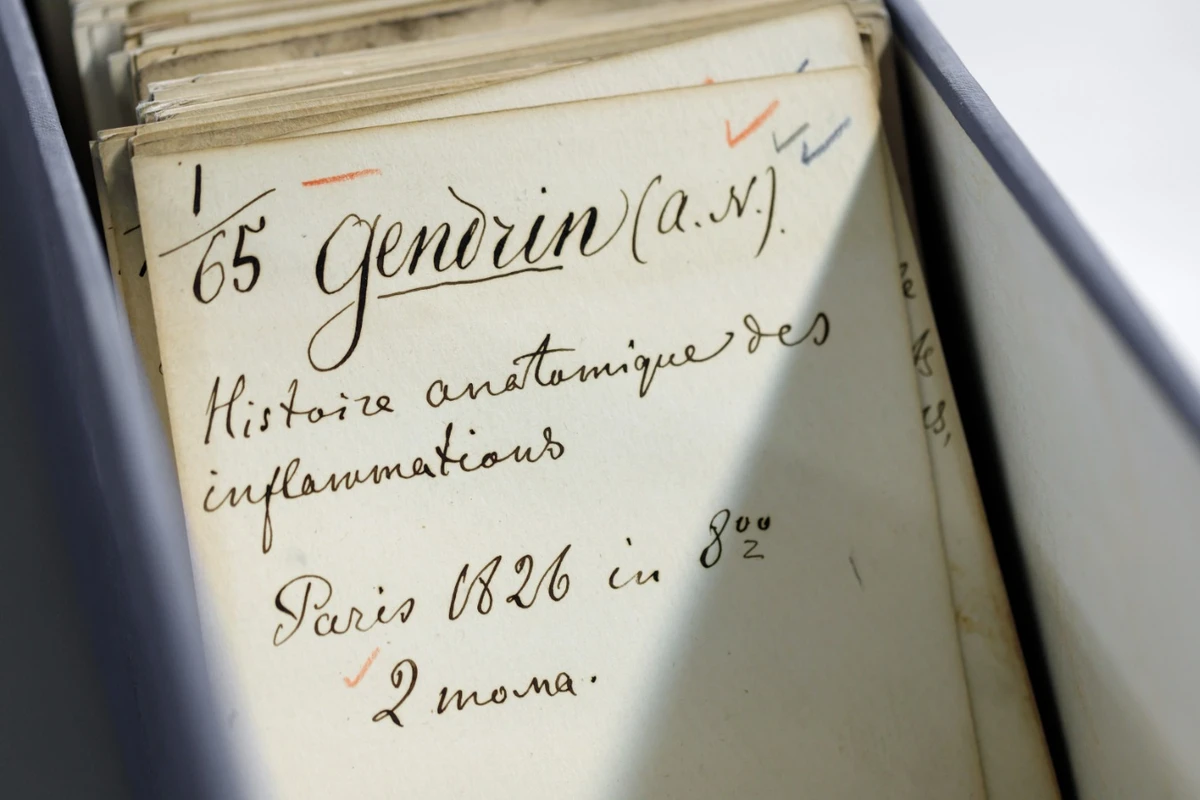
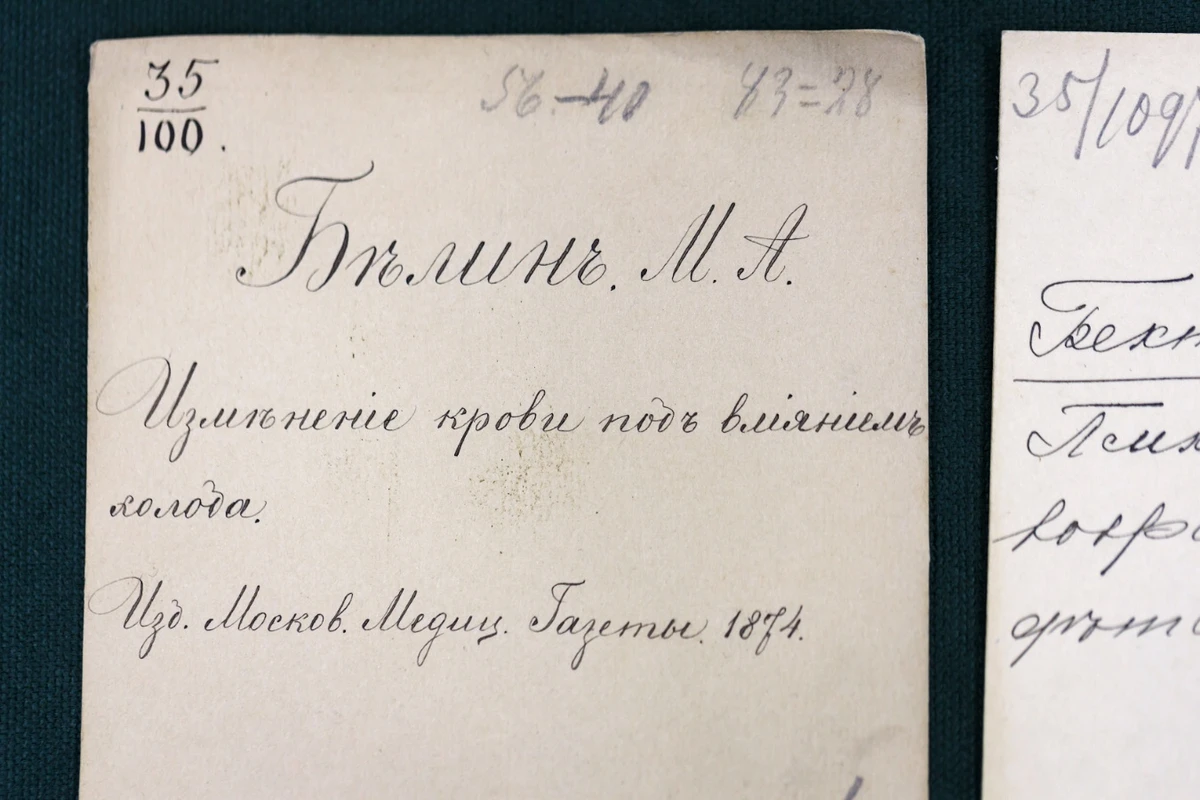
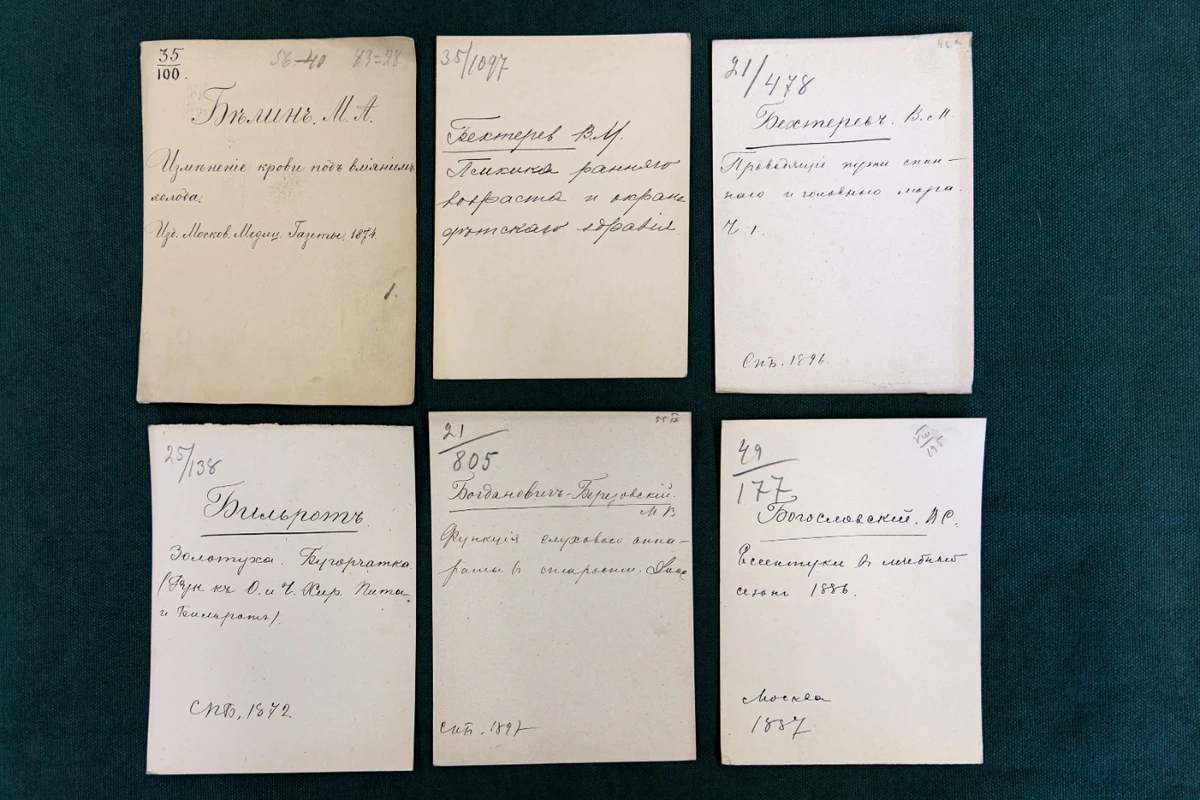
Today, the books from this collection are housed in the main collection of the RSL. Many of them bear the bookplate «Library of the Society of Russian Physicians», which confirms that they once belonged to this professional association. Along with the collection, the library also acquired handwritten catalogues, index cards filled with elegant, neat penmanship. These are currently being sorted, systematised, and studied. The catalogue itself has become an invaluable archival resource, one that makes it possible to reconstruct the history and contents of a scientific community’s collection from the 19th and early 20th centuries.
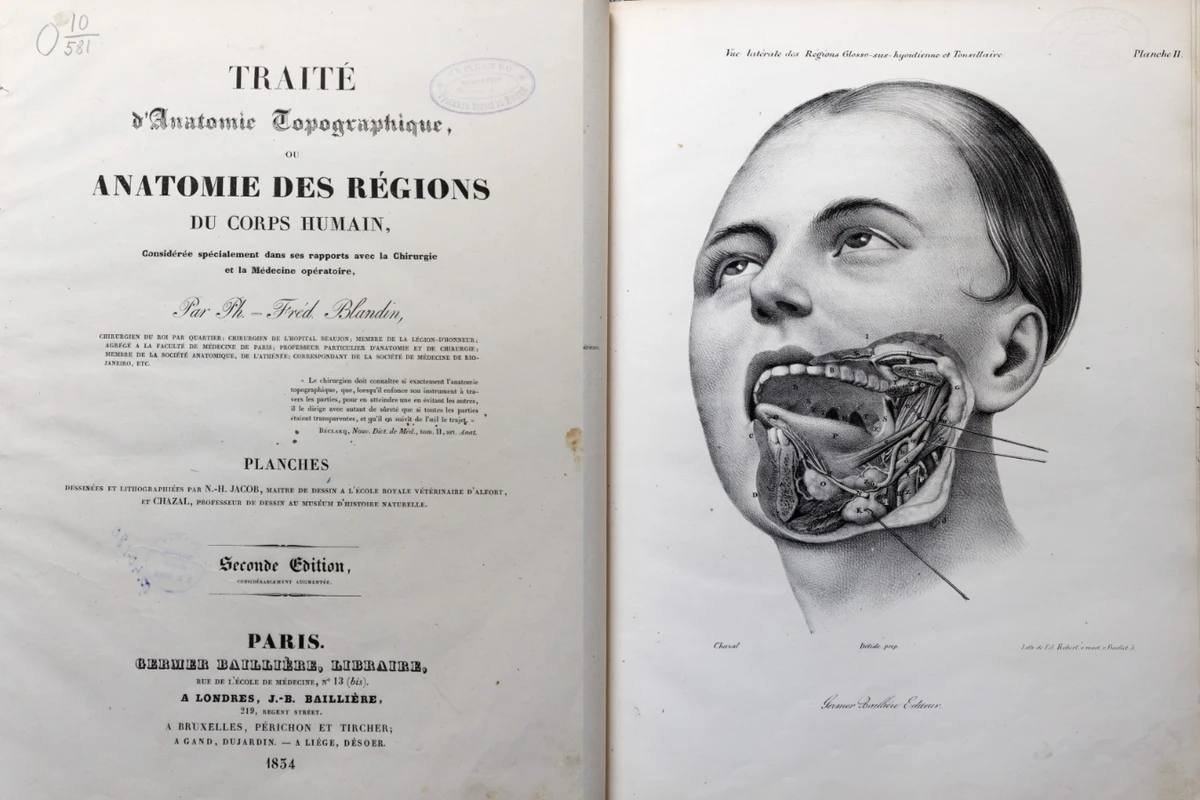
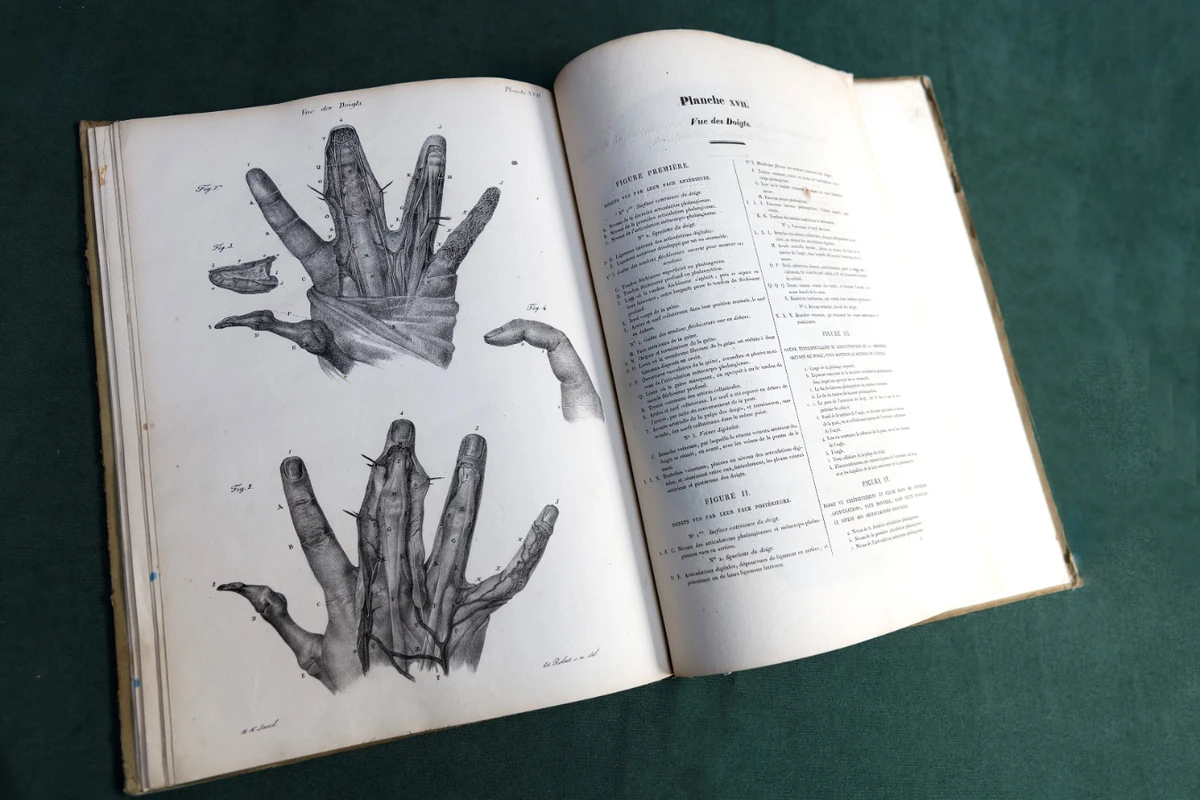
Among the books that once belonged to the Society of Russian Physicians, there are volumes that remain striking even today, not only for their content but also for their visual elements. A prime example is «Outline of Topographical Anatomy» by Philippe‑Frédéric Blandin, written in French. This anatomical atlas features an impressive dental engraving: a cross‑section of a human face and jaw. The artistic skill with which the book’s illustrations were executed renders them both scientific documents and, simultaneously, works of graphic art.
In previous articles, we have already covered the structure of the main collections department, traced the journey of a book from the moment it is ordered until it reaches the reader, and explored the functions of the department’s three sectors; today, we have looked at personal collections. Next time, we will discuss how the library built its holdings—introducing you to collections such as Russian Literature Abroad, Special Storage, Newspapers, Public State and Regulatory Publications, Microforms, and Materials Processed in Groups.
Material prepared by
Natalya Kopylova, chief curator of the Department of Main Collections at the Russian State Library,
Maria Govtvan, photo editor at the Russian State Library
Publications mentioned in the text
Jules Pelouze Atlas of Chemistry — available for ordering: shelf code S 10/277
Illustration and Description of Poisonous Plants of Germany… — available for ordering: shelf code S 4/35
De monstris — available for ordering: shelf code J 18/175
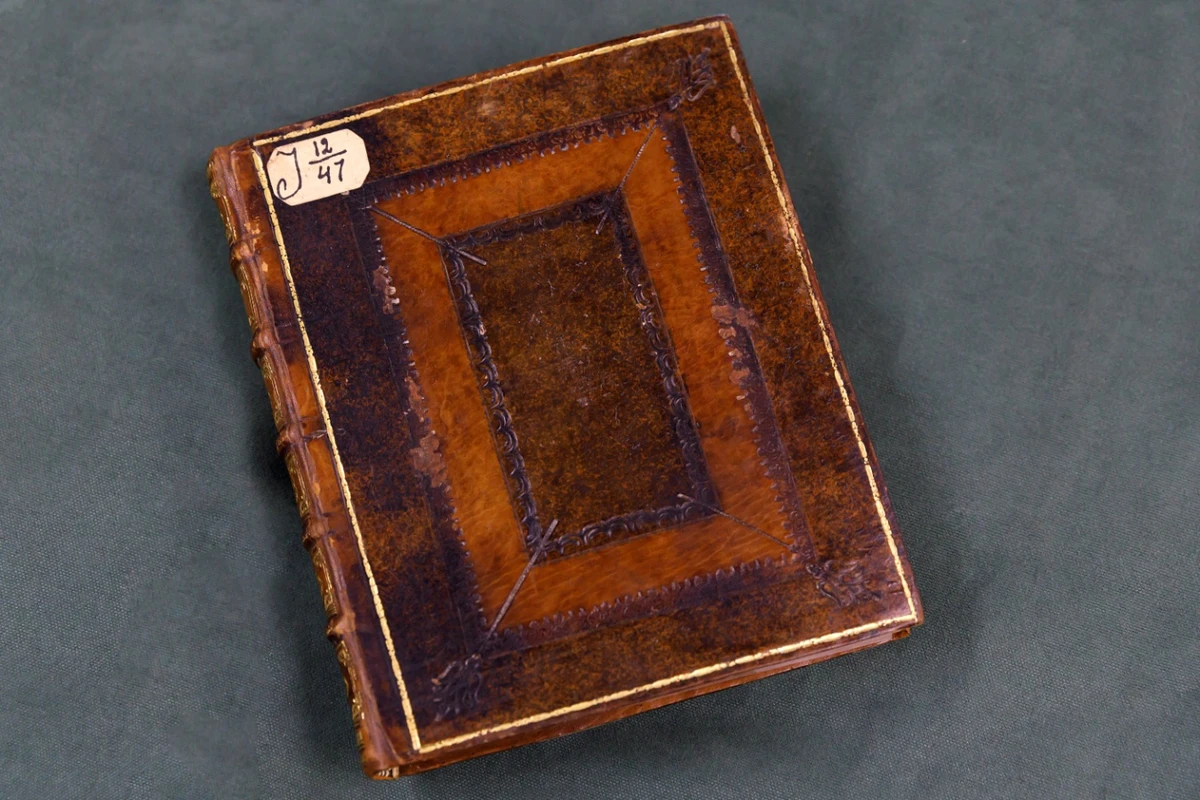
Elephantographia curiosa — available for ordering: shelf code J 12/47
Musicus αυτοδίδακιος — available for ordering: shelf code J 18/57
The Three Kingdoms of Nature: Animal Kingdom — available for ordering: shelf code N 22/90
Cetaceans, or Whales — available for ordering: shelf code N 22/41
The Trotter: Its Conditioning, Training, and Preparation for a Race — available for ordering: shelf code N 22/123
A Voyage towards the South Pole and Round the World … — available for ordering: shelf code D 3/21
A Concept of English Poetry, or Translations of the Best English Poets — available for ordering: shelf code D 8/75
A History of Various Slavic Peoples—Most Notably the Bulgarians, Croats, and Serbs — available for reading (another copy has been digitised); available for ordering: shelf code Zg 67/274
The works of Seneca in French translation — available for ordering: shelf code Zg 73/26
Pocketbook for Those Beginning to Hunt with a Shotgun and a Pointing Dog — available for reading: shelf code Mm 1/20
Zoogeographical Atlas — available for reading: shelf code Z 30/26
Reference work Game and Commercial Birds of European Russia and the Caucasus — available for reading (the first of three volumes is available): shelf code Рб 1/411
Historical Guide to Moscow — available for reading (another copy has been digitised); available for ordering: shelf code Кл 80/107
Moscow Engravings by the artist A. Iglin — available for ordering: shelf code Кл 79/223
Vanishing Moscow — available for ordering: shelf code Кл 80/233
Ostankino — available for ordering: shelf code Кл 80/197
Reports from the Imperial Public Library — available for ordering
Inventories of Russian Libraries… — available for ordering: shelf code Z104/441
An Outline of Topographical Anatomy — available for ordering: shelf code O 10/581